
Creative DIY Lights

✨ Updated July 2026 — reviewed for accuracy and freshness.
Decorative lights only look good when the room around them is lit properly, and that is a matter of layers and colour temperature rather than fixtures. Below the projects we explain the three layers every room needs, what the Kelvin number on a bulb box means, which rooms suit warm light and which suit neutral, and why some LEDs flicker on a dimmer.
Key Takeaways
- Layer three kinds of light — ambient to fill, task where you work, accent for depth.
- Warm white sits around 2700K — best for living rooms, bedrooms and evening dining.
- Neutral white runs 3500K to 4000K — better in kitchens, bathrooms and utility rooms.
- Dimming needs matched parts — the bulb must be marked dimmable for its switch type.
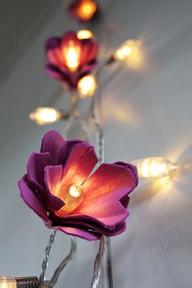 Mason Jar Lights
Cut the glow sticks and shake it mason jar and you have your fabulous lanterns light ready. Link
Mason Jar Lights
Cut the glow sticks and shake it mason jar and you have your fabulous lanterns light ready. Link
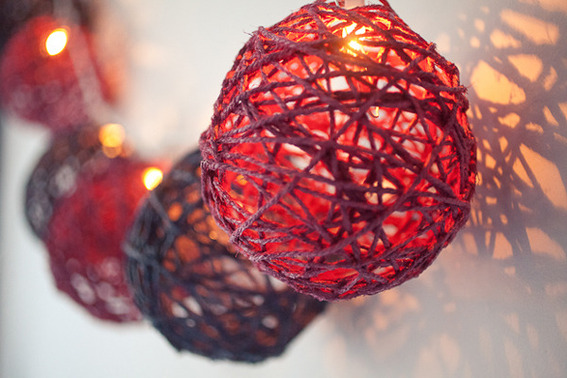
 Twine Ball Light
Yarn dipped in glue and wrapped around balloons is an inexpensive way to brighten up your outdoors. You can put them together in a basket or make a garland as it suits you. Link
Twine Ball Light
Yarn dipped in glue and wrapped around balloons is an inexpensive way to brighten up your outdoors. You can put them together in a basket or make a garland as it suits you. Link

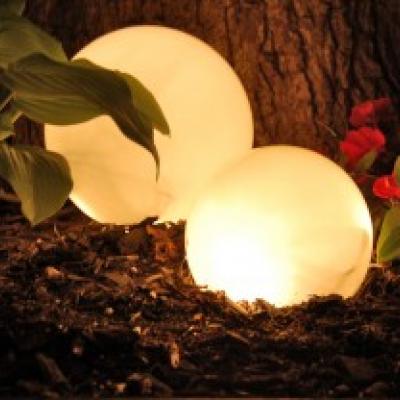
 Glowing Orbs
What better way to lighten up every corner of the house. Link
Glowing Orbs
What better way to lighten up every corner of the house. Link
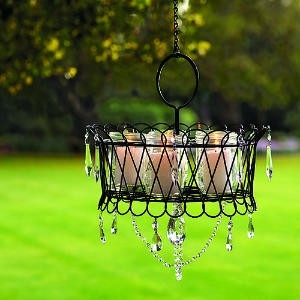
 Outdoor Chandelier
Mason jars are available for a dime and can be used to make a beautiful chandelier for your porch. Follow the link to create yours now.
Outdoor Chandelier
Mason jars are available for a dime and can be used to make a beautiful chandelier for your porch. Follow the link to create yours now.
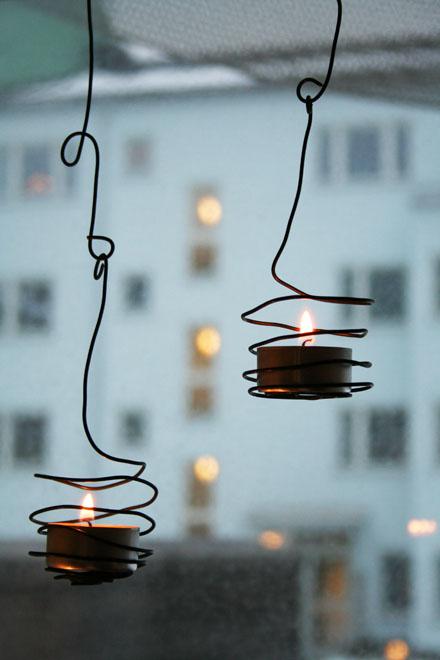
 Rustic Lights
Simple rustic hangers which you can put together in little time.
Rustic Lights
Simple rustic hangers which you can put together in little time.
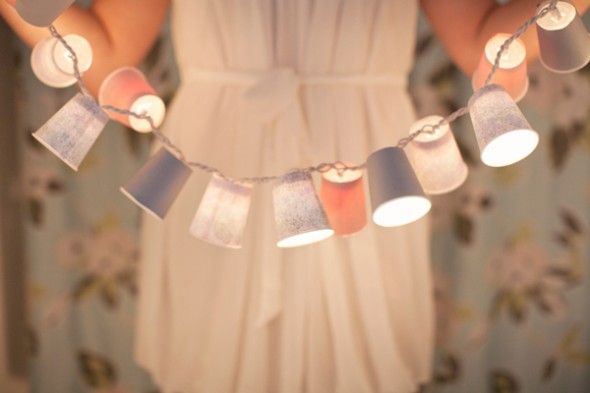
 Cup Garland
Simple, elegant and somewhat feminine this cup garland is perfect for any outdoor celebration. Link
Cup Garland
Simple, elegant and somewhat feminine this cup garland is perfect for any outdoor celebration. Link
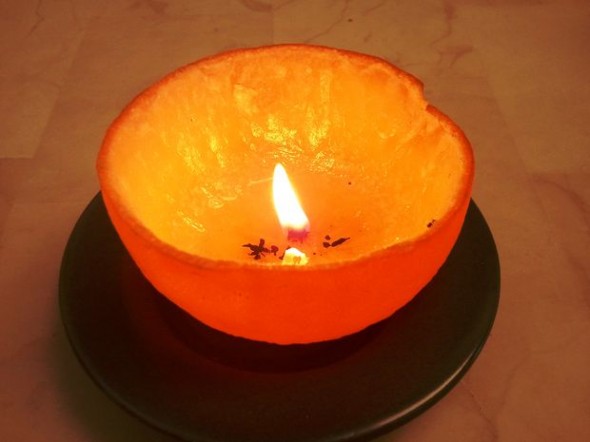
 Orange Candles
Natural fragrance of citrus combined with lights, isn't that the best way to use left over orange peel. Link
Orange Candles
Natural fragrance of citrus combined with lights, isn't that the best way to use left over orange peel. Link
 Sparkle Mirror Garland
Bored of old color lights try this winter sparkle mirror garland, easy to make and easy on budget. Link
Sparkle Mirror Garland
Bored of old color lights try this winter sparkle mirror garland, easy to make and easy on budget. Link

Layered Lighting and Colour Temperature, Room by Room
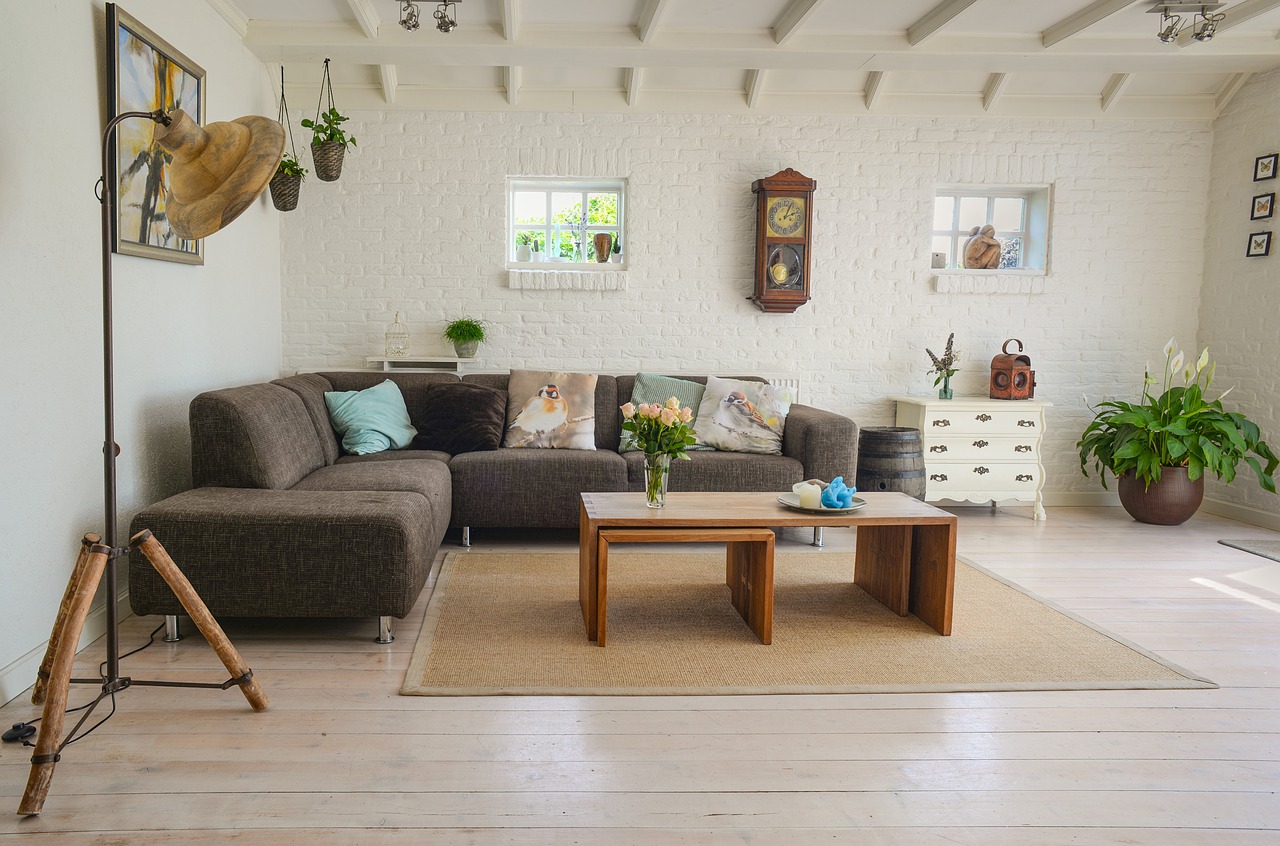
A single ceiling fixture flattens a room: one source at one height gives one quality of light and no shadows worth having. Think in three layers instead. Ambient light is the general fill — a ceiling fitting, or sconces bouncing light off the ceiling. Task light lands where your hands are: a reading lamp by the chair, a strip under the kitchen cabinets, lights either side of a mirror. Accent light creates depth — a picture light, a string of small lamps, candles, an uplight behind a plant. Three or more sources at different heights is a reasonable target for a living room.
Colour temperature is measured in Kelvin, and the counterintuitive part is that a lower number means warmer light while a higher number means whiter and bluer. Roughly: 2200 to 2400K is candlelit, 2700K is standard warm white and closest to the old incandescent look, 3000K is soft white and crisper, 3500 to 4000K is neutral, and 5000K and above reads as daylight or clinical.
Room by room, warm wins where you relax and neutral wins where you work. Living rooms, bedrooms and dining rooms sit happily at 2700K. Kitchen worktops and bathroom mirrors do better at 3000 to 4000K, where you can judge colour on food and on your own face. Laundry rooms and workshops can go to 4000K without feeling cold, and outdoors it pays to stay warm at 2200 to 2700K with the output low and shielded. One rule holds everywhere: keep the temperature consistent within a single sightline, because a 2700K lamp next to a 4000K one looks like a mistake. Where colour accuracy matters, choose a bulb rated CRI 90 or above.
Dimming is where DIY lighting most often disappoints. An LED must be marked dimmable and paired with a dimmer designed for LED loads, or you get buzzing, flicker and a switch that dies a third of the way down. Dimming a standard LED lowers the brightness without warming the colour; if you want candlelit-at-low-level, you specifically need a bulb labelled dim-to-warm. Put ambient light on dimmers and leave task lighting at full.
On safety: use fittings and cords rated for where they will live, including a damp or wet rating outdoors, and never run indoor string lights outside. Respect the maximum wattage marked on a fixture, do not daisy-chain strings past the manufacturer's stated limit, and keep paper, fabric or foliage at the clearance the fixture specifies, since material against a hot lamp is a heat and fire risk. Wiring and any hardwired fixture should follow the fixture's rating and your local electrical codes — use a licensed electrician for anything beyond plug-in.
Frequently Asked Questions
What does 2700K mean on a light bulb box?
It is the colour temperature in Kelvin, and 2700K is warm white — the closest match to the yellowish glow of old incandescent bulbs. Lower numbers look warmer and more amber, higher numbers look whiter and cooler.
How many light sources should a living room have?
Aim for at least three at different heights, covering ambient fill, task light where you read or work, and accent light for depth. One central ceiling fixture on its own gives you flat, shadowless light.
Why do my LED bulbs flicker or buzz when dimmed?
Either the bulb is not marked dimmable, or the dimmer was designed for incandescent loads rather than LED. Matching a dimmable LED to an LED-compatible dimmer fixes most flicker, buzz and limited-range problems.
Should every room in the house use the same colour temperature?
Not every room, but every sightline. Warm 2700K suits living rooms and bedrooms while 3000 to 4000K works better over kitchen worktops, and the only real error is mixing two temperatures where you can see both at once.
What colour light is best for a bathroom mirror?
Something in the 3000 to 4000K range, positioned either side of the mirror rather than directly overhead. That gives even light on the face with enough neutrality to judge colour, without the clinical feel of daylight-white bulbs.
Related Posts



Comments (0)
No comments yet. Be the first to comment!