
Creative Window Decals - Decorating Windows

✨ Updated July 2026 — reviewed for accuracy and freshness.
Decals and window film do something blinds cannot: they change what a window shows without taking away the daylight. Below the gallery we look at how frosted film buys privacy while still passing light, why preparation is most of a clean application, which types come off without a trace in a rental, and how sun exposure shortens their life.
Key Takeaways
- Frosted film buys privacy without darkness — it blurs the view and still passes daylight.
- Clean glass is most of the job — dust or grease trapped underneath shows as a permanent flaw.
- Static cling peels off cleanly — the sensible choice when you cannot alter the window.
- Sunny glass fades colour — bright decals on south-facing panes soften after a few seasons.
Brighten up your windows with these beautiful tulip decals, a bit of springtime always on your window. Link
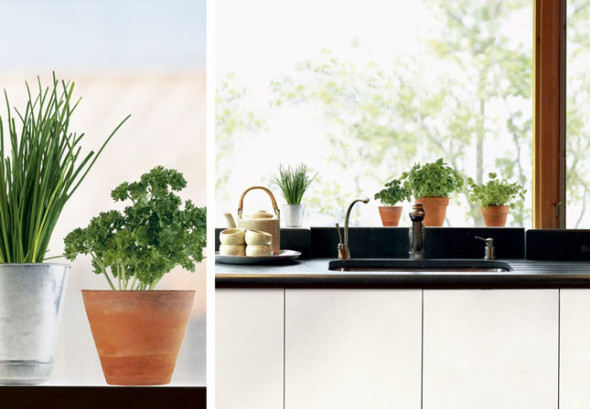
 Potted plants is a great idea on window sill but you are not that dedicated to maintaining the plants, here is a smart way to have a greenery on kitchen window sill without any effort. View on Amazon
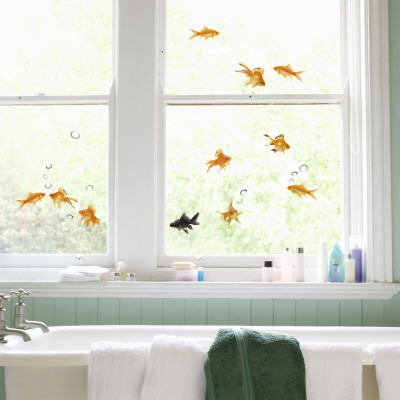
Fish in the bowl is a great idea to bond with pets, but fishes on window is a surprising element. Link
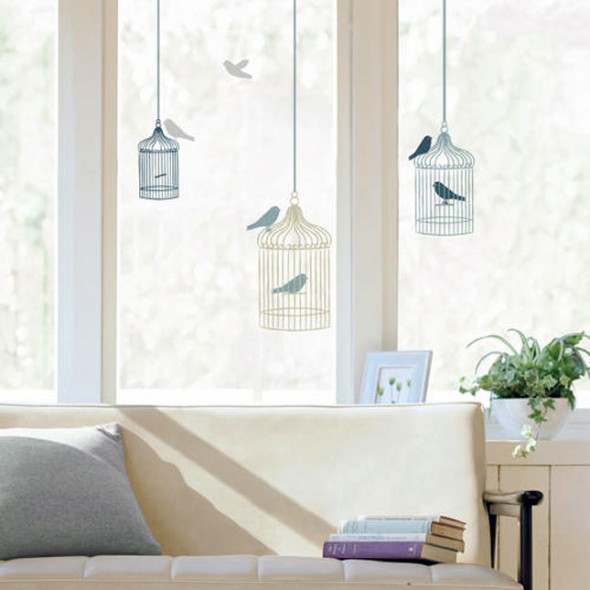
Bring outdoors right on your window with these elegant and sweet birdcage window decal.
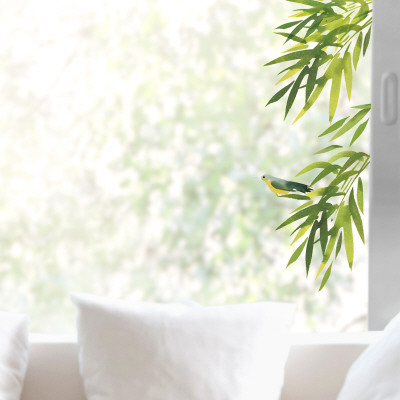
Don't want to cover the whole window, then this beautiful bird on the window is perfect for the living or study room. Link
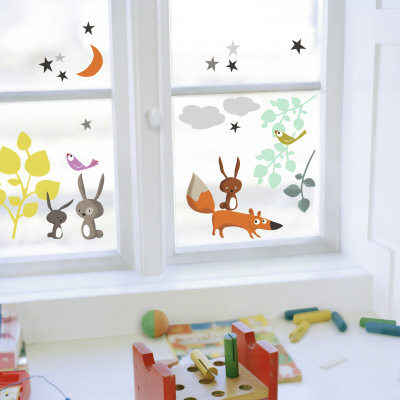
Window decals are perfect for kids room, along with other elements these colorful decals adds to the cuteness of the room. Link
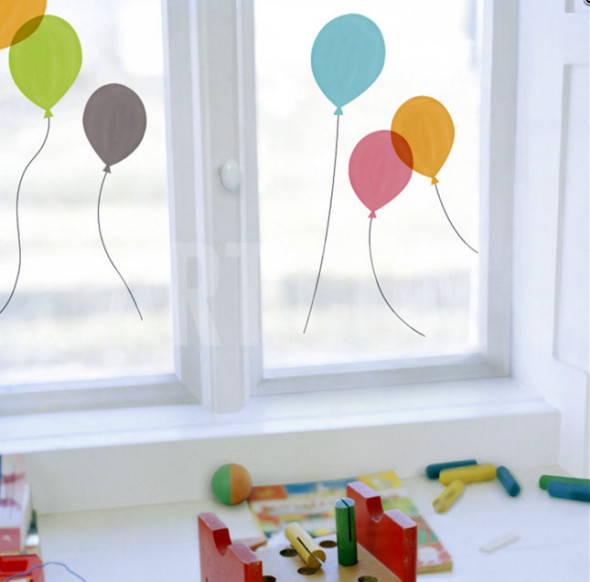
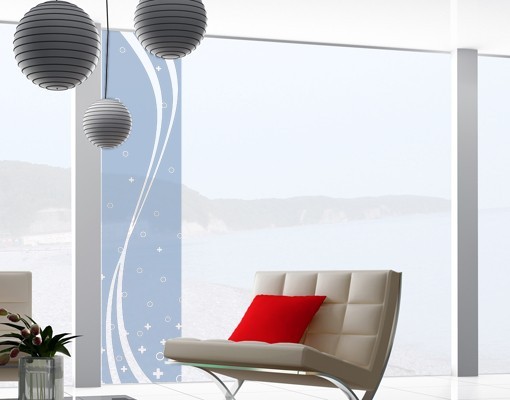
Create a mesmerizing effect in the living room with broad windows, add a elegant and whimsical effect to the room with this Air window decal. Link
Also Check Out: Creative Window Blinds
Privacy, Light and Getting Film onto Glass Cleanly
It helps to separate the two things. A decal is a shaped motif that decorates the pane and leaves most of the glass clear. A film is a full-pane sheet — frosted, patterned, gradient, or made to imitate reeded glass. Both come in two attachment types: self-adhesive vinyl, which bonds properly and lasts longer, and static cling, which has no adhesive and holds by suction against smooth glass. Cling is repositionable, storable and the sensible default for a rental, and it works on shower screens too.
For privacy, frosted film is the useful option, because it diffuses light rather than blocking it: shapes beyond the glass become unreadable while most of the daylight still comes through, which is the trade a blind cannot make. A practical version is to film only the bottom half or two-thirds of the pane, so you keep the sky and the light but nobody sees in at eye level. One distinction matters: mirrored film is one-way only in daylight, and after dark with the lights on inside the effect reverses and you become the visible side. Frosted film obscures in both directions at any hour, which is why it suits a bathroom or ground-floor room.
Application is mostly preparation. Wash the pane with a squeegee and mild soapy water, lift off paint flecks with a blade held almost flat, dry the frame edges, then wet the glass again. Both cling and self-adhesive film go on wet: spray, peel, position, then squeegee from the centre outward to push water and air to the edges. Cut the film about an inch oversize and trim against the frame with a fresh blade. Work out of direct sun, since hot glass makes film grab and crease before you can straighten it.
Removal is why renters like this approach. Cling lifts off with nothing left behind and stores flat on its backing sheet for reuse. Adhesive vinyl also comes away: warm it with a hairdryer on low, lift a corner slowly, and clear any glue haze with isopropyl alcohol. Check your lease before applying a permanent film, and check the glazing warranty before putting metallised solar film on a double-glazed unit, since some makers exclude it on thermal stress grounds.
Sun exposure decides how long any of it lasts. South and west-facing glass takes the most heat and ultraviolet, so printed colours fade and thinner vinyl can grow brittle and shrink at the edges. Strong reds and blues usually go first, while neutral frosts hold up longest. Clean with a soft cloth and mild soapy water, avoid ammonia-based cleaners and abrasive pads, and never run a squeegee blade along a film edge.
Frequently Asked Questions
Do window decals block the light?
A shaped decal covers only part of the pane, so it barely changes the light level. Frosted or etched film covers the whole pane but diffuses rather than blocks, so the room stays bright while the view through it becomes unreadable.
Will window film damage the glass or leave residue?
Static cling film has no adhesive and lifts off with nothing left behind. Self-adhesive vinyl comes away too if you warm it gently first, and any remaining haze wipes off with isopropyl alcohol or an adhesive remover.
How do you get bubbles out of window film?
Apply it wet and squeegee firmly from the centre outward so water and air have somewhere to go. Trapped dust cannot be squeegeed out, which is why washing and scraping the glass beforehand matters more than the application itself.
Is privacy window film see-through at night?
Mirrored or reflective film only works one way in daylight, and after dark with interior lights on the effect reverses. Frosted or etched film obscures in both directions at all hours, so it is the safer choice for bathrooms and ground-floor windows.
How long do window decals last in direct sun?
On a south or west-facing pane, expect printed colours to fade and edges to lift or shrink within a few seasons. Neutral frosted films last considerably longer, and anything on a north-facing window will outlive the same piece on a hot one.
Related Posts

Comments (0)
No comments yet. Be the first to comment!