
Decorative Pots and Planters

✨ Updated July 2026 — reviewed for accuracy and freshness.
A pot is a growing environment before it is an ornament, and the two things that decide whether a plant thrives in it are drainage and the material it is made from. Below the gallery we cover why holes are non-negotiable, how terracotta, glazed ceramic, plastic and metal each change your watering rhythm, how much bigger a new pot should be, and what to do about saucers indoors.
Key Takeaways
- Drainage holes come first — without them the roots sit in water and eventually rot.
- Material sets the watering rhythm — terracotta dries fast, glazed and plastic hold moisture.
- Size up by an inch or two — a pot far too large keeps the mix wet for too long.
- Indoors, use a saucer — and empty it rather than letting the pot stand in runoff.
When it comes to gardening, no one can deny the importance of pots and planters, they consume lot of space and can add to the beauty of the garden. You can easily get decorative pots from the market or online but sometimes they cost a fortune. Using the several pots in a similar color, material and style can easily showcase a varied plant collection, be sure of the material along with the design as its all about growing plants. Using decorative pieces in the garden whether indoor or outdoor will add to the charm, here are some ideas for decorative pots and planters.
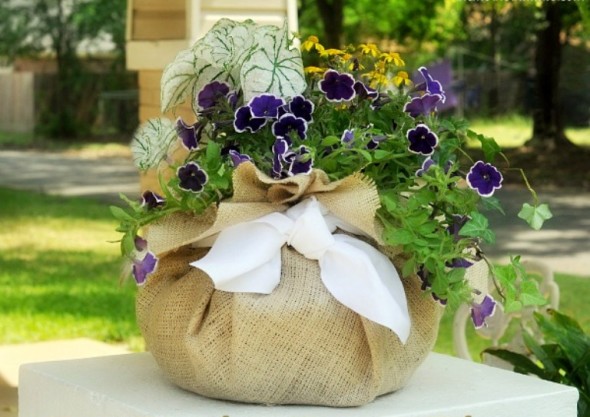
Burlap Fabric Planter
So rustic and amazing, this burlap wrapped flowers pot will be perfect gift for your dear ones. Pic Courtesy
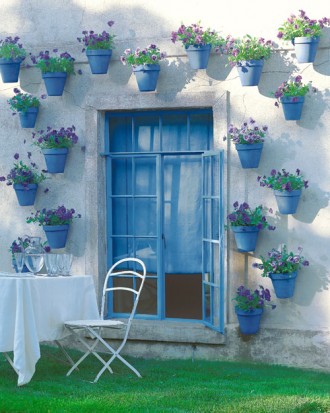
Pigment- Dyed Pots
Give a new life to your old pots, use dark clay vessels for an artisan look. Pic Courtesy
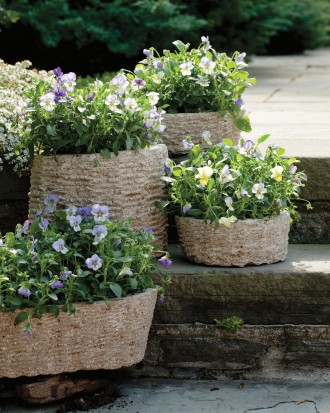
Wicker- Basket Pots
Give your pots a perfect ribbed pattern that contrasts with wicker baskets. Give your garden a rustic look. Pic Courtesy
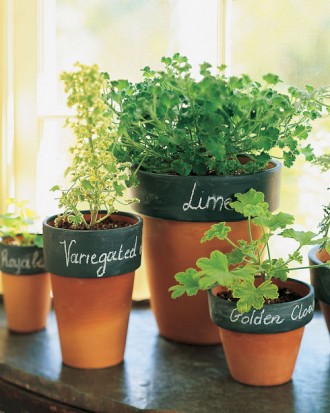
Chalkboard Pots
Identify homegrown kitchen herbs, by painting the collars of clay pots with stripes of chalkboard paint. The chalkboard stripe will wipe clean with a damp cloth. Pic Courtesy
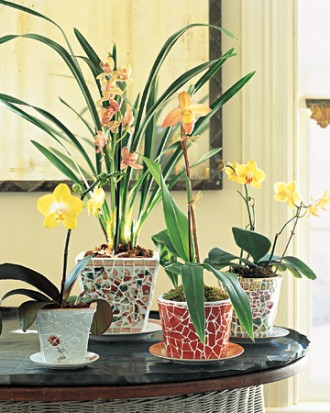
Patterned Pots
A coat of vibrant color can lend a pop of color to your porch or patio. Add height and structure to your garden with tired pots and planters. Pic Courtesy
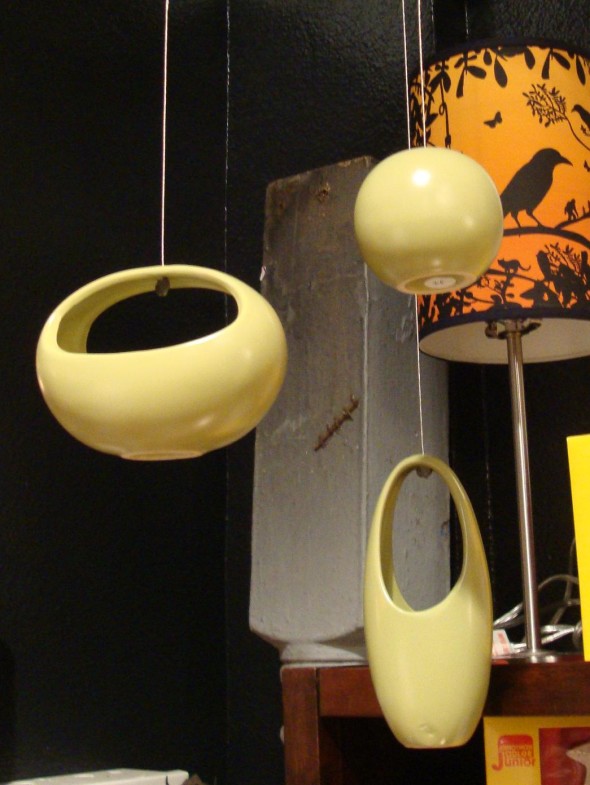
Hanging Planters
Circular hanging planter bring some additional decoration look to indoor garden. It will bring a contemporary look to the space. Pic Courtesy
Drainage, Material and Getting the Pot Size Right
Drainage is the first question to ask about any container, however good it looks. Water has to be able to leave, because roots need air as well as moisture, and a pot without holes leaves them standing in water until they rot. If you have fallen for a sealed pot, use it as a cachepot: keep the plant in a nursery pot with holes and drop that inside. Otherwise drill the base slowly, with a masonry bit and water to keep ceramic cool, and cover the hole with a shard or a square of mesh so mix does not wash out.
Material then sets the watering rhythm, which is why one plant behaves differently in two same-sized pots. Unglazed terracotta is porous and loses moisture through its walls, so it dries fastest and suits succulents, herbs and pelargoniums, though it can crack if left full of wet soil through a hard freeze. Glazed ceramic is sealed, holds moisture far longer and is heavy enough to stay put in wind. Plastic and fibreglass are light and retain moisture but fade in strong sun. Concrete insulates roots and is excellent in exposed spots. Metal conducts heat and can cook roots in full sun, so line it.
Size the pot to the root ball, not to the height of the foliage. When repotting, go up about one to two inches in diameter for a small houseplant and two to four for a larger one, leaving roughly an inch of fresh mix around the root ball and an inch of clear space below the rim so watering does not flood over. A pot much too big holds more wet mix than the roots can use, which invites rot; one too small dries out within hours and sends roots circling. Move up when roots emerge from the drainage hole, water runs straight through, or the plant tips over.
Use a potting mix rather than garden soil, which compacts once confined, and refresh or top-dress it each year. Check the weight before filling something bound for a balcony or a shelf, since a large glazed pot of wet mix is a two-person lift. Pot feet let water escape and stop the container staining a deck.
Indoors, every pot needs a saucer or a cachepot, and the saucer needs emptying twenty to thirty minutes after watering — leaving a plant standing in its own runoff is the most common way houseplants are killed. Use cork or felt pads underneath, since even glazed saucers sweat. A white crust on terracotta is soluble salts from feed and tap water; scrub it off and flush the pot with plain water occasionally.
Frequently Asked Questions
Do all plant pots need drainage holes?
Any pot the plant actually grows in does, because roots left standing in water rot. A sealed decorative pot can still be used as an outer cachepot, with the plant kept in a nursery pot that has holes and lifted out to water.
Is terracotta or glazed ceramic better for plants?
It depends on the plant's water needs. Unglazed terracotta breathes and dries quickly, which suits succulents and herbs, while glazed ceramic holds moisture longer and better suits thirstier plants and windy spots where you want weight.
How much bigger should a new pot be when repotting?
Roughly one to two inches larger in diameter for a small houseplant and two to four inches for a bigger one. Jumping several sizes at once surrounds the roots with more wet mix than they can use, which encourages rot.
Should you put rocks in the bottom of a planter?
It does not improve drainage and it costs you root depth, so it is not a fix for a pot without holes. A single shard or a square of mesh over the drainage hole is all you need to stop mix washing out.
How long should a houseplant sit in its saucer after watering?
Twenty to thirty minutes is enough for the mix to take up what it needs, then tip the saucer out. Leaving a pot standing in runoff keeps the lower roots waterlogged and is a very common cause of decline.
Related Posts

Comments (0)
No comments yet. Be the first to comment!