
Tiling Your Bathroom: What to Think About Before You Start

✨ Updated July 2026 — reviewed for accuracy and freshness.
Key Takeaways
- Set a realistic tiling budget first, with wiggle room for surprises behind the walls.
- A pro costs more upfront but often saves money by avoiding costly mistakes.
- Choose water-resistant tile, and pick textured slate or stone underfoot to reduce slips.
- Neutral tile with colorful accessories keeps the room timeless and easy to restyle.
Working out your budget
 As with any home renovation project, you need to work out how much money you can afford to spend. If you do not have a set budget in place, you run the risk of costs spiraling. It’s important to be realistic with your budget; do not overstretch your finances. Remember to include some wiggle room, to allow for unforeseen circumstances.
Hire a professional or do it yourself?
If you have a limited budget, you may be tempted to do the tiling work yourself. It’s certainly possible to do a good job, if you allow yourself plenty of time and do plenty of research, so that you know how to proceed. That being said, if you hire a professional, you could actually save yourself money in the long run. Professionals are less likely to make mistakes, and they can help you work out what type of tile to buy, and where you can get the best deals.Practical requirements
If you are tiling in a bathroom, it’s a good idea to choose tiles which are impervious to water. You also need to think about choosing different materials for different areas of the room. For instance, ceramic or porcelain tiles might be a good choice for the walls, but you may prefer slate tiles for the floor. Slate tiles are durable and they are textured. This means that you are less likely to slip on them.Designs and colours
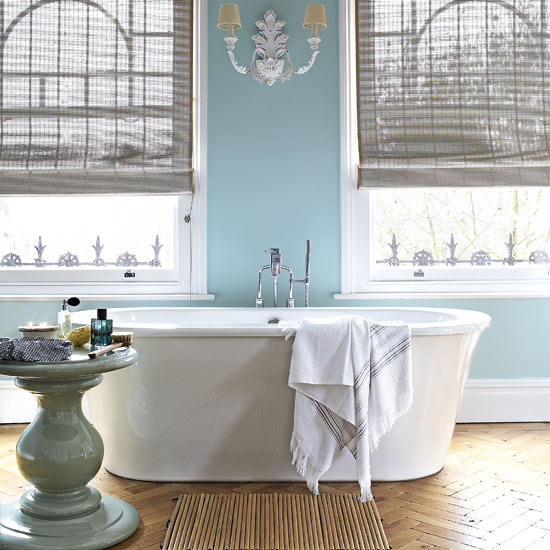 If you want the end result of the tiling work to be successful, you need to think carefully about the tile designs and colours that you choose. Remember, sometimes it’s good to create a timeless bathroom. This is certainly a good idea if you are going to sell your home in the near future. You can opt for neutral colours, or a white theme. If you want to add a touch of your own personality then you could add intermittent bright tiles, or use colourful accessories.
All of these considerations are important, if you are thinking of tiling your bathroom. It’s important to have a realistic budget in place right from the start, as this is the foundation for all the other decisions that you need to make.
If you want the end result of the tiling work to be successful, you need to think carefully about the tile designs and colours that you choose. Remember, sometimes it’s good to create a timeless bathroom. This is certainly a good idea if you are going to sell your home in the near future. You can opt for neutral colours, or a white theme. If you want to add a touch of your own personality then you could add intermittent bright tiles, or use colourful accessories.
All of these considerations are important, if you are thinking of tiling your bathroom. It’s important to have a realistic budget in place right from the start, as this is the foundation for all the other decisions that you need to make.
Frequently Asked Questions
What kind of tile is best for a bathroom?
Porcelain and ceramic are the safest all-around choices because they absorb very little water and wipe clean easily. Save natural stone like slate for floors where you want texture and slip resistance.
Should I tile my bathroom myself or hire a professional?
DIY tiling is doable if you have patience, the right tools, and time to research the process. Hiring a pro costs more upfront but reduces the risk of cracked tile, uneven lines, and water damage you pay to fix later.
How do I keep bathroom floor tile from being slippery?
Look for tile with a textured surface or a higher slip-resistance rating, and use smaller tiles on the floor so the extra grout lines add grip. A washable bath mat by the tub or shower helps too.
How much should I budget for tiling a bathroom?
Cost depends on the tile you choose, the square footage, and whether you hire a professional installer. Price out tile, adhesive, grout, and labor, then add ten to twenty percent for unexpected repairs uncovered mid-project.
Related Posts
House & Land Luxuries - The Benefits of Designing Your Own Home
Steps to Finding the Perfect Rattan Garden Furniture
5 Important Things You Should Do Before Trying to Sell Your Home
Tips To Help You Fall In Love With Your Small Home
The Many Great Benefits Of Installing Folding Arm Awnings Around Your Home.
Comments (0)
No comments yet. Be the first to comment!