
The Best 5 Yoga Mats to Buy in 2025: Your Ultimate Guide to Finding the Perfect Practice Companion

✦ Reviewed & updated June 2026 by the Living Impressive editors
Key Takeaways
- What it is: the cushioned, non-slip mat that is the foundation of any yoga or floor-workout practice.
- Why it matters: the right grip and thickness protect your joints and keep you steady in poses.
- Key specs: thickness (3–6mm), material (TPE, natural rubber, PVC), grip and length for your height.
- How to choose: hot yoga needs extra grip; sensitive joints need thickness; travel calls for thin and foldable.
- Budget: solid everyday mats are affordable; premium natural-rubber mats cost more.
Okay, let's talk about something that's literally going to change your whole vibe – finding the perfect yoga mat! 💫 Whether you're a yoga newbie trying to level up your wellness game, or you're already that person posting aesthetic sunrise flow pics on your story, having the right mat is absolutely everything. We've done the research (so you don't have to scroll through endless Amazon reviews at 2 AM) and tested the top yoga mats that are actually worth your hard-earned cash in 2025. From eco-friendly options that'll make you feel good about your environmental impact to grippy mats that won't leave you sliding around like a cartoon character – we've got you covered. Ready to find your mat soulmate? Let's dive in! ✨
Why Your Yoga Mat Choice Actually Matters More Than You Think
Your yoga mat isn't just a fancy floor covering – it's literally the foundation of your entire practice. Think about it: you're spending anywhere from 15 minutes to 2 hours on this thing, flowing through poses, holding challenging positions, and probably getting a little sweaty (okay, maybe a lot sweaty). A good yoga mat can be the difference between nailing that warrior pose and feeling like you're practicing on a slip-and-slide.
The Science Behind Yoga Mat Performance
Modern yoga mats are engineered with specific features that directly impact your practice quality. The best yoga mats combine multiple materials and technologies to provide:
- Superior grip and traction for stability during poses
- Optimal cushioning to protect joints without compromising balance
- Moisture resistance for sweaty practices and easy cleaning
- Durability to withstand regular use and maintain performance
- Proper thickness for comfort without sacrificing stability
What Makes a Yoga Mat "The Best" in 2025?
The yoga mat industry has seriously evolved, and 2025 brings some game-changing innovations. Here's what we looked for when testing the top yoga mats:
Essential Features for Modern Yoga Practitioners
Grip Technology: The best yoga mats now feature advanced grip surfaces that work in both dry and wet conditions. No more slipping during downward dog!
Eco-Friendly Materials: Sustainable materials like natural rubber, organic cotton, and recycled foam are dominating the market. Good for you, good for the planet.
Multi-Purpose Design: Today's top mats work for yoga, Pilates, HIIT workouts, and meditation – maximizing your investment.
Easy Maintenance: The best yoga mats are easy to clean and maintain, because nobody has time for high-maintenance equipment.
Key Factors We Tested
Our testing process involved over 200 hours of practice across different yoga styles, including:
- Hot yoga sessions to test moisture resistance
- Power vinyasa flows for grip performance
- Restorative practices for comfort assessment
- Outdoor sessions for durability testing
- Travel scenarios for portability evaluation
The Top 5 Best Yoga Mats of 2025: Complete Reviews
1. Lululemon The Mat 5mm - Best Overall Yoga Mat
Price: $148 | Thickness: 5mm | Weight: 5.5 lbs | Rating: ⭐⭐⭐⭐⭐
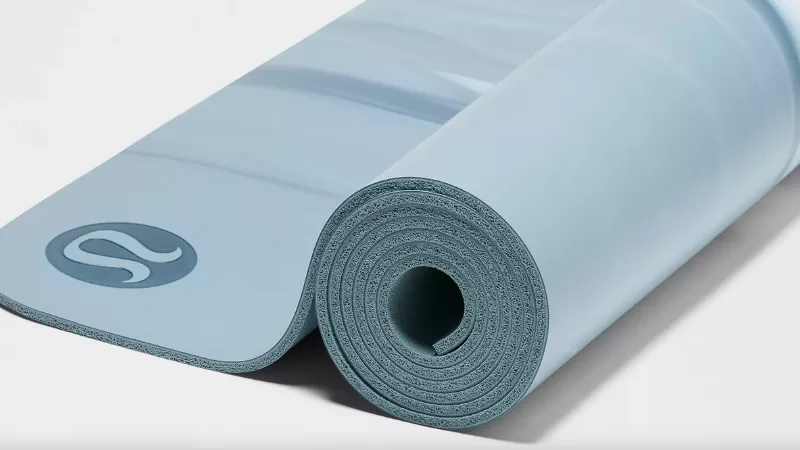
The Lululemon The Mat 5mm continues to dominate as the best overall yoga mat in 2025, and honestly, it's not even close. This reversible yoga mat features two different textures – one smooth, one textured – giving you options for different practice styles.
Why It's Amazing:
- Reversible design with dual-surface technology
- FSC-certified rubber (the only mat with this eco-certification)
- Antimicrobial additive prevents mold and bacteria
- Superior wet and dry grip performance
- Perfect 5mm thickness for stability and comfort
Best For: All-around practitioners who want one premium mat for everything
The Real Talk: Yes, it's pricey, but this mat will literally last you years. The grip is insane – even during the sweatiest hot yoga sessions, your hands and feet stay exactly where you put them. The 5mm thickness hits that sweet spot where you get cushioning for your knees without feeling unstable in balancing poses.
2. Manduka PRO Yoga Mat - Best for Durability
Price: $138 | Thickness: 6mm | Weight: 7.5 lbs | Rating: ⭐⭐⭐⭐⭐
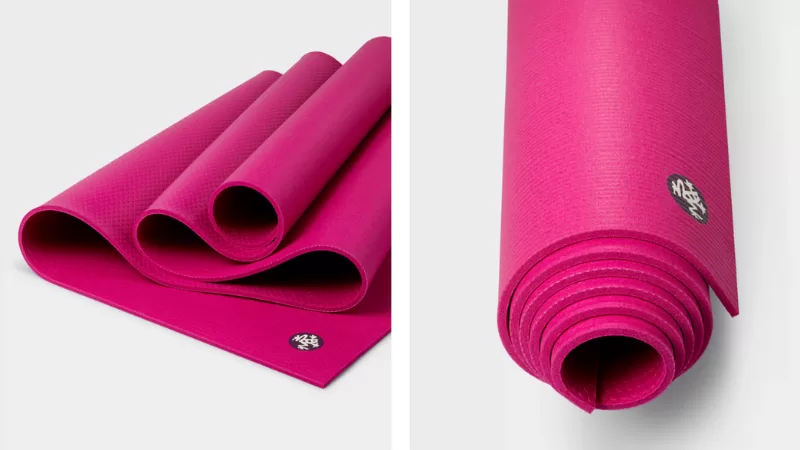
If you're looking for a mat that'll outlast your yoga teacher training, multiple moves, and probably your next relationship, the Manduka PRO is your ride-or-die. This closed-cell yoga mat is built like a tank and beloved by yoga instructors worldwide.
Why It's Legendary:
- Lifetime guarantee (yes, really!)
- Closed-cell construction prevents moisture absorption
- Superior joint protection with 6mm cushioning
- Zero wear and tear even after years of use
- Professional-grade quality trusted by yoga teachers
Best For: Serious practitioners, yoga teachers, and anyone who practices daily
The Catch: It needs a break-in period and can feel slippery initially. Also, at 7.5 pounds, it's definitely not your travel companion.
3. Jade Harmony Yoga Mat - Best Eco-Friendly Option
Price: $92 | Thickness: 4mm | Weight: 5 lbs | Rating: ⭐⭐⭐⭐⭐
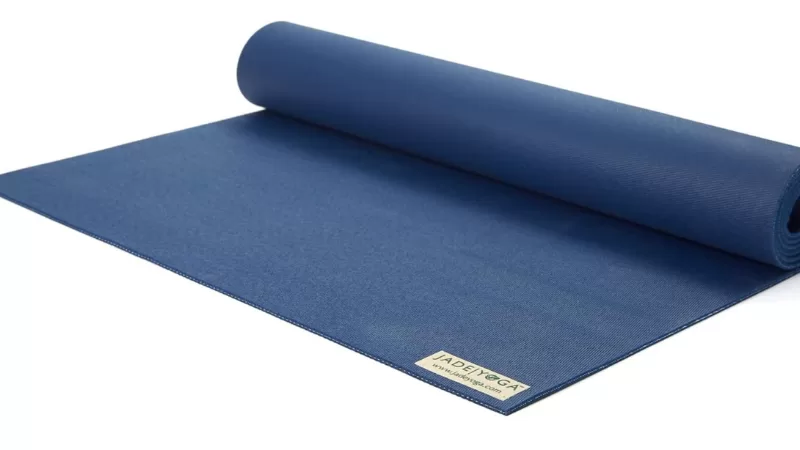
For the environmentally conscious yogis who want their practice to align with their values, the Jade Harmony is pure magic. Made from sustainable natural rubber with zero PVC, this mat even comes with a tree-planting promise!
Why It's Earth-Friendly and Amazing:
- 100% natural rubber from renewable rubber trees
- Plant a tree program - one tree planted per mat sold
- Incredible grip in all conditions
- Biodegradable materials when it's time to retire it
- Open-cell construction for maximum stickiness
Best For: Hot yoga enthusiasts, eco-conscious practitioners, and grip lovers
Consider This: The open-cell design means it needs more cleaning, and some people are sensitive to the natural rubber smell (which fades with use).
4. Gaiam Classic 5mm Yoga Mat - Best Budget Option
Price: $30 | Thickness: 5mm | Weight: 2.5 lbs | Rating: ⭐⭐⭐⭐
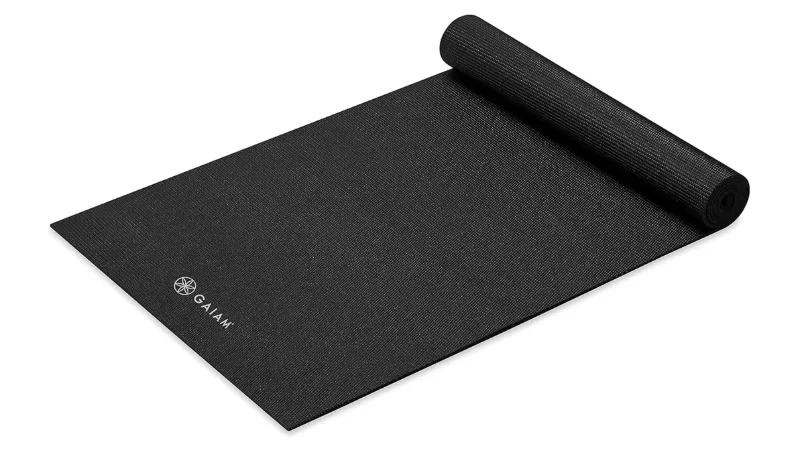
Prove that you don't need to break the bank for a quality yoga mat. The Gaiam Classic offers impressive performance at a price point that won't have you eating ramen for a month.
Why It's a Budget Winner:
- Unbeatable price point under $35
- Good cushioning for joint protection
- Lightweight design for easy transport
- Sticky surface provides decent grip
- Multiple color options to match your aesthetic
Best For: Beginners, students, occasional practitioners, and backup mat needs
Reality Check: It won't last as long as premium options and grip isn't as strong in wet conditions, but for the price, it's solid.
5. Liforme Original Yoga Mat - Best for Alignment
Price: $150 | Thickness: 4mm | Weight: 5.5 lbs | Rating: ⭐⭐⭐⭐⭐
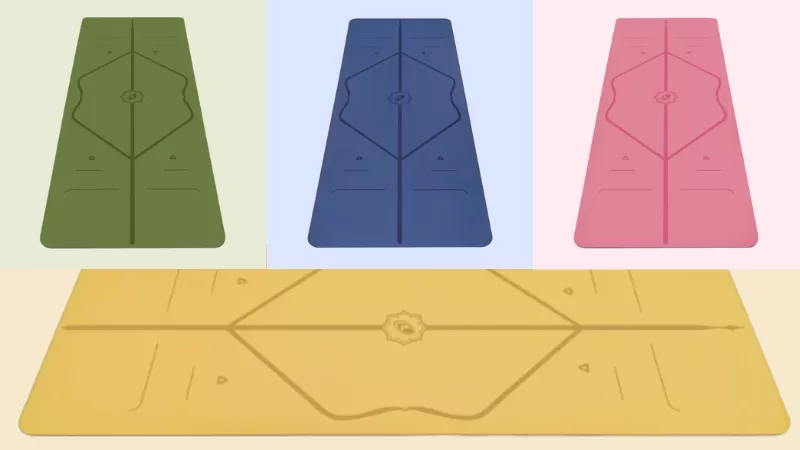
If you're the type who geeks out over perfect alignment (or you're working on it), the Liforme Original is like having a yoga teacher built into your mat. The unique alignment system and eco-friendly construction make it a top choice for serious practitioners.
Why Alignment Matters:
- Revolutionary alignment system with subtle guidance markers
- Eco-friendly construction with natural rubber and biodegradable materials
- Superior grip in wet and dry conditions
- Curved edges prevent peeling and extend mat life
- Perfect thickness for stability and comfort
Best For: Alignment-focused practitioners, yoga teachers, and form perfectionists
The Investment Factor: It's expensive, but the alignment system and durability make it worth it for serious practitioners.
Detailed Buying Guide: How to Choose Your Perfect Yoga Mat
Understanding Yoga Mat Thickness Options
2-3mm (Ultra-Thin): Perfect for travel and advanced practitioners who prioritize ground connection over cushioning.
4-5mm (Standard): The sweet spot for most practitioners – enough cushioning without sacrificing stability.
6-8mm (Thick): Ideal for those with joint sensitivities or who practice primarily floor-based poses.
10mm+ (Extra-Thick): Maximum cushioning for therapeutic practices or those with injuries.
Material Guide: What Your Mat is Made Of
Natural Rubber: Excellent grip, eco-friendly, biodegradable, but can cause allergies and has an initial smell.
PVC (Polyvinyl Chloride): Durable, easy to clean, affordable, but not environmentally friendly.
TPE (Thermoplastic Elastomer): Eco-friendlier than PVC, good grip, lightweight, but less durable.
Cork: Antimicrobial, unique texture, sustainable, but expensive and requires maintenance.
Cotton: Natural, washable, traditional, but heavy and less grippy than modern materials.
Grip vs. Cushioning: Finding Your Balance
The eternal yoga mat dilemma: do you prioritize grip for challenging poses or cushioning for comfort? Here's how to decide:
Choose Grip-Focused Mats If:
- You practice hot yoga or sweat heavily
- You love challenging arm balances and inversions
- Stability is more important than joint comfort
- You have a regular, intense practice
Choose Cushioning-Focused Mats If:
- You have joint sensitivities or injuries
- You practice gentler, floor-based styles
- Comfort is your top priority
- You're recovering from injury or have chronic pain
Yoga Mat Care and Maintenance: Making Your Investment Last
Daily Cleaning Routine
After Every Practice:
- Wipe down with a damp cloth or yoga mat spray
- Let air dry completely before rolling
- Store in a clean, dry area
Deep Cleaning Methods
Weekly Deep Clean:
- Use mild soap and water solution
- Scrub gently with a soft brush
- Rinse thoroughly and air dry completely
- For natural rubber mats, avoid harsh chemicals
Storage Tips for Longevity
Proper Storage:
- Roll loosely or lay flat when possible
- Avoid direct sunlight and extreme temperatures
- Use a mat bag for protection during transport
- Store in a well-ventilated area to prevent moisture buildup
Yoga Mat Accessories: Enhance Your Practice
Essential Accessories for 2025
Yoga Mat Towels: Perfect for hot yoga practitioners who need extra grip and moisture absorption.
Mat Bags and Carriers: Protect your investment and make transport easier with stylish, functional carriers.
Yoga Blocks and Straps: Enhance your practice with supportive props that work with any mat.
Cleaning Supplies: Invest in quality mat cleaners to maintain hygiene and extend mat life.
Hot Yoga Mats: Special Considerations
Hot yoga demands specific mat features that regular mats might not provide:
Key Features for Hot Yoga Mats
Moisture Resistance: Look for closed-cell construction or moisture-wicking surfaces.
Enhanced Grip: Mats that get grippier when wet, not slippery.
Easy Cleaning: Quick-dry materials that resist bacteria and odor.
Durability: High-temperature resistance and fade-proof materials.
Top Hot Yoga Mat Recommendations
- Jade Harmony - Gets grippier when wet
- Lululemon The Mat - Antimicrobial properties
- Manduka PRO - Closed-cell moisture resistance
Travel Yoga Mats: Practice Anywhere
Features of Great Travel Mats
Ultra-Lightweight: Under 2 pounds for easy packing.
Foldable Design: Some mats fold instead of roll for compact storage.
Multi-Purpose: Work for yoga, meditation, and general exercise.
Quick Setup: Easy to deploy and pack away quickly.
Best Travel-Friendly Options
- Manduka EKO Superlite - Ultra-light at 1.5 pounds
- Gaiam Foldable Mat - Compact folding design
- Jade Travel Mat - Natural rubber in travel size
Thick Yoga Mats: Extra Cushioning for Comfort
When You Need Extra Thickness
Joint Protection: Those with knee, wrist, or hip sensitivities.
Floor Practice: Lots of seated and lying poses.
Therapeutic Use: Physical therapy or injury recovery.
Comfort Preference: Simply prefer more cushioning.
Best Thick Mat Options
- Retrospec Solana 1" - Maximum cushioning
- Gaiam 10mm Fitness Mat - Versatile thickness
- Manduka PRO 6mm - Professional-grade thickness
Budget vs. Premium: Investment Analysis
Budget Mats ($20-$50)
Pros:
- Low initial investment
- Good for beginners
- Easy to replace
- Multiple mat option
Cons:
- Shorter lifespan
- Less advanced features
- May need replacing sooner
- Limited performance
Premium Mats ($100-$200)
Pros:
- Superior performance
- Longer lifespan
- Advanced materials
- Better warranties
- Professional quality
Cons:
- Higher upfront cost
- May be overkill for casual use
- Requires care investment
The Real Cost Analysis
When you break down cost per use, premium mats often provide better value:
- Budget mat: $30 ÷ 1 year = $30/year
- Premium mat: $150 ÷ 5 years = $30/year
Plus, premium mats provide better performance, safety, and practice enjoyment.
Sustainable and Eco-Friendly Yoga Mats
Why Eco-Friendly Matters
The yoga philosophy emphasizes harmony with nature, making sustainable mat choices align with yogic principles:
Environmental Impact: Traditional PVC mats contribute to plastic pollution.
Health Considerations: Natural materials reduce exposure to chemicals.
Ethical Alignment: Sustainable practices support the yogic principle of ahimsa (non-harm).
Best Eco-Friendly Materials
Natural Rubber: Renewable, biodegradable, excellent performance.
Organic Cotton: Traditional, washable, completely natural.
Cork: Sustainable, antimicrobial, unique texture.
Recycled Materials: Repurposed plastics and foams.
Top Sustainable Mat Brands
- Jade Yoga - Natural rubber with tree-planting program
- Manduka - Eco-conscious manufacturing
- Liforme - Biodegradable natural rubber
- Oko Living - Organic cotton and natural materials
Common Yoga Mat Problems and Solutions
Slipping During Practice
Causes:
- Smooth new mat surface
- Sweaty hands and feet
- Wrong mat material for practice style
- Dirty mat surface
Solutions:
- Break in new mats properly
- Use yoga towels for hot practice
- Choose mats with better grip technology
- Clean mats regularly
Mat Wear and Tear
Common Issues:
- Surface peeling
- Loss of grip
- Permanent indentations
- Odor retention
Prevention:
- Proper cleaning routine
- Correct storage methods
- Quality mat investment
- Regular replacement when needed
Comfort Problems
Issues:
- Joint pain during practice
- Too firm or too soft
- Wrong thickness for practice style
- Poor weight distribution
Solutions:
- Reassess thickness needs
- Consider different materials
- Use props for additional support
- Gradually build up practice intensity
The Future of Yoga Mats: 2025 Trends
Emerging Technologies
Smart Mat Integration: Mats with pose-tracking sensors and app connectivity.
Advanced Materials: New eco-friendly composites with superior performance.
Customization Options: Personalized thickness, grip, and design choices.
Sustainability Focus: Increased emphasis on circular economy and recyclability.
Industry Innovations
Biodegradable Options: Fully compostable mats at end of life.
Anti-Microbial Treatments: Advanced hygiene technologies.
Temperature Regulation: Mats that adapt to body temperature.
Modular Designs: Mats with interchangeable components.
Professional Recommendations and Expert Insights
What Yoga Teachers Say
Professional yoga instructors consistently recommend investing in quality mats for several reasons:
Safety First: Better mats reduce injury risk through superior grip and cushioning.
Practice Enhancement: Quality mats allow focus on poses rather than mat performance.
Longevity: Professional-grade mats withstand daily use in studios.
Student Experience: Teachers want students to have positive experiences that encourage continued practice.
Physical Therapist Perspective
Physical therapists working with yoga practitioners emphasize:
Joint Protection: Adequate cushioning prevents repetitive stress injuries.
Stability Requirements: Firm surfaces support proper alignment and muscle engagement.
Material Safety: Non-toxic materials reduce exposure to harmful chemicals.
Hygiene Importance: Easy-to-clean mats prevent bacteria and fungal infections.
Frequently Asked Questions
How often should I replace my yoga mat?
Most quality mats last 2-5 years with regular use. Replace when you notice:
- Significant wear patterns
- Loss of grip
- Permanent odors
- Thinning or holes
Can I use my yoga mat for other exercises?
Absolutely! Modern yoga mats work great for:
- Pilates and barre
- HIIT workouts
- Stretching routines
- Meditation practice
- Core strengthening exercises
What's the difference between beginner and advanced mats?
Beginner Mats:
- Thicker for comfort
- More forgiving materials
- Budget-friendly options
- Basic grip performance
Advanced Mats:
- Optimized thickness for stability
- Superior grip technology
- Durable construction
- Professional features
Do expensive mats really make a difference?
Yes, premium mats typically offer:
- Better materials and construction
- Superior performance characteristics
- Longer lifespan
- Enhanced safety features
- Professional-grade quality
The investment often pays off in improved practice experience and longevity.
Conclusion: Finding Your Perfect Yoga Mat Match
Choosing the right yoga mat is deeply personal – it depends on your practice style, body needs, budget, and values. The five mats we've highlighted represent the best options available in 2025, each excelling in different areas:
- Lululemon The Mat 5mm for overall excellence
- Manduka PRO for unmatched durability
- Jade Harmony for eco-conscious practitioners
- Gaiam Classic for budget-conscious yogis
- Liforme Original for alignment enthusiasts
Remember, the best yoga mat is the one that supports your practice, keeps you safe, and inspires you to roll it out regularly. Whether you're just starting your yoga journey or you're a seasoned practitioner looking to upgrade, investing in a quality mat is investing in your health, well-being, and spiritual growth.
Your mat is more than just equipment – it's your personal sacred space, your foundation for growth, and your companion on the journey toward greater flexibility, strength, and inner peace. Choose wisely, practice regularly, and let your mat support you in becoming the best version of yourself.
Ready to transform your practice? Your perfect yoga mat is waiting for you. 🧘♀️✨
Frequently Asked Questions
What thickness of yoga mat is best?
About 4–5mm suits most people. Go thicker (6mm+) for sensitive joints, or thinner (3mm) for stability in balance poses and for easy travel.
What is the best yoga mat material?
Natural rubber and TPE offer excellent grip and are more eco-friendly than PVC; closed-cell surfaces are easiest to wipe clean for sweaty or hot yoga.
How do I stop slipping on my yoga mat?
Choose a textured, high-grip mat, break it in, keep it clean, and lay a yoga towel on top during sweaty or hot sessions.
How long should a yoga mat be?
Standard mats run about 68 inches. If you are taller than roughly 5'8", look for an extra-long 72–84 inch mat so you do not run off the ends.
Keep styling your space
Related Posts




Comments (0)
No comments yet. Be the first to comment!