
Making Your Garden Pet Friendly

✨ Updated June 2026 — reviewed for accuracy and freshness.
Key Takeaways
- A pet-friendly garden keeps furry family members safe and happy.
- Avoid toxic plants and chemicals; choose sturdy, non-toxic greenery.
- Add shade, water, paths, and a digging or play zone.
- Secure boundaries and skip cocoa mulch and sharp gravel.
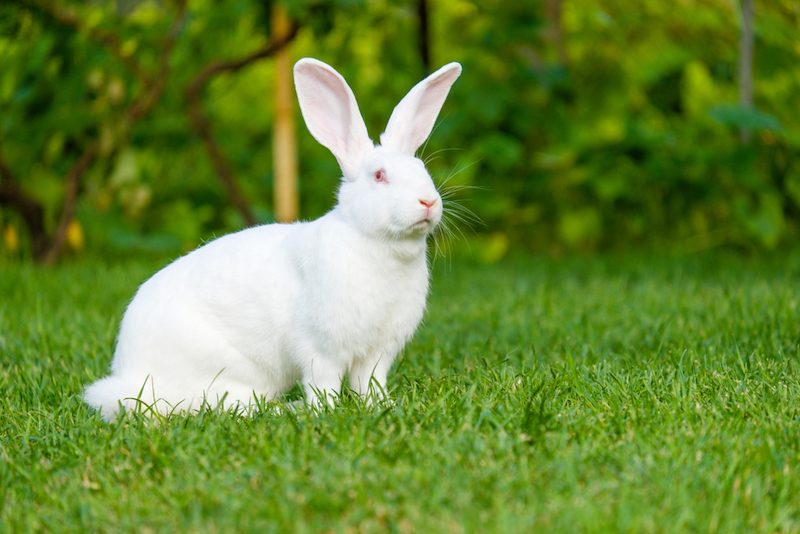
If you’re lucky enough to have a garden, you likely love spending time in it. Humans are hardwired to get enjoyment and happiness from being outside, but we aren’t the only ones. Pets like cats, dogs and rabbits will also greatly appreciate being outdoors and dogs also need walks, so using a camo dog harness is great for this, although taking pets outdoors means that you as their owner, you need to be mindful of the risks your garden could pose to your beloved four legged friend. Do havanese shed? Find out now.
Your garden might seem like a safe haven for your pet, but there are lots of hidden risks that could cause ill health or even death. The first step to making your garden truly pet-friendly is to understand the risks, and that's why hiring professionals like Emily Davis of Clever Pet Owners can be a good choice to help in this area. There are a few, but we’ve highlighted some of the top things you need to be aware of.
Compost
Compost is great for the environment and goes a long way to helping people live a zero waste lifestyle, and whilst it should definitely be encouraged, it poses a significant risk to dogs. In the same way if you ate moldy food you would likely have an upset stomach, so would your furry friend. This is because mycotoxins (which are produced when certain types of waste break down) can be fatal to dogs. For this reason, if you do have a compost bin or pile, make sure it’s well out of the way of your dog.
Weed Killer
Most dog owners are aware of the risks of weed killer, but few know exactly why. Weed killer has glyphosate in it which is extremely toxic to all types of pets when it’s consumed in large enough quantities. Signs that your pet has ingested weed killer include: shortness of breath or irregular breathing, accelerated heart rate and seizures or convulsions. When you come to using weed killer, try and find a pet friendly solution or keep your pet in the house whilst you’re applying it to be on the cautious side.
Bulbs
Everyone can appreciate a garden full of plant life, but your pets might not feel so strongly if they stumble across a bulb. Dogs and rabbits have a tendency to dig, but to avoid any unwanted illnesses, you should make sure that if they do engage in naughty behavior, they can’t get to flower bulbs. Daffodils and lilies are amongst the most poisonous when consumed in bulb form, but this doesn’t mean you can’t plant them. Instead, make your garden more pet friendly by using artificial grass as a base and raised planters for all your flowers and vegetables.
Fencing
It’s not just your plants that can be dangerous to your pets, you need to make sure your garden is secure to begin with. This will mean rigorously checking your fence or hedges for any compromised areas that could lead to a potential escape, if you need some repairs to be done, hire experts from chain link fence columbus ohio to help you. As mentioned earlier, a lot of pets will have an instinct to dig, and many will choose to dig in and around fences in order to get under them. To avoid this, fake grass is a good idea, as is placing planters around the edges of your garden so that there is a physical obstruction between the pets and the fence.
If you have small pets, you might want to consider dedicating a specific area of the garden to them so that they can go outside safely and without risk of getting attacked from birds of prey or roaming cats. You can do this by creating a pen with wood and chicken wire. You should also consider buying them a Foldable Pet Pool. Pet pools are a fun option to help them cool off when the heat rises and the panting increases.
Summary
These are just a few of the ways you can make your garden pet friendly and safe so that everyone can enjoy it.
Frequently Asked Questions
How do I make my garden pet-friendly?
Avoid toxic plants and chemicals, secure fences and boundaries, provide shade and fresh water, use pet-safe mulch, create paths and a play or digging area, and choose hardy, non-toxic plants.
What plants are safe for pets?
Pet-safe options include sunflowers, snapdragons, marigolds, roses, camellias, and many herbs. Always check before planting, and avoid known toxic plants like lilies, foxglove, and sago palm.
What garden plants are toxic to dogs and cats?
Common toxic plants include lilies, foxglove, sago palm, oleander, azalea, and daffodil bulbs. Keep these out of a pet-friendly garden or securely out of reach.
How do I stop my dog digging up the garden?
Provide a dedicated digging zone, use raised beds or borders, keep your dog exercised and stimulated, and protect new plantings until established.
Related Posts

5 Reasons a Flower Bouquet Is the Perfect Gift for Any Occasion (2026)
Discover 5 reasons a flower bouquet is the perfect gift for any occasion in 2026 — affordable, mood-boosting, meaningful and loved by people of all ages.

Best Work From Home Accessories To Have in 2021
Electric scooters: rent or buy? Here's our guide

DIY Clutches and Bags
5 DIY Stair Projects For The Perfect Home Makeover
Comments (0)
No comments yet. Be the first to comment!