
Scandinavian Style Inspired Living Space

✨ Updated July 2026 — reviewed for accuracy and freshness.
Scandinavian style is not white walls and a sheepskin; it is a set of practical answers to long, dark winters. Pale surfaces stretch scarce daylight, light wood puts the warmth back, and the furniture is edited down to what genuinely gets used. Once you can tell which part is the principle and which part is just the paint color, the look copies well into any climate.
Key Takeaways
- Light is the real rule — pale surfaces exist to stretch a short winter day.
- Wood does the warming — ash, birch and pale oak keep white rooms from feeling clinical.
- Not minimalism — Scandinavian rooms are meant to look used, not emptied.
- Hygge is not a shopping list — it is low light, comfort and time spent in the room.
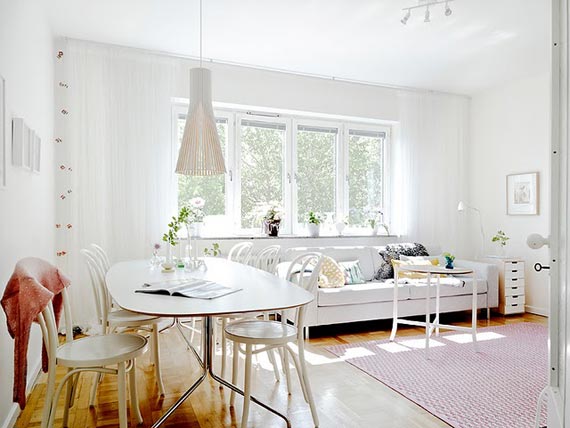
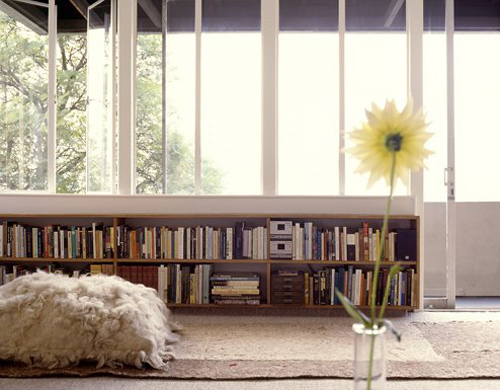
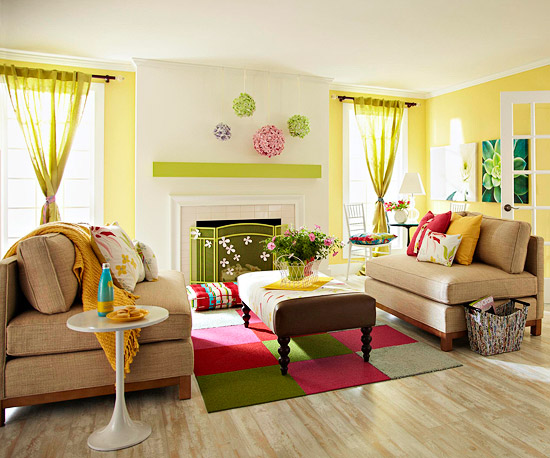
 Light plays an important role in Scandinavian design, large windows and creative lampshades will add an extra brightness to the place.
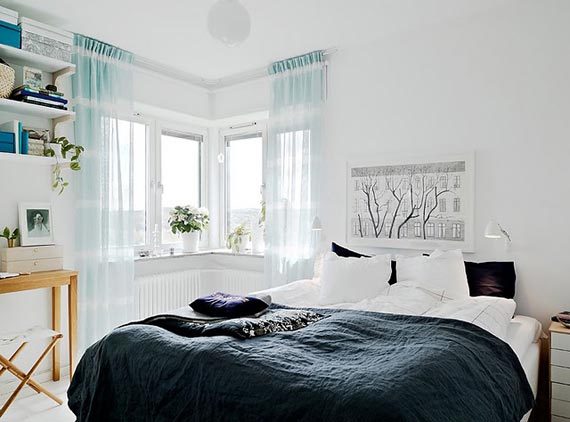
 Beige, light blue, cream, whitened along with other mild colors in bedroom will add a charm to it.
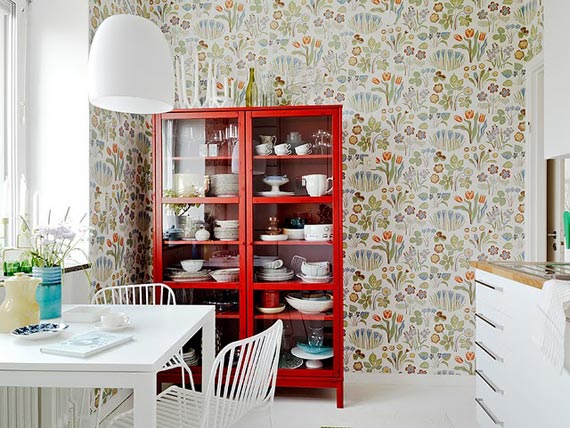
 To create the beautiful touches, you can add the beautiful wallpaper which has floral motifs with the combination between red and blue colors.You can find the classic furniture to gives the warmth to the room.
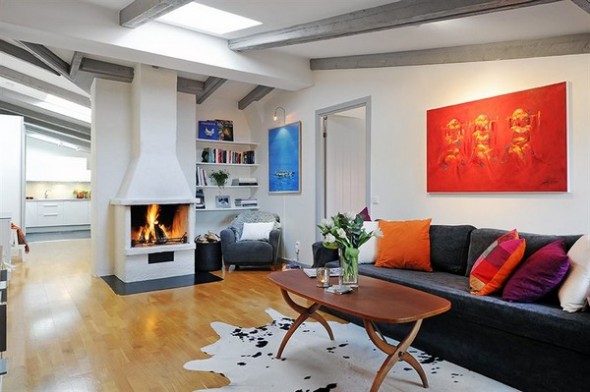
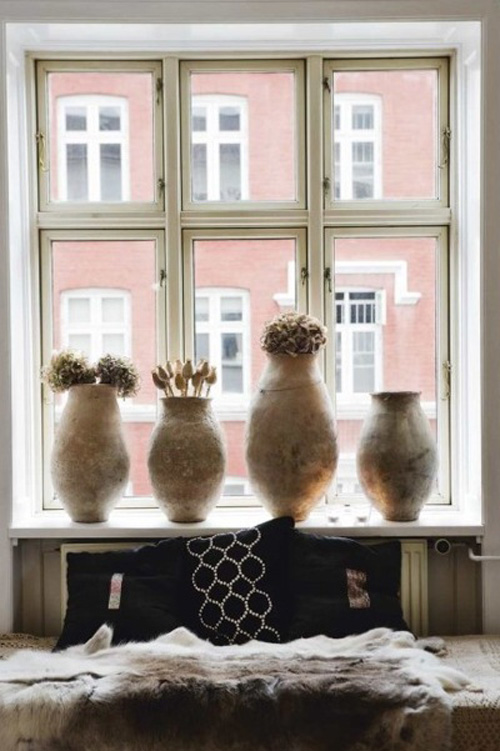
 Beauty of any place lies in the small details, creative bookshelf or rustic pot decoration on the windowsill, one can instantly fall in love with the view and the simplicity surrounding this home-like environment.
What Actually Makes a Room Scandinavian
Every signature of the style traces back to daylight. At those latitudes the sun sits low and the winter afternoon is short, so pale walls, bare or lightly dressed windows, glossy-free white paint and light floors all exist to bounce a small amount of light as far as it will go. That is the transferable principle: work out where your light comes from and remove whatever blocks it — heavy drapery, dark hallway paint, tall furniture in front of a window. White walls are a tool used to that end, not the point in themselves.
Wood is what stops the pale palette from turning cold. The style leans on light species with quiet grain — ash, birch, beech and pale oak — left visible under a matte oil or soap finish rather than a high-gloss lacquer. Warmth comes from the material, so a room can be almost colorless and still feel kind. Keep to two wood tones at most across the room; the discipline is what makes it read as a scheme rather than a collection.
Then there is function, treated as a design value rather than a compromise. Chairs and tables are honest about how they are made, with slim tapered legs, visible joinery and low profiles that keep sightlines open. Storage is closed and generous so surfaces stay clear. Objects on display tend to be things that get handled — a good jug, a pile of books, a woven basket — which is why the rooms look lived in rather than staged. Editing is the ongoing work: choose fewer, better pieces and remove what is not earning its place.
The hygge misunderstanding is worth clearing up. It is not a category of product, and no blanket or candle purchase delivers it. What it describes is comfort and ease in a room you actually want to sit in: low, layered lamplight rather than a bright ceiling fixture, somewhere soft to put your feet, a spot for a drink within reach, and no requirement that the room stay tidy while you are using it. Scandinavian interiors are also not minimalist. Color exists, usually muted and carried by textiles, art and ceramics rather than paint, and clutter is controlled rather than banned.
Adapting it outside the Nordics mostly means adjusting the whites. Strong sunlight can make a cool blue-white look harsh, so shift to a warm off-white and let contrast come from black window frames, a dark chair or one graphic rug. Add plants, keep the palette to three or four colors, and choose a few pieces you will keep for years rather than a room's worth you will replace.
Frequently Asked Questions
What is the difference between Scandinavian and minimalist design?
Minimalism reduces for its own sake and tends toward hard surfaces and empty planes. Scandinavian design reduces so that the things left are useful and comfortable, which is why it keeps wood, wool, plants and objects in daily use. A Scandinavian room should look inhabited.
Do Scandinavian interiors have to be white?
No. White is a strategy for scarce daylight, so in a bright climate a warm off-white, soft gray, muted sage or dusty blue achieves the same calm. What matters is a limited palette, plenty of light wood and nothing heavy blocking the windows.
What is hygge and how do you get it in a room?
Hygge describes a feeling of easy comfort rather than a style you can buy. In practical terms it means several low light sources instead of one overhead, soft places to sit, a surface within reach of every seat, and a room you are allowed to relax in.
What wood is used in Scandinavian furniture?
Pale, close-grained species dominate: ash, birch, beech and light oak, usually finished with oil, soap or a matte lacquer that keeps the grain visible. Darker walnut and teak appear in mid-century Danish pieces, which pair well with the lighter woods in small amounts.
How do you add color to a Scandinavian living room?
Put it in the things you can change: cushions, a throw, a rug, art, ceramics and books. Choose muted, slightly grayed tones such as ochre, rust, sage or dusty blue, and repeat each one two or three times around the room so it looks chosen rather than random.
Related Posts


Comments (0)
No comments yet. Be the first to comment!