
Creative Coffee Shop Design Ideas: Transform Your Space Into a Customer Magnet

Picture this: you walk into a coffee shop and immediately feel at home. The warm lighting draws you in, the comfortable seating makes you want to stay, and every corner seems perfectly designed for that Instagram-worthy photo. That's the magic of thoughtful coffee shop design – it doesn't just serve coffee, it creates experiences that keep customers coming back for more. Whether you're opening your first café or renovating an existing space, the right design choices can transform your coffee shop from just another place to grab caffeine into a beloved community hub that customers can't resist visiting again and again.
Why Coffee Shop Design Matters More Than Ever
In today's competitive coffee market, design isn't just about looking pretty – it's about creating a space that tells your story, builds community, and drives profits. Studies show that customers spend 15-20% more time in well-designed spaces, directly impacting your sales per customer.
The modern coffee shop serves multiple purposes: it's a workspace for remote workers, a meeting spot for friends, a quiet retreat for students, and a community gathering place. Your design needs to accommodate all these functions while maintaining a cohesive brand identity that sets you apart from chain competitors.
Essential Elements of Successful Coffee Shop Design
Layout and Flow Design
The foundation of any great coffee shop starts with smart layout planning. Your space needs to guide customers naturally from entrance to ordering to seating, creating a smooth flow that prevents bottlenecks during busy periods.
Counter Placement and Queue Management Position your counter where customers can easily see the menu and ordering process upon entering. Create a clear queue line using floor markings, rope barriers, or strategic furniture placement. This prevents confusion and reduces wait times, especially during morning rushes.
Traffic Flow Optimization Design pathways that allow customers to move freely without disrupting seated guests. Wide aisles (at least 36 inches) accommodate wheelchairs and ensure compliance with ADA requirements while making the space feel open and welcoming.
Zoning for Different Activities Create distinct areas for different customer needs:
- Quick grab-and-go zone near the entrance
- Quiet work areas away from high-traffic zones
- Social seating for groups and meetings
- Reading nooks for solo customers
Lighting Design That Creates Ambiance
Lighting dramatically affects customer mood and spending behavior. The right lighting scheme can make your space feel warm and inviting while ensuring functionality for different activities.
Natural Light Maximization Large windows not only reduce electricity costs but create an open, airy feeling that customers love. Position seating areas to take advantage of natural light while using window treatments to control glare during different times of day.
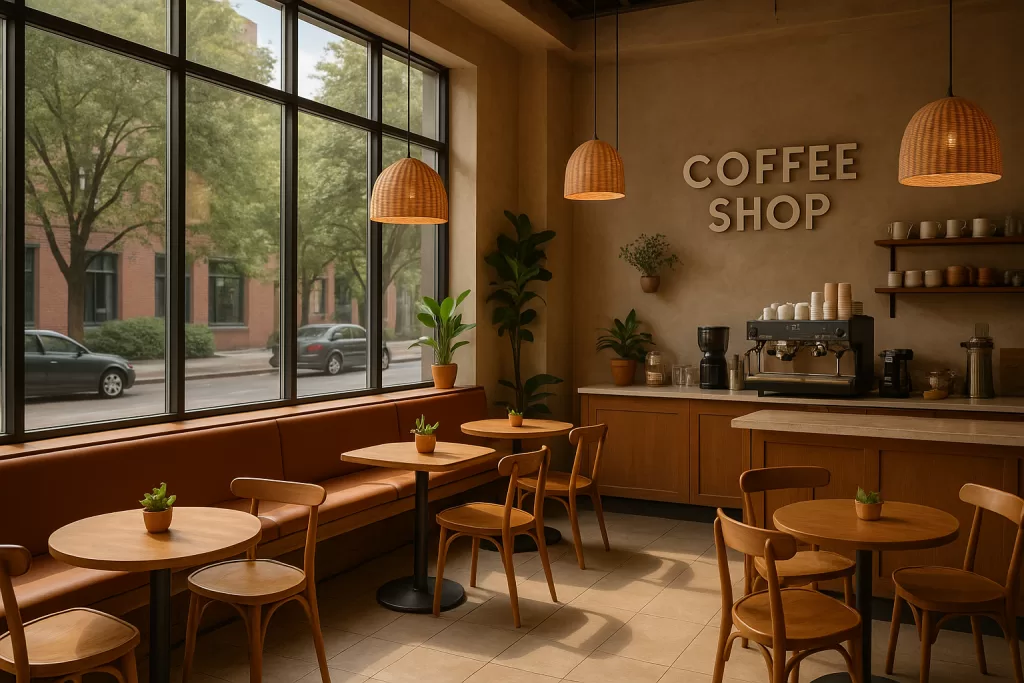
Layered Artificial Lighting Combine different lighting types for flexibility:
- Ambient lighting for overall illumination
- Task lighting for work areas and reading spots
- Accent lighting to highlight artwork or architectural features
- Decorative lighting for atmosphere and branding
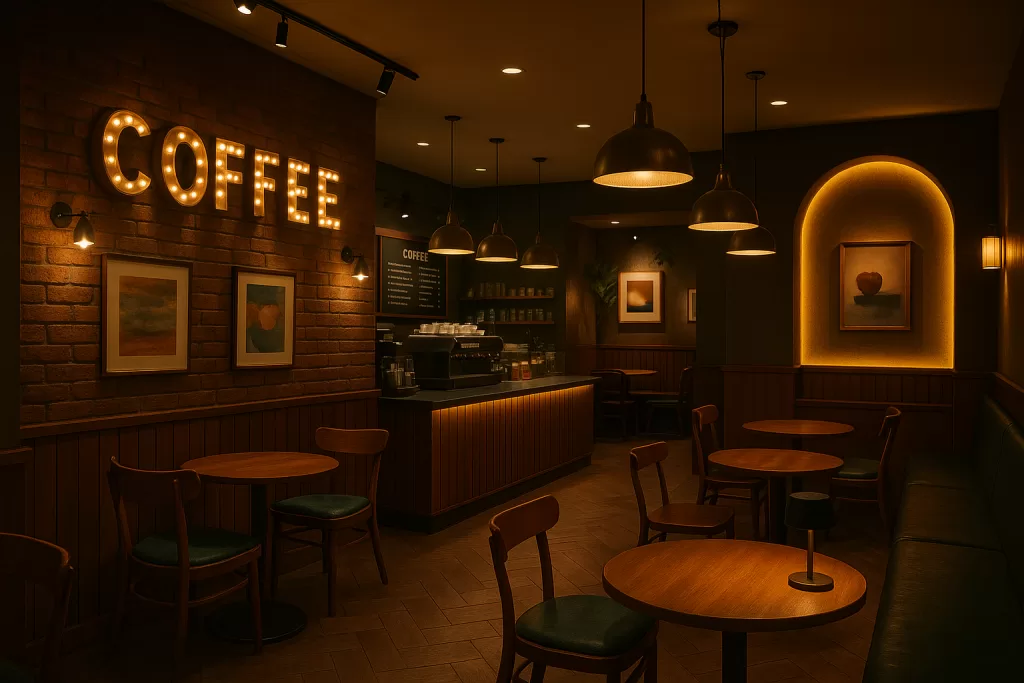
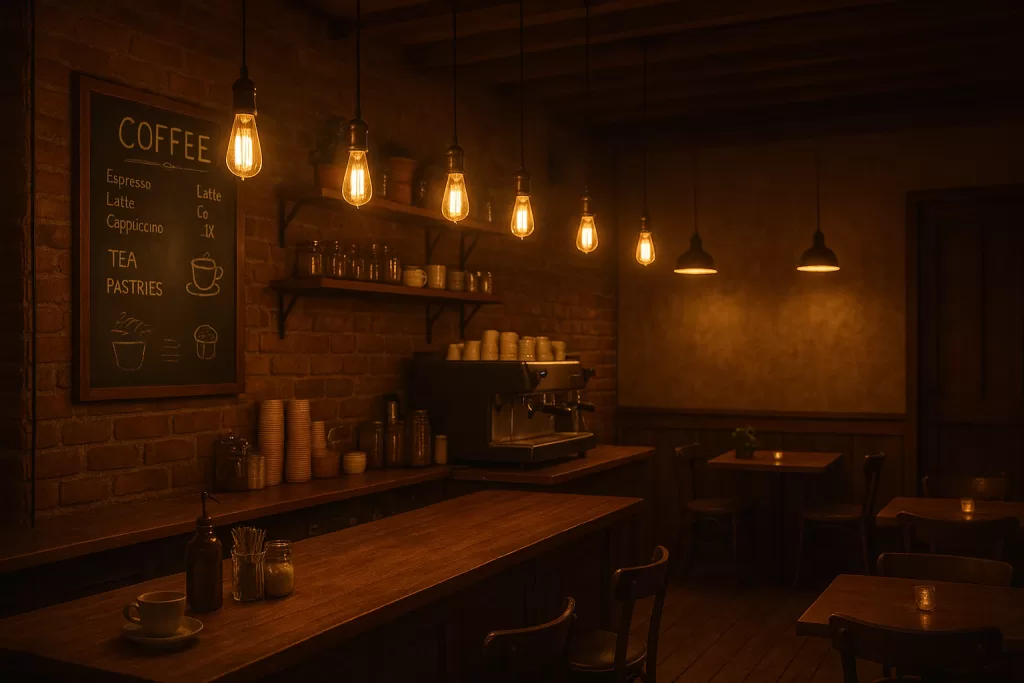
Warm Color Temperature Choose bulbs with warm color temperatures (2700K-3000K) to create a cozy, welcoming atmosphere. Avoid harsh fluorescent lighting that can make your space feel cold and institutional.
Seating Arrangements That Maximize Comfort and Revenue
Your seating design directly impacts customer satisfaction and your bottom line. The right mix of seating options accommodates different customer preferences while maximizing your space's earning potential.
Diverse Seating Options
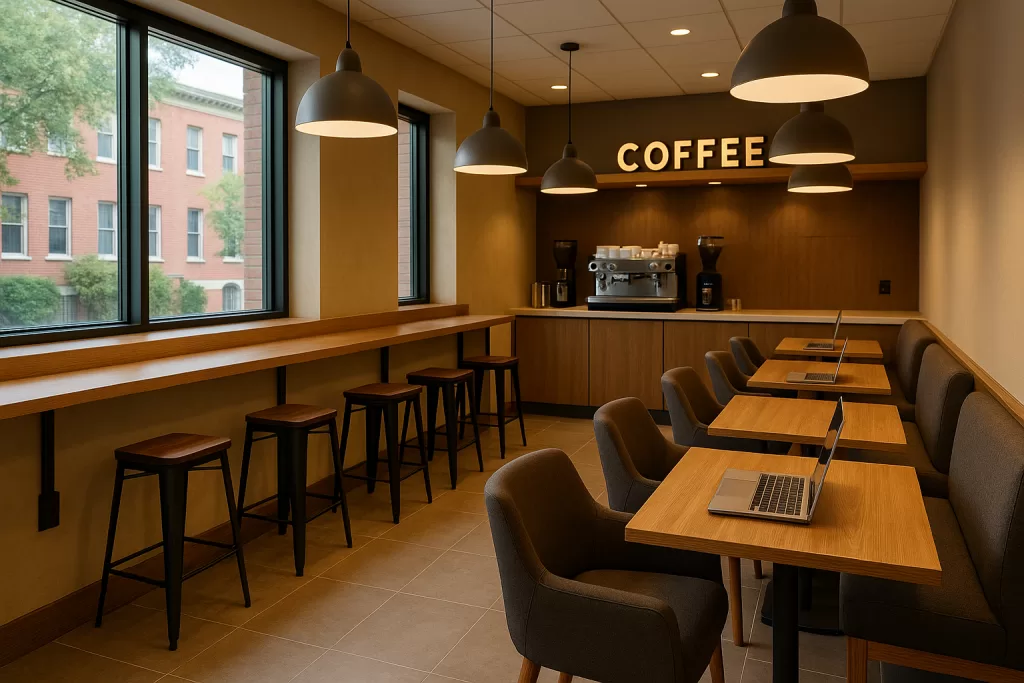
Individual Work Stations Create dedicated spaces for laptop users with:
- Counter-height seating with power outlets
- Individual tables with adequate workspace
- Comfortable chairs that support long sitting sessions
- Good lighting for screen visibility
Communal Tables Large shared tables encourage community interaction and efficiently use floor space. They're perfect for busy periods when individual tables might be scarce, and they create opportunities for customers to meet and connect.
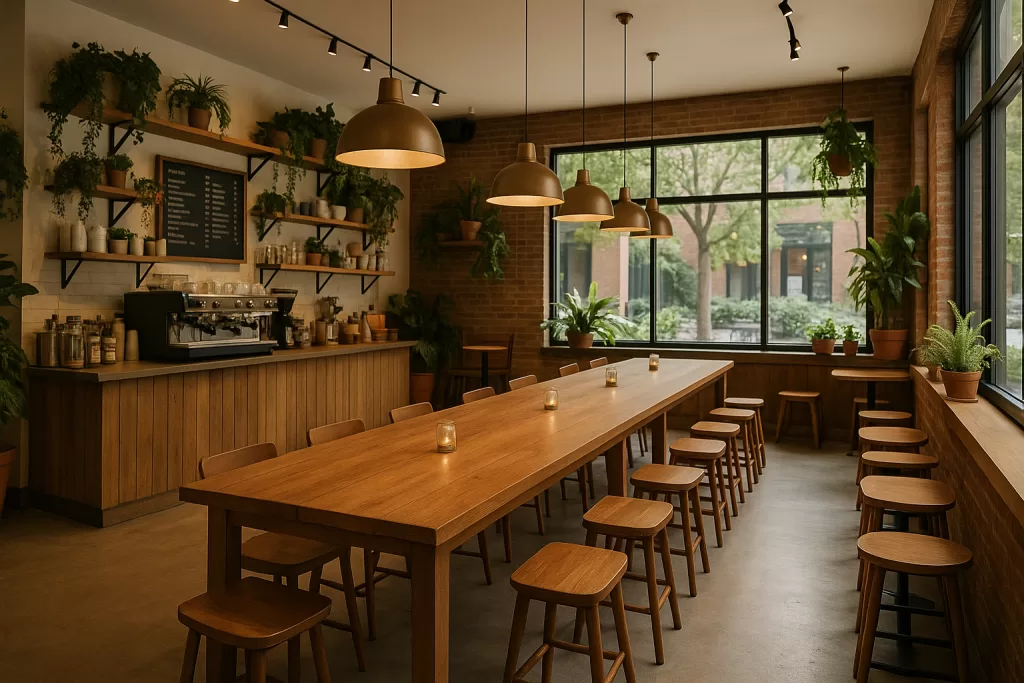
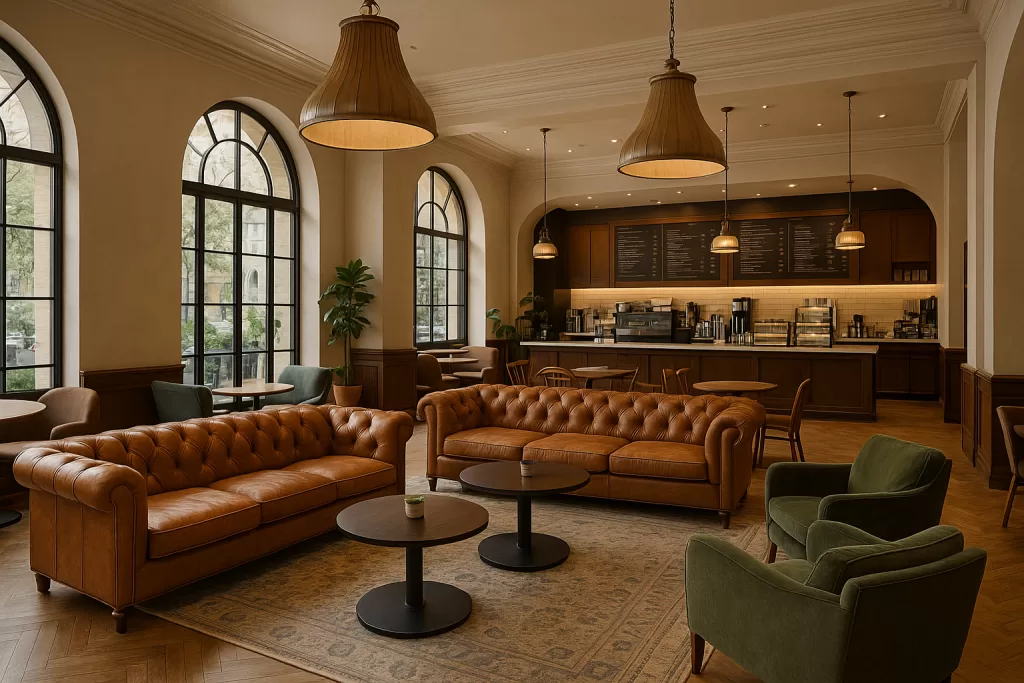
Lounge Areas Comfortable sofas and armchairs create a living room atmosphere that encourages longer visits and higher spending. These areas work well for casual meetings, reading, or simply relaxing with a coffee.
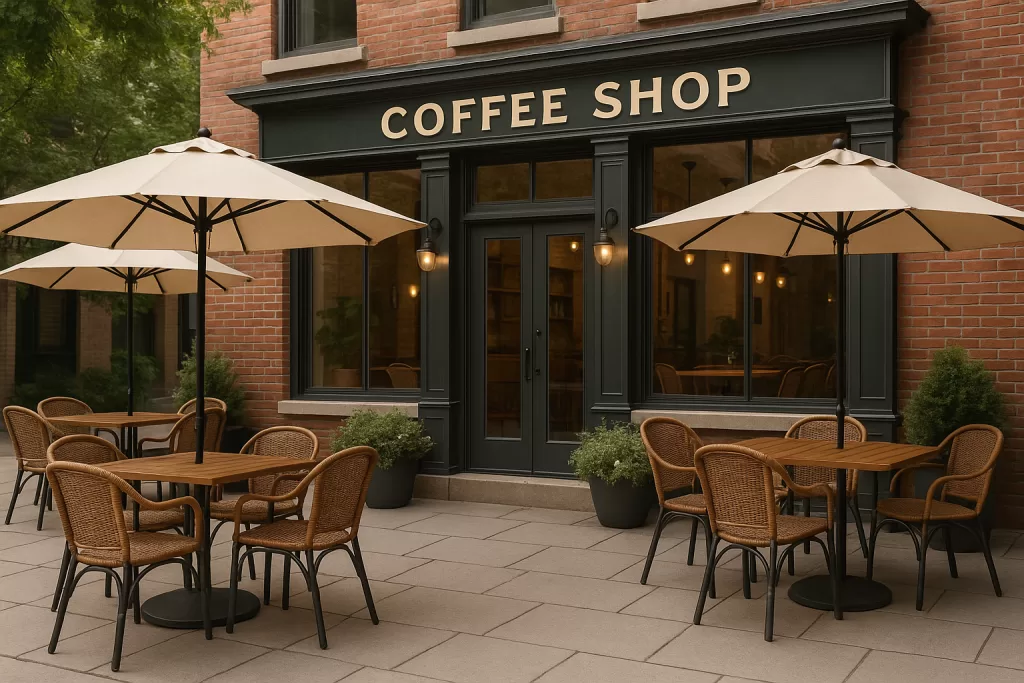
Outdoor Seating If you have sidewalk space or a patio, outdoor seating extends your capacity and appeals to customers who enjoy fresh air. Weather-resistant furniture and umbrellas or awnings protect against elements while creating an attractive street presence.
Space Efficiency Tips
Flexible Furniture Choose lightweight tables and chairs that can be easily rearranged for different group sizes or special events. This flexibility allows you to adapt your space for busy periods or private functions.
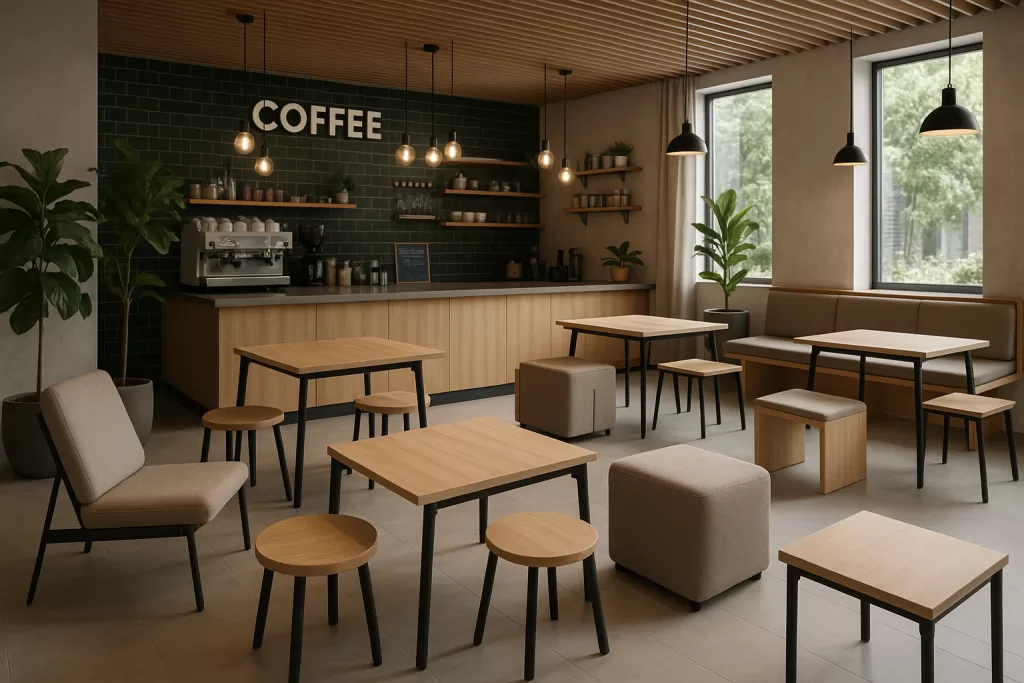
Wall-Mounted Solutions Floating shelves, wall-mounted tables, and built-in banquettes save floor space while providing functional seating and storage options.
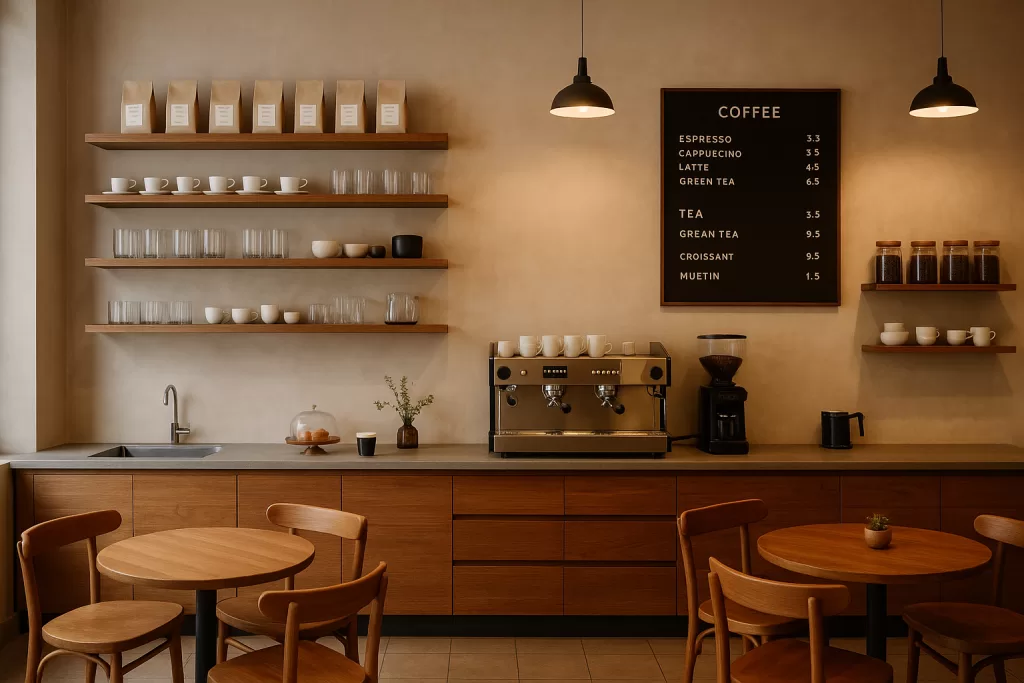
Color Psychology in Coffee Shop Design
Colors profoundly influence customer behavior and emotions. Understanding color psychology helps you create the perfect atmosphere for your target audience and brand identity.
Warm Color Palettes
Earth Tones and Neutrals Browns, beiges, and warm grays create a sophisticated, timeless look that appeals to a broad customer base. These colors work particularly well with coffee's natural associations and create a calming environment perfect for work or relaxation.
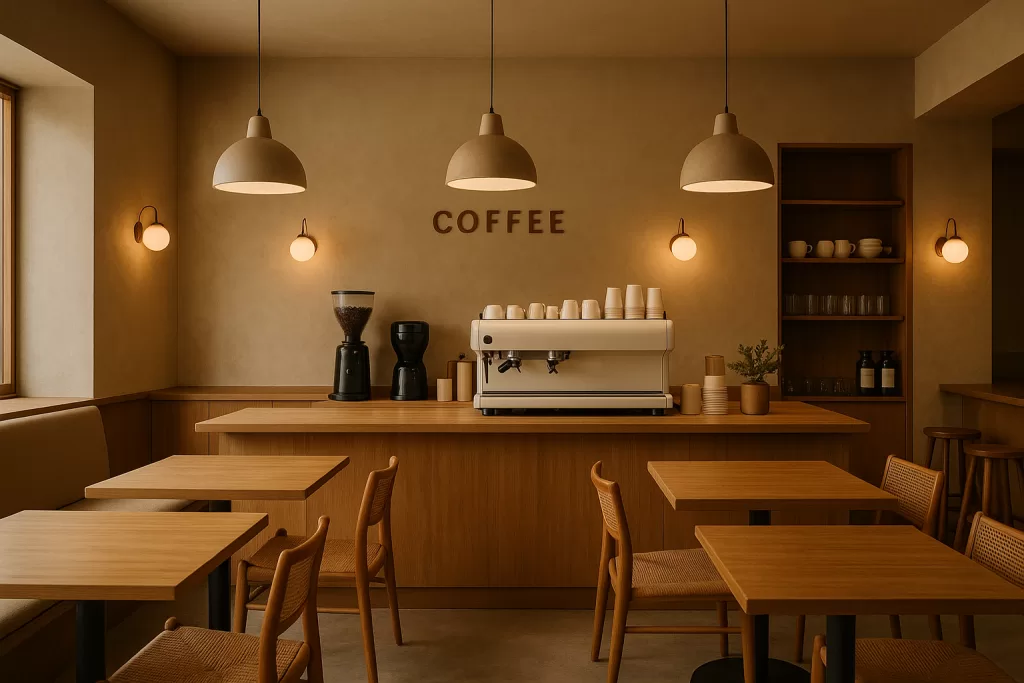
Accent Colors for Personality While neutral bases provide stability, accent colors inject personality and energy:
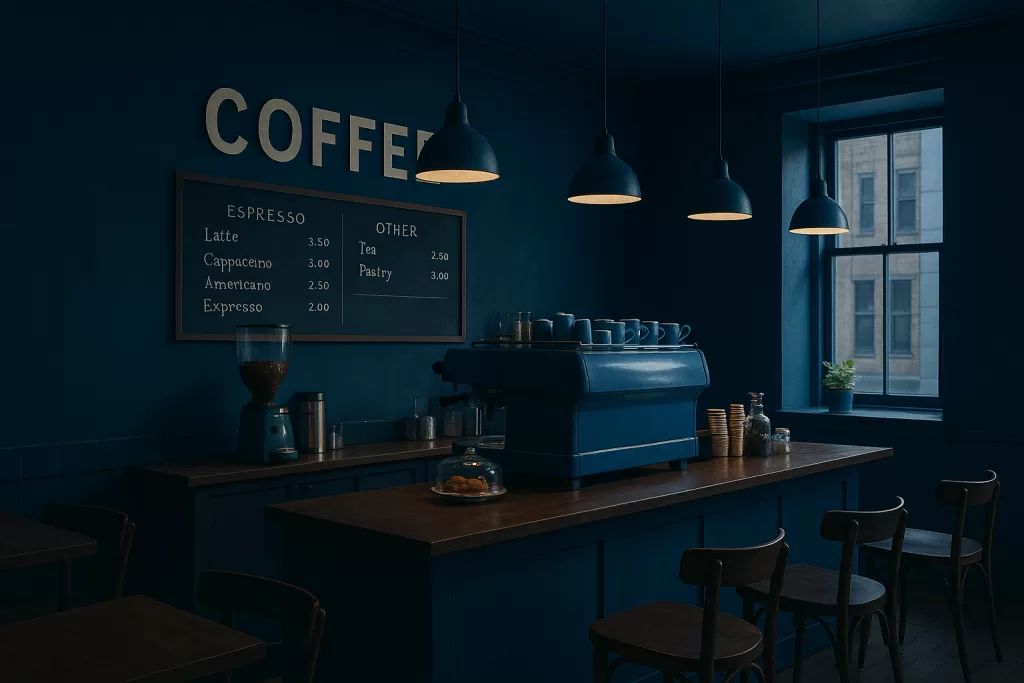
- Deep blues convey trustworthiness and calm
- Soft greens promote relaxation and well-being
- Warm oranges and yellows create energy and optimism
- Rich burgundy or forest green add sophistication
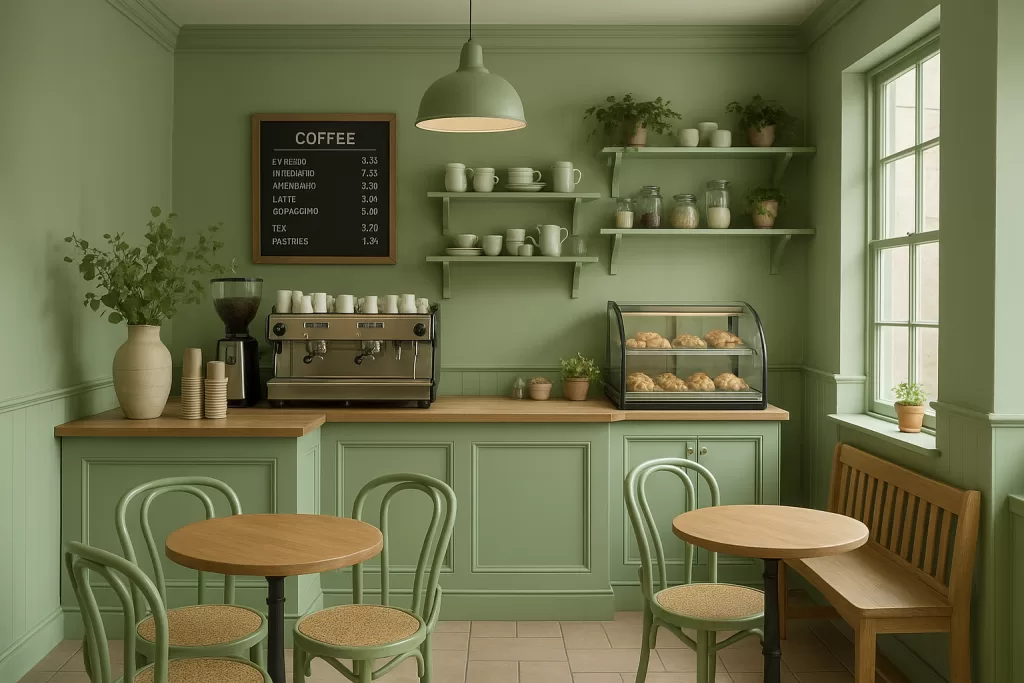
Color Combinations That Work
Monochromatic Schemes Using different shades of the same color creates a cohesive, sophisticated look that's easy on the eyes and photographs well for social media.
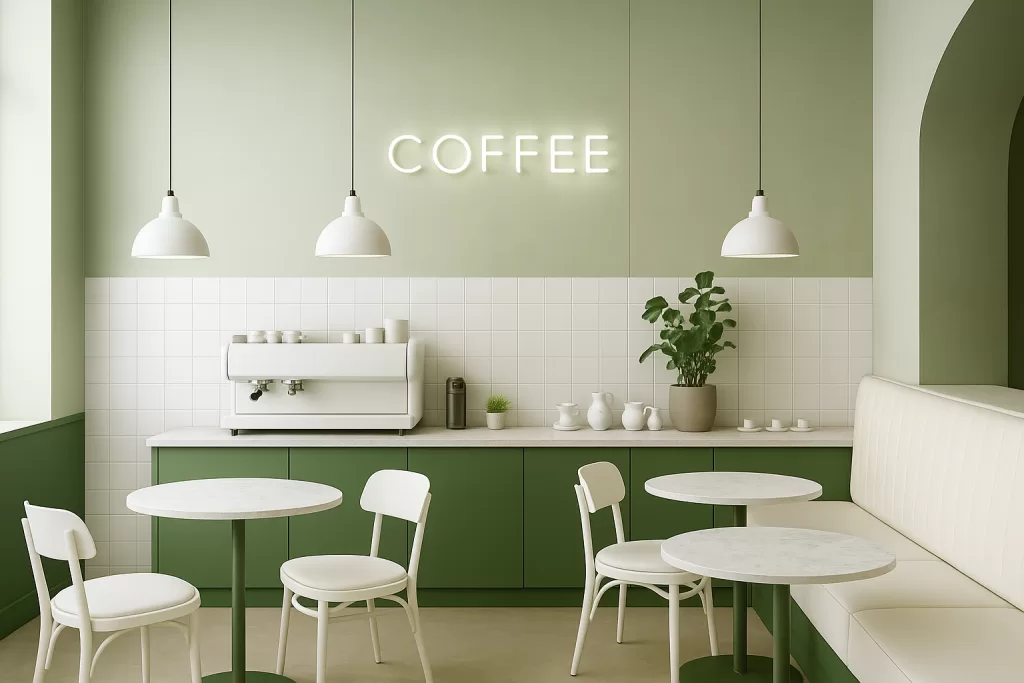
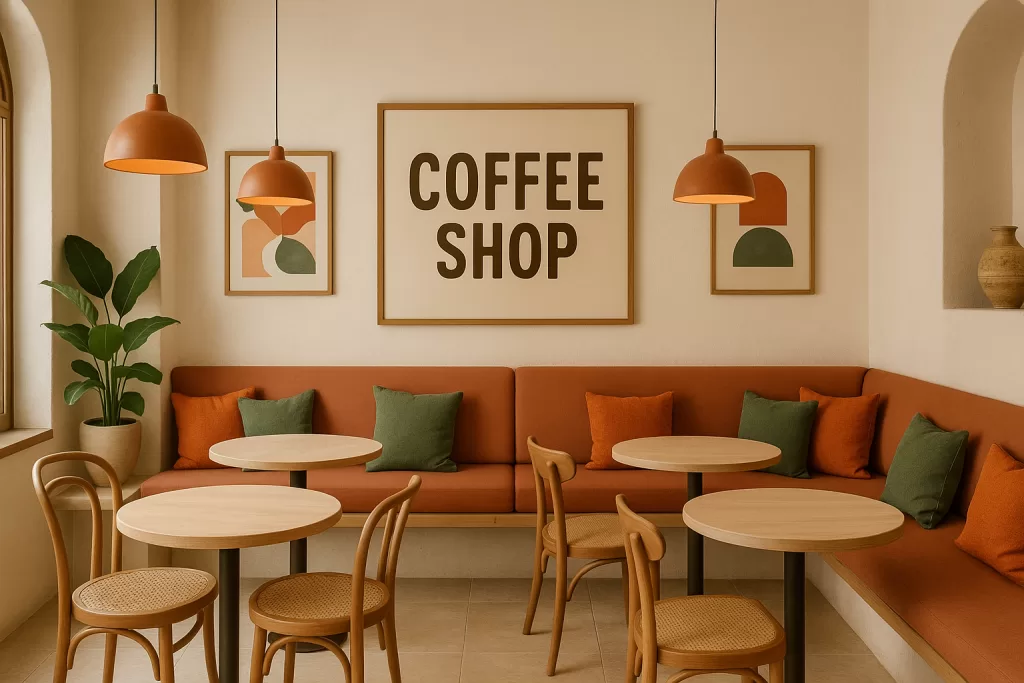
Complementary Accents Pair neutral backgrounds with complementary accent colors in small doses through artwork, cushions, or decorative elements.
Technology Integration for Modern Coffee Shops
Today's customers expect seamless technology integration that enhances their experience without overwhelming the space's atmosphere.
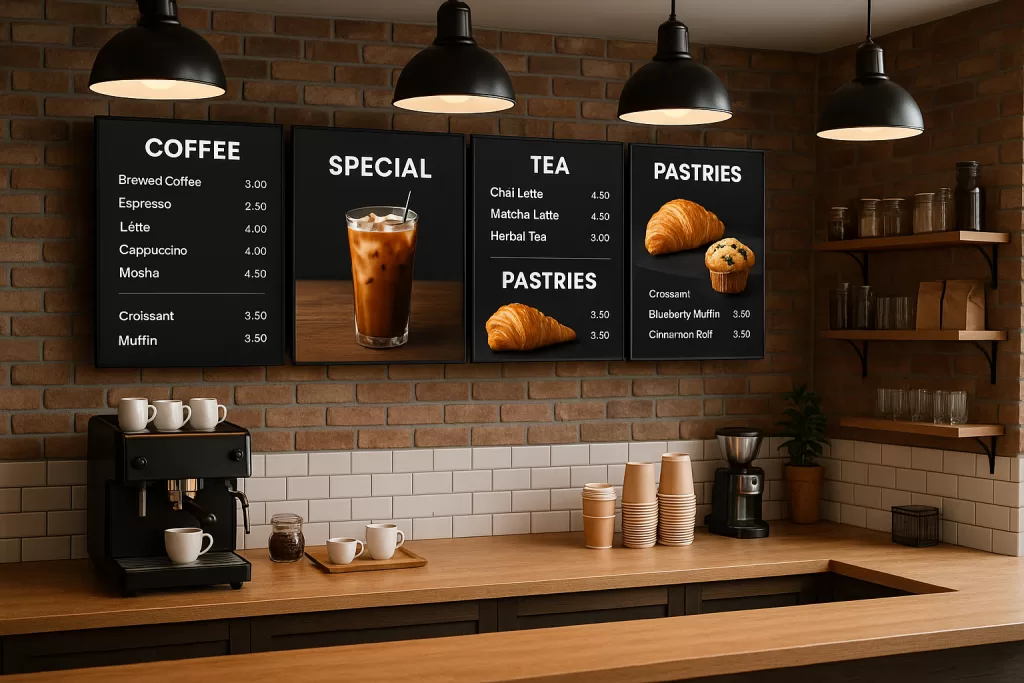
Digital Menu Boards
Digital displays offer flexibility to update prices, promote specials, and showcase high-quality images of your products. They're particularly effective behind the counter where they can influence ordering decisions and upselling opportunities.
Power and Connectivity Solutions
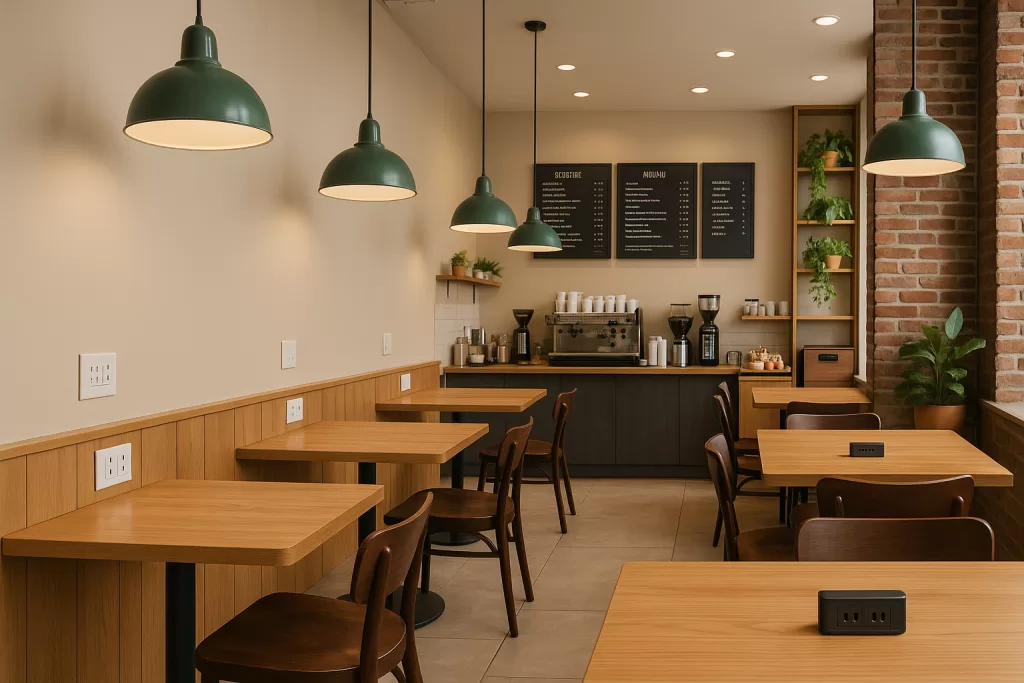
Strategic Outlet Placement Install outlets at regular intervals along walls and built into tables to accommodate customers' device charging needs. Consider USB charging stations for added convenience.
Reliable WiFi Infrastructure Invest in commercial-grade WiFi that can handle high traffic volumes without slowing down. Create a guest network separate from your business operations for security.
Mobile Ordering Integration Design pickup areas that accommodate mobile orders without disrupting the regular queue flow. Clear signage and dedicated spaces reduce confusion and improve efficiency.
Sustainable and Eco-Friendly Design Elements
Environmental consciousness resonates with many coffee shop customers, and sustainable design choices can reduce operating costs while building brand loyalty.
Sustainable Materials
Reclaimed and Recycled Elements Reclaimed wood tables, recycled metal fixtures, and upcycled furniture create unique character while demonstrating environmental responsibility. These elements often become conversation starters and photo opportunities.
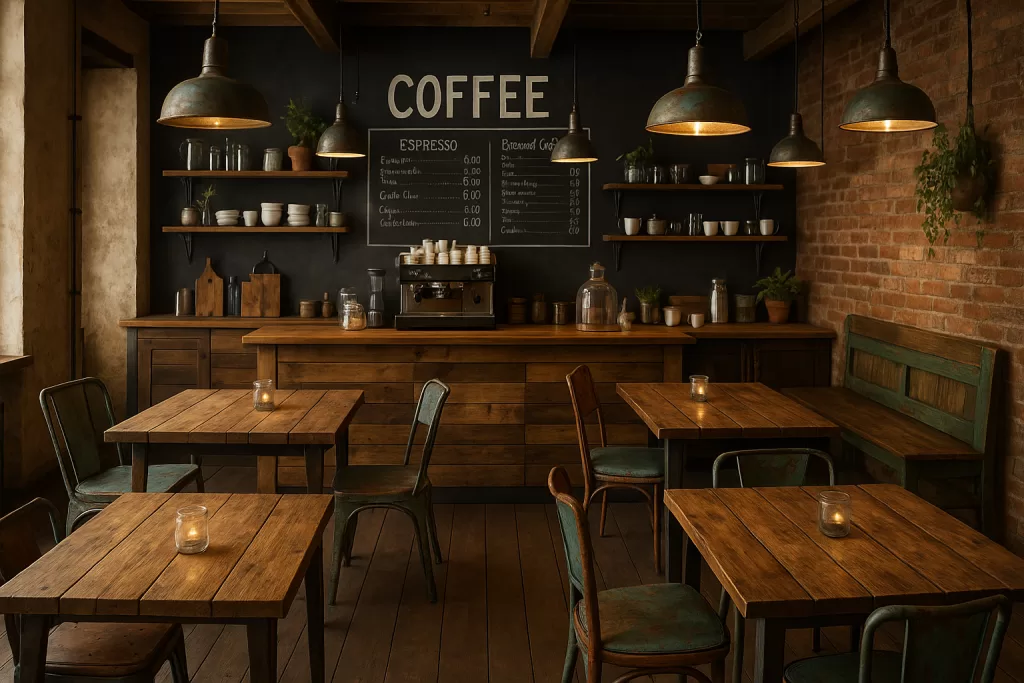
Local Sourcing Partner with local artisans and suppliers for furniture, artwork, and decorative elements. This supports your community while reducing transportation costs and environmental impact.
Energy-Efficient Solutions
LED Lighting LED bulbs use significantly less energy than traditional options and last longer, reducing maintenance costs and environmental impact.
Energy-Efficient Appliances Choose ENERGY STAR certified equipment for coffee machines, refrigeration, and HVAC systems to reduce utility costs and environmental footprint.
Instagram-Worthy Design Features
Social media marketing is crucial for coffee shops, and design elements that encourage customer photos can significantly boost your online presence and word-of-mouth marketing.
Photo-Friendly Backdrops
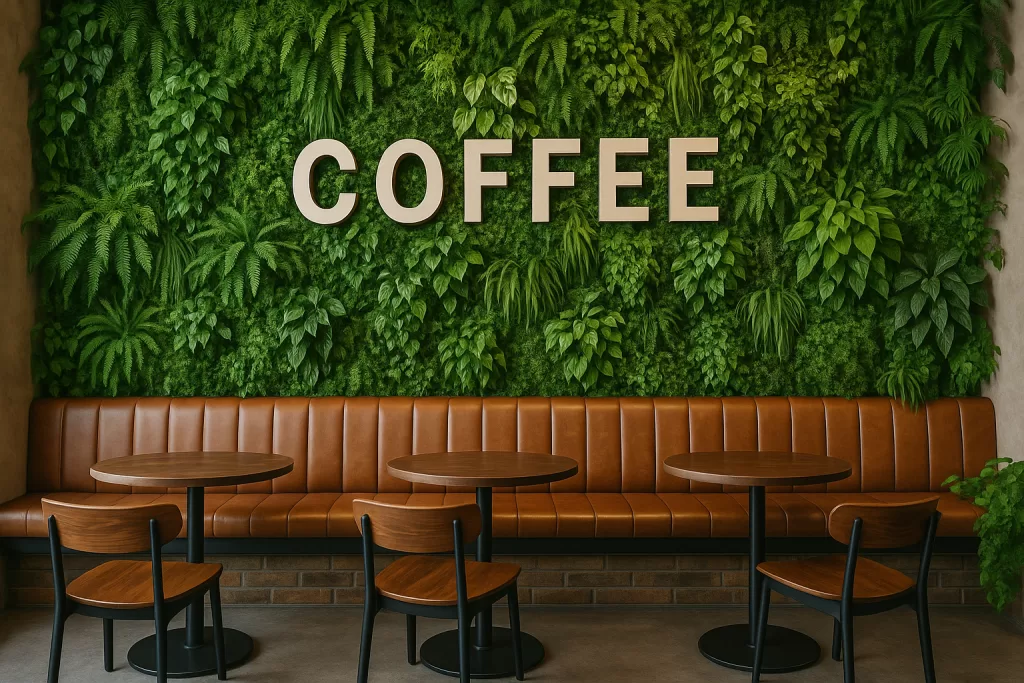
Statement Walls Create distinctive wall treatments that serve as natural photo backgrounds:
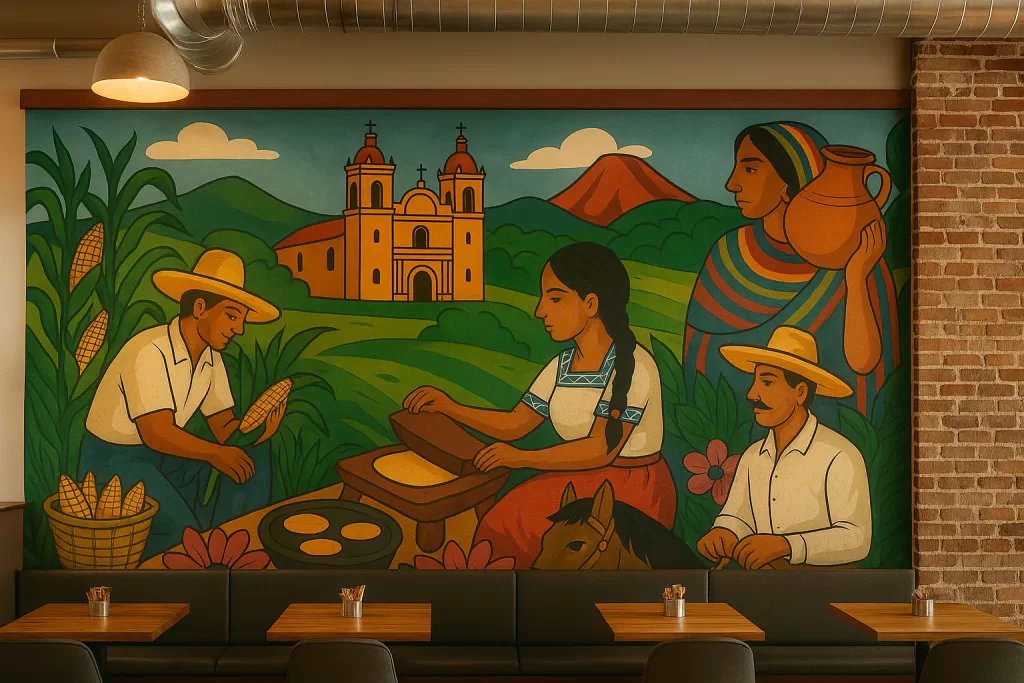
- Hand-painted murals reflecting local culture
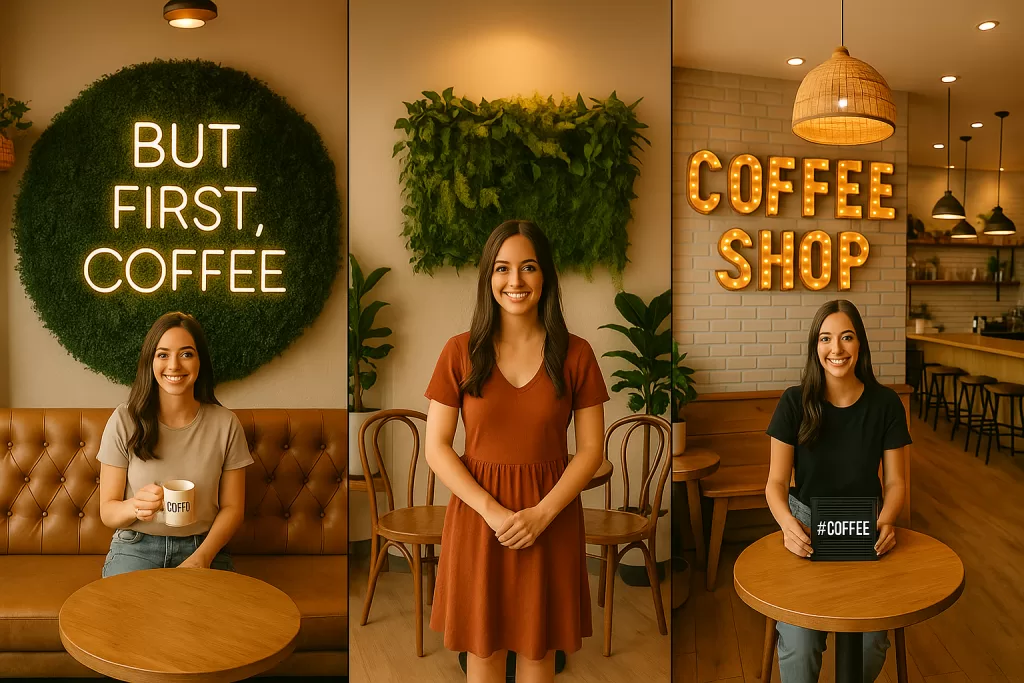
- Living walls with plants and greenery
- Textured materials like exposed brick or wood paneling
- Typography featuring your brand message or local sayings
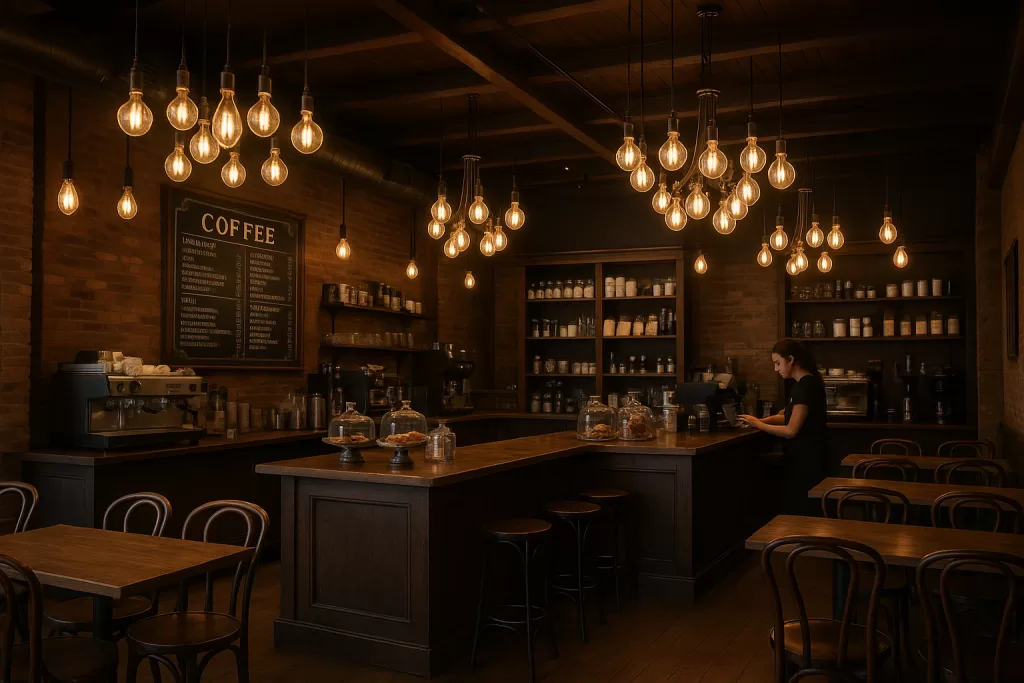
Unique Lighting Features Statement lighting fixtures become focal points that customers love to photograph:
- Industrial pendant lights over communal tables
- String lights creating warm ambiance
- Neon signs with your brand or motivational messages
- Edison bulb chandeliers for vintage appeal
Interactive Design Elements
Chalkboard Walls Interactive chalkboard surfaces allow customers to leave messages, creating user-generated content and community engagement. These walls become dynamic art pieces that change constantly.
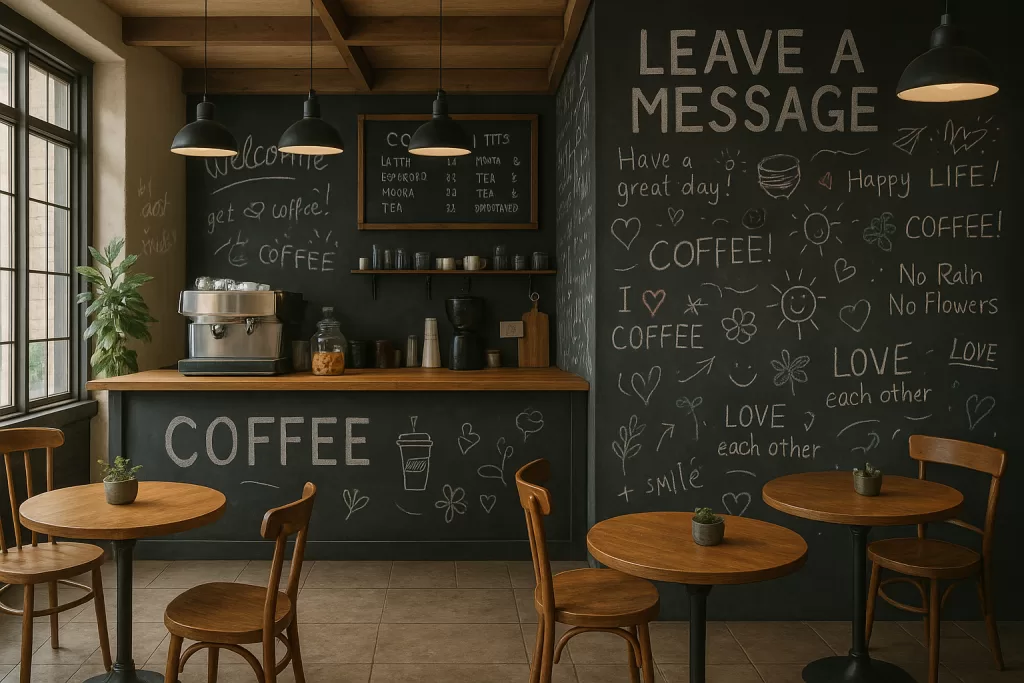
Photo Props and Designated Selfie Spots Create designated areas with good lighting and attractive backgrounds specifically for customer photos. Consider providing props like branded mugs or signs that encourage social sharing.
Budget-Friendly Design Hacks
Creating an attractive coffee shop doesn't require unlimited funds. Smart design choices can achieve maximum impact while staying within budget constraints.
DIY Solutions
Painted Accent Walls A fresh coat of paint in an accent color can dramatically transform a space for minimal cost. Consider geometric patterns or ombre effects for added visual interest.
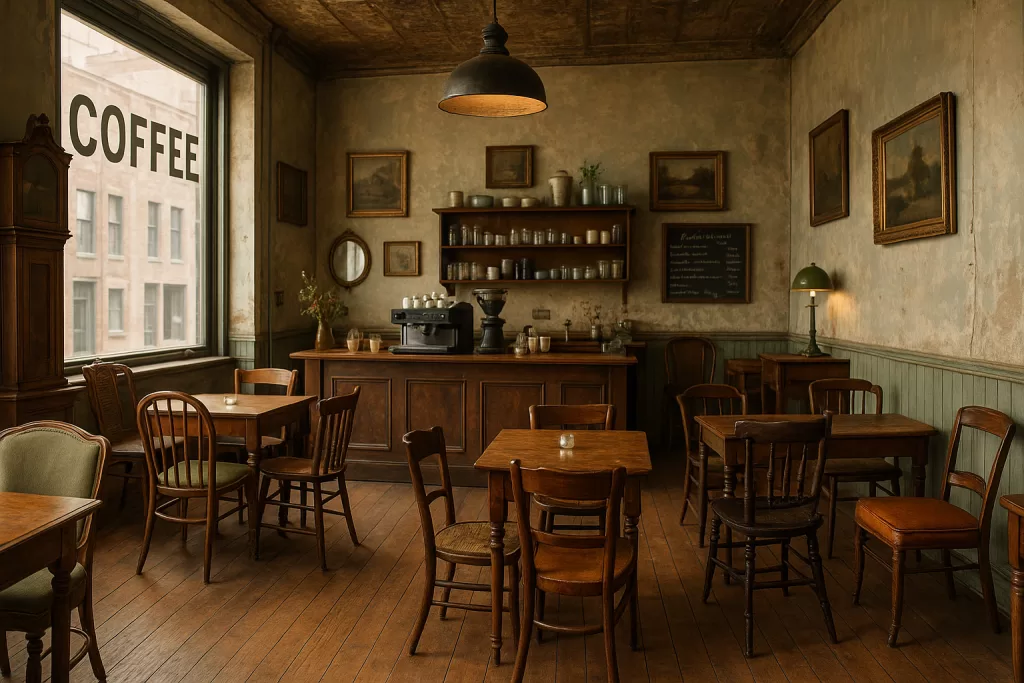
Thrift Store and Vintage Finds Scour thrift stores, estate sales, and online marketplaces for unique furniture pieces that can be refinished or repurposed. Mismatched vintage chairs add character and charm while keeping costs low.
Plant Arrangements Greenery adds life and freshness to any space. Low-maintenance plants like pothos, snake plants, or succulents require minimal care while providing maximum visual impact.
Multipurpose Design Elements
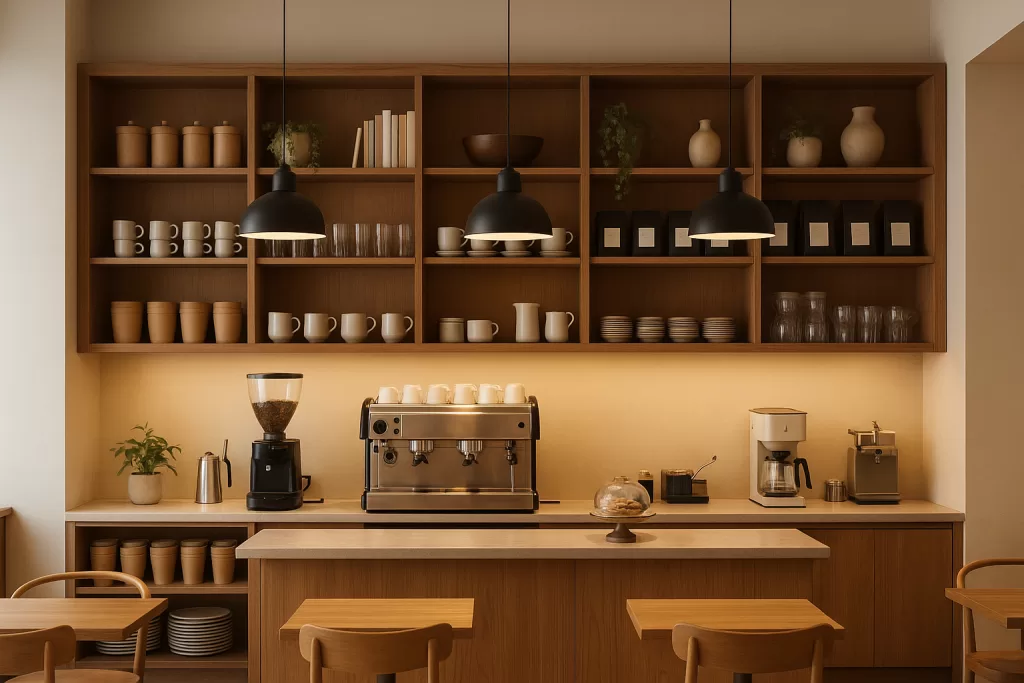
Storage That Doubles as Decor Built-in shelving serves both functional and aesthetic purposes, providing storage for supplies while displaying products, books, or decorative items.
Furniture with Multiple Functions Ottoman storage seats, tables with built-in storage, and modular furniture pieces maximize functionality while minimizing costs and space requirements.
Creating Different Zones for Various Customer Needs
Modern coffee shops serve diverse customer needs, and thoughtful zoning ensures everyone finds their perfect spot while maximizing space utilization.
Work-Friendly Zones
Quiet Study Areas Designate spaces specifically for laptop users and students with:
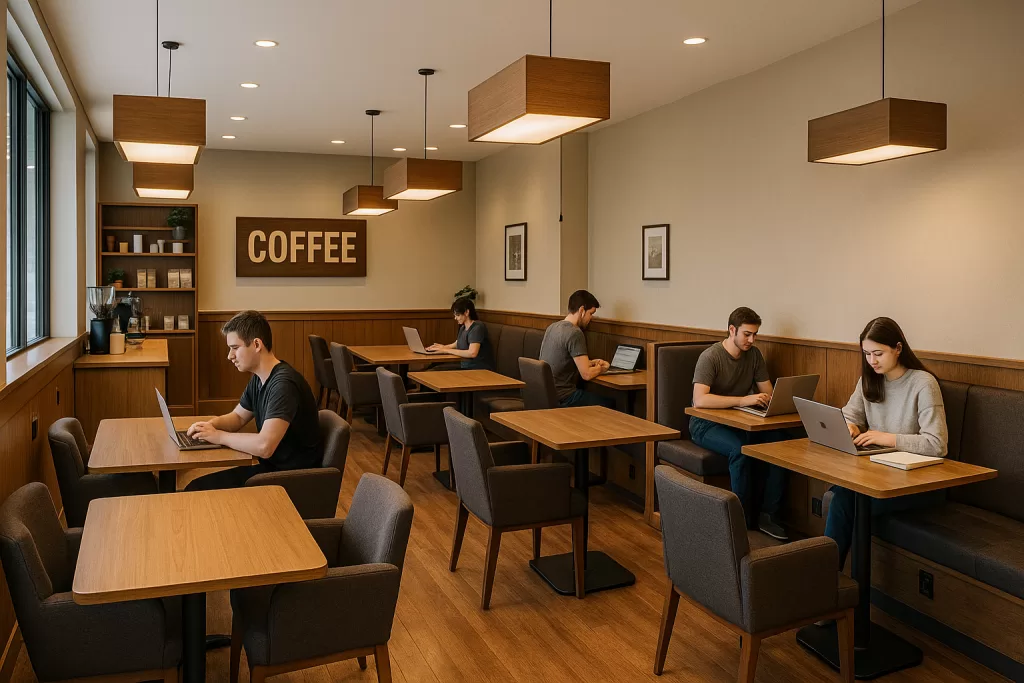
- Comfortable seating for extended periods
- Adequate desk space for laptops and notebooks
- Easy access to power outlets
- Reduced foot traffic and noise levels
- Good lighting for reading and screen work
Business Meeting Spaces Create semi-private areas suitable for small business meetings or interviews with slightly separated seating and lower ambient noise levels.
Social and Community Spaces
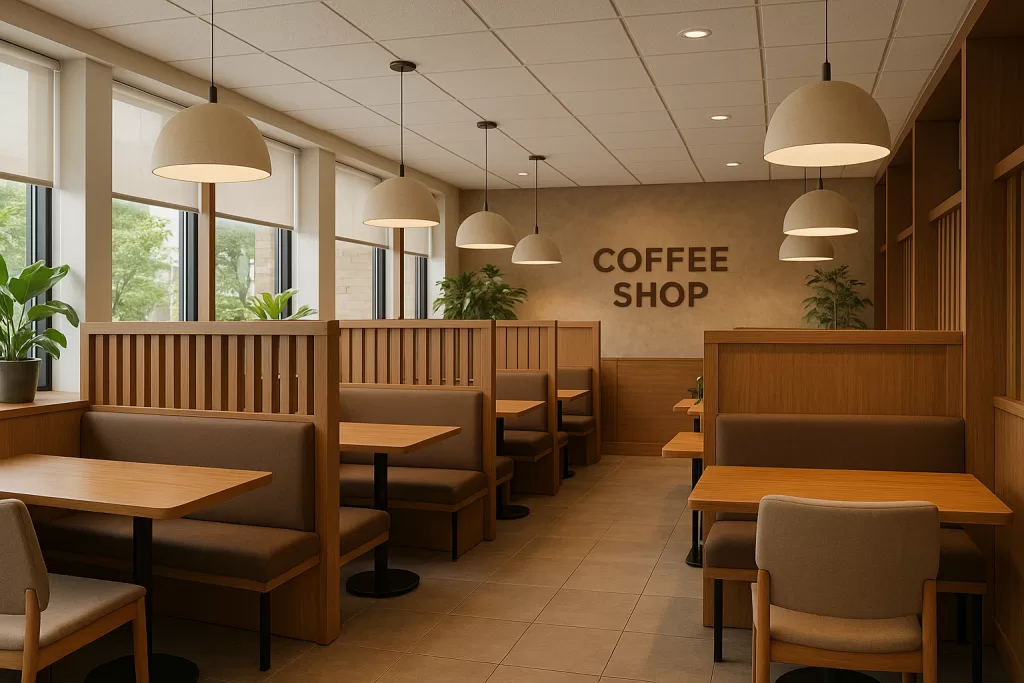
Conversation Areas Design spaces that encourage interaction with:
- Facing seating arrangements
- Comfortable sofas and chairs
- Coffee table books and magazines
- Slightly higher noise tolerance
Event and Performance Spaces Flexible areas that can accommodate live music, poetry readings, or community events help establish your café as a cultural hub while generating additional revenue streams.
Branding Through Interior Design
Your interior design should reinforce your brand identity and create a memorable experience that distinguishes you from competitors.
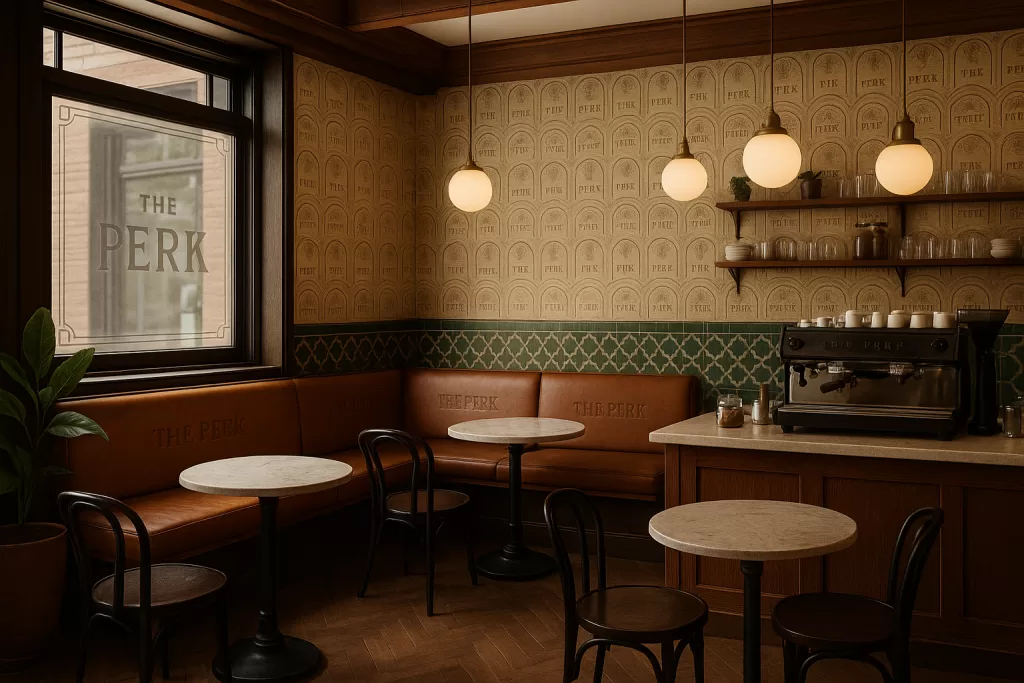
Visual Brand Elements
Logo Integration Incorporate your logo subtly throughout the space without overwhelming customers:
- Etched into glass surfaces
- Embossed on leather seating
- Incorporated into tile patterns
- Featured on custom wallpaper or murals
Brand Color Implementation Use your brand colors strategically throughout the space in ways that feel natural and appealing rather than forced or overwhelming.
Storytelling Through Design
Local History and Culture Reflect your community's character through design elements that tell local stories:
- Historical photographs of the neighborhood
- Local artist collaborations
- Materials sourced from local suppliers
- Design elements that reference local landmarks or traditions
Your Coffee Journey Share your coffee story through design elements that educate customers about your sourcing, roasting process, or company values.
Acoustics and Sound Design
Sound significantly impacts customer experience and dwell time. Poor acoustics can drive customers away, while thoughtful sound design enhances atmosphere and encourages longer visits.
Noise Control Solutions
Sound-Absorbing Materials Incorporate materials that reduce echo and ambient noise:
- Upholstered furniture and cushions
- Carpet or rugs in seating areas
- Acoustic panels disguised as artwork
- Plants that naturally absorb sound
Strategic Layout Planning Position noisy equipment away from seating areas and create buffer zones between high-traffic areas and quiet work spaces.
Background Music Strategy
Volume and Genre Selection Keep music at conversation-friendly levels (around 70 decibels) and choose genres that appeal to your target demographic while maintaining a consistent mood throughout the day.
Playlist Curation Create custom playlists that reflect your brand personality and adjust throughout the day to match energy levels and customer needs.
Seasonal Design Adaptability
Keeping your space fresh and engaging requires adaptability for different seasons and occasions while maintaining your core brand identity.
Flexible Decorative Elements
Changeable Displays Design systems that allow easy updates:
- Removable artwork displays
- Seasonal plant arrangements
- Interchangeable throw pillows and accessories
- Modular shelving for rotating displays
Holiday and Event Decorations Create spaces where seasonal decorations feel natural and integrated rather than forced or overwhelming.
Lighting Adaptations
Seasonal Lighting Adjustments Adjust lighting schemes to complement seasonal changes:
- Warmer, cozier lighting during winter months
- Brighter, more energetic lighting during summer
- Special lighting for holidays or events
Maintenance and Longevity Considerations
Design choices should balance aesthetic appeal with practical maintenance requirements to ensure your space continues looking great while controlling operating costs.
Durable Material Selection
High-Traffic Area Materials Choose materials that withstand heavy use while maintaining appearance:
- Commercial-grade flooring that resists stains and wear
- Furniture with sturdy construction and easy-to-clean surfaces
- Wall finishes that can be easily touched up or cleaned
Stain and Damage Resistance In a coffee environment, spills are inevitable. Select materials and finishes that resist staining and can be easily cleaned or refinished.
Easy Cleaning Protocols
Design for Cleanability Avoid design elements that create cleaning challenges:
- Minimize hard-to-reach crevices and corners
- Choose furniture that can be easily moved for floor cleaning
- Use materials that don't require special cleaning products or procedures
Technology and Future-Proofing Your Design
Consider how technology will evolve and ensure your design can adapt to future needs without major renovations.
Infrastructure Planning
Electrical and Data Requirements Install adequate electrical capacity and data infrastructure to accommodate future technology upgrades without major construction.
Flexible Technology Integration Design spaces that can accommodate new technologies as they emerge without disrupting your overall aesthetic or requiring major modifications.
Digital Integration Opportunities
Interactive Displays and Kiosks Plan spaces where digital ordering kiosks or interactive displays could be added as customer preferences evolve.
Smart Building Features Consider infrastructure for smart lighting, climate control, and security systems that can be controlled remotely and programmed for different times of day or seasons.
Measuring Design Success
Track metrics that help you understand how your design choices impact business performance and customer satisfaction.
Customer Behavior Analytics
Dwell Time Measurement Monitor how long customers stay in different areas of your space to understand which design elements encourage longer visits and higher spending.
Space Utilization Tracking Observe which seating areas are most popular and which remain underutilized to inform future layout adjustments.
Financial Performance Indicators
Sales Per Square Foot Calculate revenue generated per square foot of space to understand which areas are most profitable and worth replicating or expanding.
Customer Satisfaction Scores Regular customer surveys about space comfort, functionality, and atmosphere provide valuable feedback for continuous improvement.
Conclusion: Bringing Your Coffee Shop Design Vision to Life
Creating a successful coffee shop design requires balancing aesthetics, functionality, and business objectives while staying true to your brand identity and community needs. The best designs don't just look beautiful – they create experiences that keep customers coming back and encourage them to stay longer, spend more, and share their positive experiences with others.
Remember that great design is an investment in your business's future success. While initial costs may seem substantial, thoughtful design choices pay dividends through increased customer satisfaction, higher average transaction values, improved operational efficiency, and strong word-of-mouth marketing.
Start with a clear vision of your brand identity and target customers, then make design decisions that support those goals. Whether you're working with a limited budget or have extensive resources, focus on creating a space that feels authentic, welcoming, and memorable.
Most importantly, remember that your coffee shop design should evolve with your business and community. Stay flexible, listen to customer feedback, and be willing to make adjustments that keep your space fresh and relevant. With careful planning and thoughtful execution, your coffee shop can become more than just a place to buy coffee – it can become a beloved community gathering place that customers consider their "third place" between home and work.
The coffee shop industry continues growing, but success belongs to those who understand that great coffee is just the beginning. Outstanding design creates the foundation for building lasting customer relationships and a thriving business that stands the test of time.
Related Posts

Comments (0)
No comments yet. Be the first to comment!