
Decorate with Burlap

✨ Updated July 2026 — reviewed for accuracy and freshness.
Hessian earns its place in a room through texture, not colour — it behaves like a warm neutral that happens to have a coarse surface. Below the gallery we look at where an open jute weave genuinely works, where it tips into looking dated, and the practical problems nobody mentions: shedding, fraying edges and how to clean something that must not get soaked.
Key Takeaways
- Texture works as a neutral — a coarse weave adds interest without adding another colour.
- Small doses read best — one runner, cushion or shade rather than every surface in the room.
- Loose weave frays and sheds — finish cut edges before the piece gets handled.
- Jute dislikes damp — spot clean, dry flat, and keep it out of bathrooms and basements.

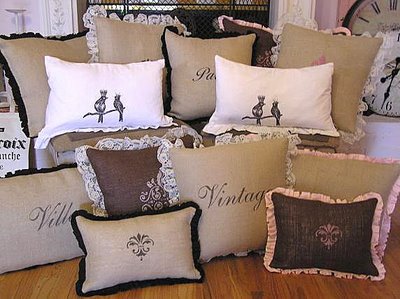 What I love the most about Burlap is that it can be used for rough use such as furniture and also can be used as elegant material for place setting. Enjoy the versatility of this beautiful fabric. Link
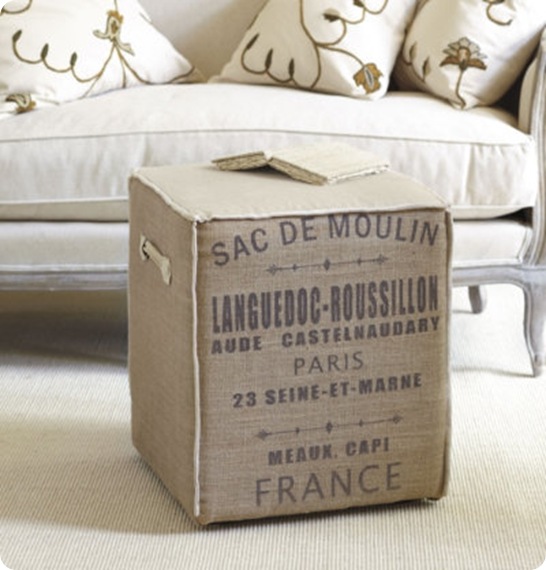 Link
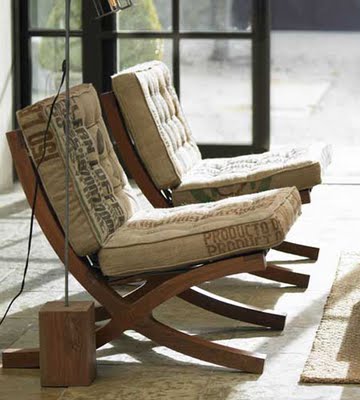
Link
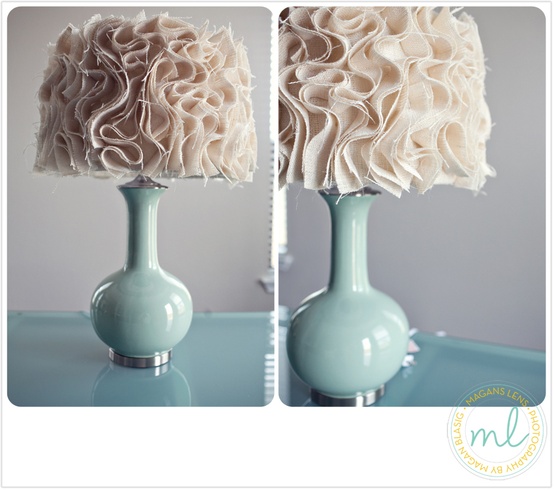
 Refurnish your old accessories such as lamps, candle holders, mantle pieces with this soothing fabric. Link
 Elegance of Burlap can be easily seen in these photographs, right from the candle holders to seating arrangement, you can use burlap in various forms to give a fall wedding perfect look. Combine it with lace, satin and you have your theme ready. Plus easy on pockets! Link
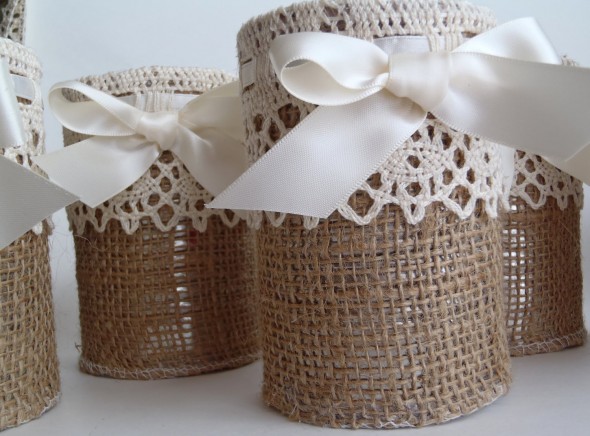
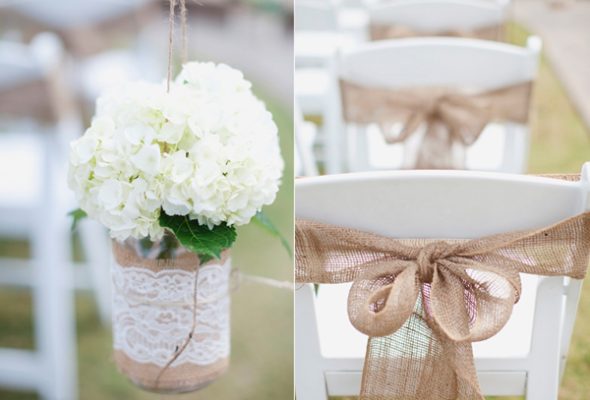
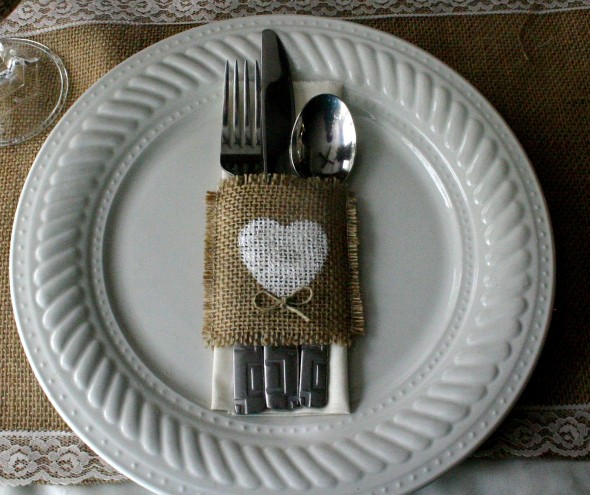
Using a Coarse Natural Weave Without Dating the Room
Burlap, or hessian, is a plain-woven cloth made from jute fibre in thick, loosely twisted yarns. That construction is the whole story: the open weave and low twist are why it looks rustic, why it frays, and why it sheds. In decorating terms its value is textural rather than chromatic — it reads as a warm neutral, so it adds interest without committing you to another colour. It shows to best effect against smooth things: glazed ceramic, glass, painted wood, polished metal, crisp linen.
It works best on pieces that are looked at more than touched, and on pieces that benefit from looking unfussy. A runner under a centrepiece, the back of a cushion, a covered lampshade that filters light warmly, a lined basket, a wrapped pot cover, a pinboard. It is also a good corrective in a room that has gone too slick — one coarse element takes the shine off a space full of gloss and glass.
Where it goes wrong is quantity and combination. Jute cloth everywhere, especially stacked with lace, mason jars, chalkboard signs and bunting, is a look so widely copied that it now dates a room on sight. It is also the wrong material against skin, on anything you launder often, and on seat cushions in daily use, where the low-twist yarn abrades and sags. Better to use one or two pieces, cleanly hemmed, in a room that is otherwise current.
Shedding and fraying are manageable if you plan for them. New jute gives off loose fibres and has a vegetal, slightly oily smell from its processing oils, so air a new piece out for a few days before it goes into a bedroom. Every cut edge will unravel: finish it with a double hem, a zigzag or serged edge, iron-on hem tape, or a thin bead of fray sealant. For a deliberate fringe, pull threads back to a straight line and run a row of stitching just above it so the unravelling stops there. Line cushion covers so fibres do not work their way through onto clothes.
Care is simple as long as you stay dry. Jute is absorbent and prone to water marks and mildew, so do not soak it and do not put it through a machine unless the maker says it is washable. Vacuum with an upholstery attachment or brush it, spot clean with a barely damp cloth and mild soap, blot rather than rub, and dry flat away from direct heat. Expect a natural fibre to lighten in strong sun. Skip bathrooms, laundry rooms, basements and outdoor use unless the piece is a treated or laminated version made for it.
Frequently Asked Questions
Does burlap shed fibres in the house?
New jute cloth does shed, because the yarns are thick and loosely twisted. Air and shake a new piece outdoors for a few days, and line cushion covers with an inner cover so loose fibres do not transfer onto clothing.
How do you stop burlap from fraying when you cut it?
Finish the edge straight away with a double hem, a zigzag or serged stitch, iron-on hem tape, or a thin line of fabric glue or fray sealant. For a deliberate fringe, pull threads back to a straight line then stitch a row just above it to stop the unravelling there.
Can burlap be washed in a washing machine?
Generally no, unless the maker specifically says it is washable. Jute absorbs water, marks easily and can shrink or distort, so spot clean with a barely damp cloth and mild soap, blot, and dry flat.
Why does new burlap have a strong smell?
It comes from the oils used in processing the jute fibre, and it is normal in a new piece. Airing it outdoors for several days in a dry spot reduces it considerably, and the smell fades further with time.
How do I use burlap without the room looking dated?
Treat it as one texture among many rather than a theme. A single cleanly hemmed piece against smooth surfaces looks intentional, whereas stacking it with lace, jars, bunting and chalkboard signs recreates a very specific look people already recognise.
Related Posts
Spring Decoration Ideas for Teen/Tween Room

Baby Girl Nursery Decoration Ideas
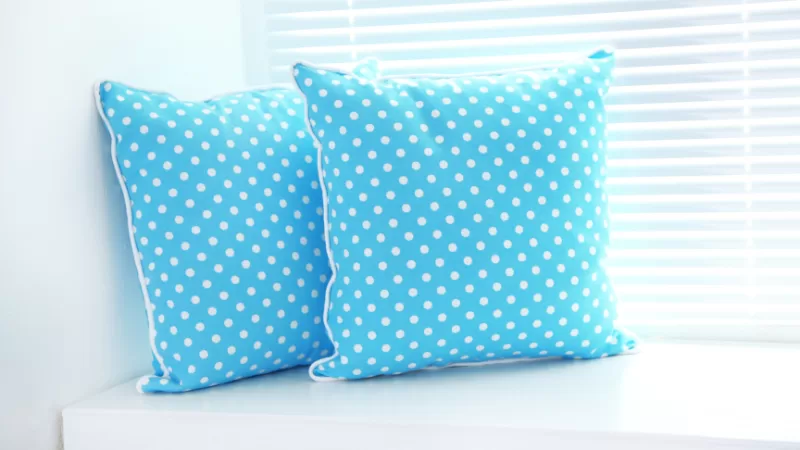
Decorating Your Home with Polka Dots: The Ultimate Guide
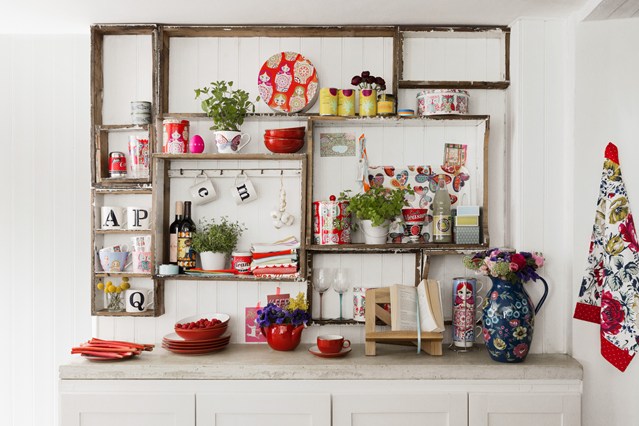
Creative Kitchen Display and Storage Ideas

Beach Inspired Bathroom Decorating Ideas to Transform Your Space
Beach inspired bathroom ideas: coastal color palettes, natural materials, layered lighting, storage and DIY projects for spaces large and small.
Comments (0)
No comments yet. Be the first to comment!