
DIY Lampshades

✨ Updated July 2026 — reviewed for accuracy and freshness.
A lampshade is not just a cover for the bulb — its silhouette decides where the light goes and its lining decides what colour that light turns. Below the projects we break down drum, empire and cone shapes, what a white versus a gold liner does to a room, how to identify the fitter you need, and the clearance a bulb must have.
Key Takeaways
- Shape aims the light — a drum washes up and down, an empire pushes it down and out.
- The liner tints everything — white stays neutral while a gold liner casts a warm glow.
- Fitters are not interchangeable — spider, uno and clip-on shades each attach differently.
- Bulb clearance is a fire issue — keep the gap the shade and fixture specify, never less.
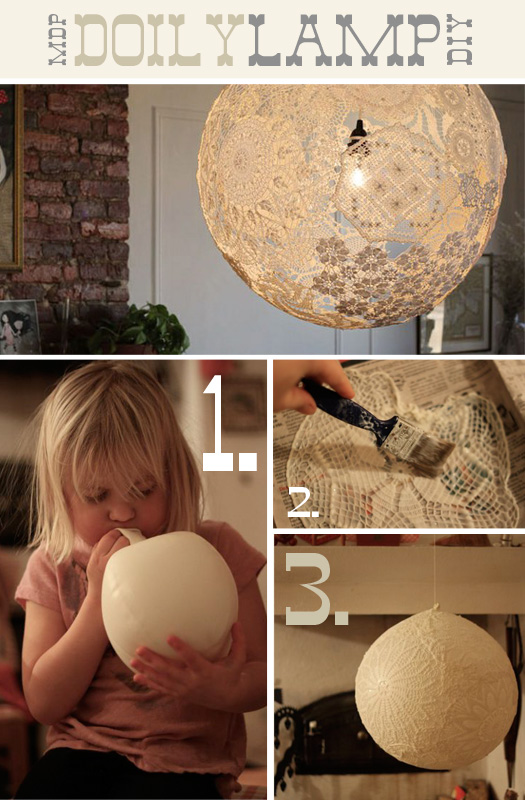
 Doily Lamp
One of my favorite! Simple and elegant design to make any dull space look bright. Link
Doily Lamp
One of my favorite! Simple and elegant design to make any dull space look bright. Link
 Brass Lamp Makeover
Put a new life to your old brass lamp, little makeover can change the look and feel of your old lamp. Link
Brass Lamp Makeover
Put a new life to your old brass lamp, little makeover can change the look and feel of your old lamp. Link
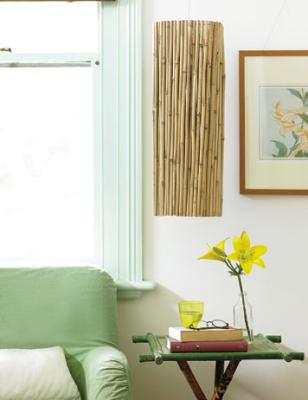
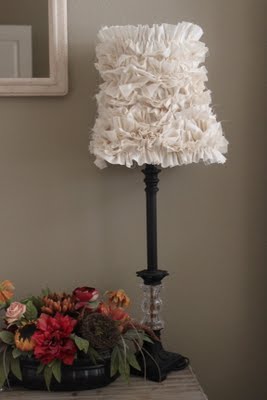
 Ruffled Lampshade
Pastel beauty on the corner of your bed, this ruffled lampshade is perfect for you if you are looking to add a tone to your room. Link
Ruffled Lampshade
Pastel beauty on the corner of your bed, this ruffled lampshade is perfect for you if you are looking to add a tone to your room. Link
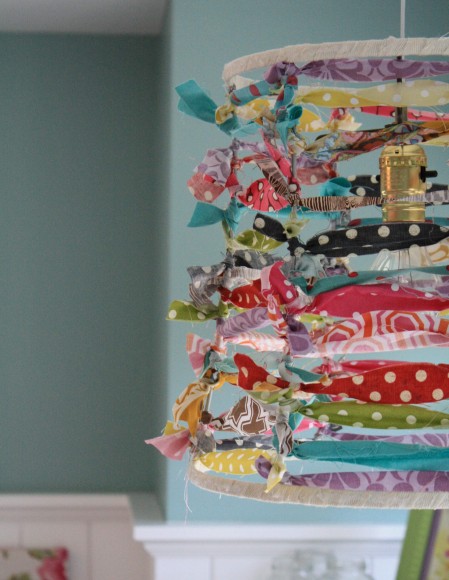
 Scrappy Lampshade
Put a good use to all those old ribbons or rugged clothes. Create your own colorful lampshade. Link
Scrappy Lampshade
Put a good use to all those old ribbons or rugged clothes. Create your own colorful lampshade. Link
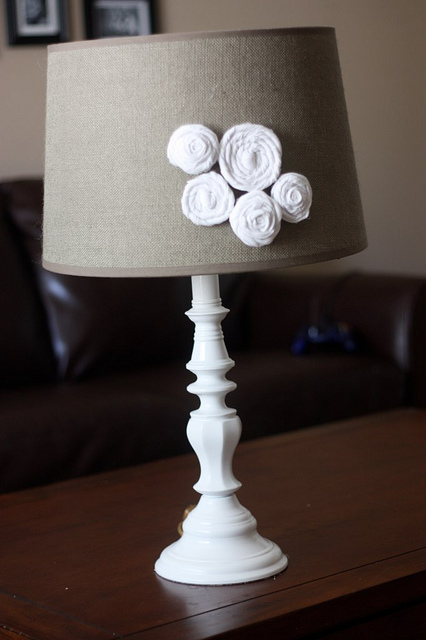
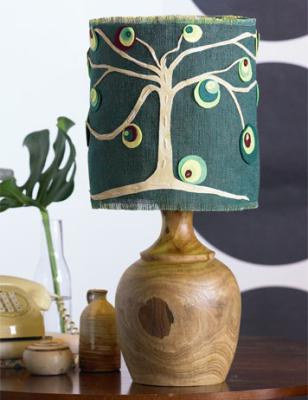
 Tree of Light
A turned wood base gives this lamp a handsome finish. Cut a tree shape from felt and attach it to the shade using adhesive applied with an old paintbrush.
Tree of Light
A turned wood base gives this lamp a handsome finish. Cut a tree shape from felt and attach it to the shade using adhesive applied with an old paintbrush.
Shape, Liner and Fitter: How a Shade Actually Behaves
A shade has two jobs: hide the bare bulb and shape the beam. Opacity decides the character. An opaque fabric or card shade lets light escape only through the top and bottom openings, so you get two bright pools and a dark middle — dramatic, and good beside a reading chair. A translucent shade in linen, paper or silk glows across its whole surface and lifts the light level of the room, which suits a lamp doing general duty.
Silhouette is the next decision. A drum has the same diameter top and bottom, so it throws light evenly up and down and reads as clean and modern. An empire narrows at the top and flares at the bottom; the angled sides push light down and outward, putting a brighter pool on the table. A cone or coolie flares hard and sends almost everything downward — excellent over a console or a hall table, but it leaves the ceiling dark, so pair it with something else in the room.
The liner is the reflector, and people underestimate it. A white or off-white interior is neutral and renders colours honestly. A gold, brass or champagne liner warms everything it touches and is genuinely flattering in a bedroom or dining room. A dark interior absorbs light instead of bouncing it, so the lamp looks moody but dim and needs a higher-output bulb to compensate. If you are covering a frame in patterned fabric, switch the lamp on before you commit: pattern that barely registers by day can be loud once it is backlit.
Fitters catch people out when buying or reusing a shade. A spider fitter sits on a metal harp above the socket and is held with a finial. An uno fitter has a ring that threads over the socket itself and is common on swing-arm and bridge lamps. A clip-on grips the bulb directly and suits small candelabra bulbs. Measure and identify the fitter on your lamp, not just the shade diameter, because the three do not swap.
Finally, the safety part. Keep the bulb at the clearance the shade and the fixture specify — material sitting too close to a lamp is a heat and fire risk, and adding trim, glue or a fabric layer inside a shade reduces that gap. Never block the top opening, which is how heat escapes, and never exceed the maximum wattage marked on the fixture. LED lamps run cooler but do not remove the clearance requirement. Any rewiring or socket work should follow the fixture's own rating and your local electrical codes; beyond plugging a lamp in, have a licensed electrician do it.
Frequently Asked Questions
What is the difference between a drum and an empire lampshade?
A drum is the same width top and bottom, so it spreads light evenly upward and downward. An empire is narrower at the top and flares out at the bottom, angling more of the light down onto the surface below.
Does the lining colour of a lampshade change the light?
Yes, noticeably. A white liner reflects neutral light and keeps colours true, a gold or champagne liner warms the light, and a dark liner absorbs it so the lamp looks moodier and dimmer for the same bulb.
How much space should there be between the bulb and the shade?
Follow the clearance stated by the shade and the fixture rather than guessing, and never reduce it by adding lining or trim inside. Material too close to a hot lamp is a heat and fire risk, and the top opening must stay clear so heat can escape.
What is an uno fitter on a lampshade?
An uno fitter is a ring built into the shade that threads directly over the lamp socket, instead of resting on a harp. It is common on swing-arm and bridge lamps, and it will not fit a lamp designed for a spider fitter.
Why does my lamp look dim even with a bright bulb?
Usually the shade rather than the bulb. A dark or heavily opaque shade absorbs and blocks most of the output, so try a paler translucent shade or a lighter liner before reaching for a higher wattage.
Related Posts

Comments (0)
No comments yet. Be the first to comment!