
Creative DIY Coffee Table

✨ Updated July 2026 — reviewed for accuracy and freshness.
Turning a crate, a cart, or a stack of suitcases into a coffee table is the fun part; getting the height, the span, and the finish right is what makes it a piece you keep. A table that sits two inches too low or flexes under a stack of books will quietly annoy you forever. So before the paint comes out, here are the numbers and finishes worth planning around.
Key Takeaways
- Height follows the sofa — build the top to roughly the height of the sofa seat.
- Length and gap — aim for two-thirds the sofa's length and 16 to 18 inches of legroom.
- Unsupported spans flex — a long thin top needs an apron, cleats, or a center support.
- Finish for real life — thin coats of a hard clear finish beat wax under drinks.
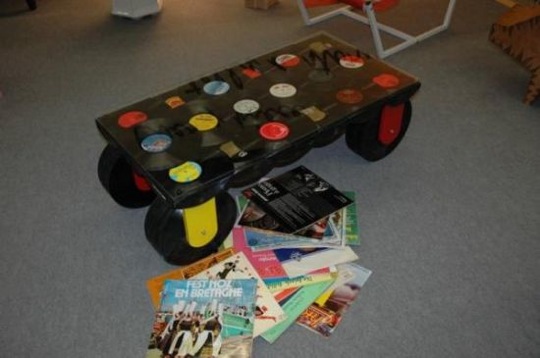 Vintage Suitcase Table
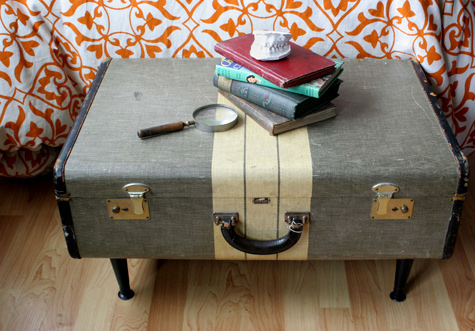
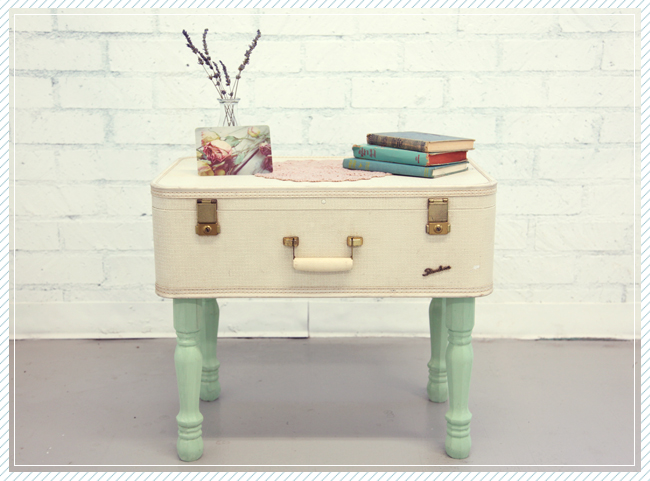
If vintage is your style, these old suitcases will make a very nice coffee table or side table for the bedroom. Tutorial
Vintage Suitcase Table
If vintage is your style, these old suitcases will make a very nice coffee table or side table for the bedroom. Tutorial
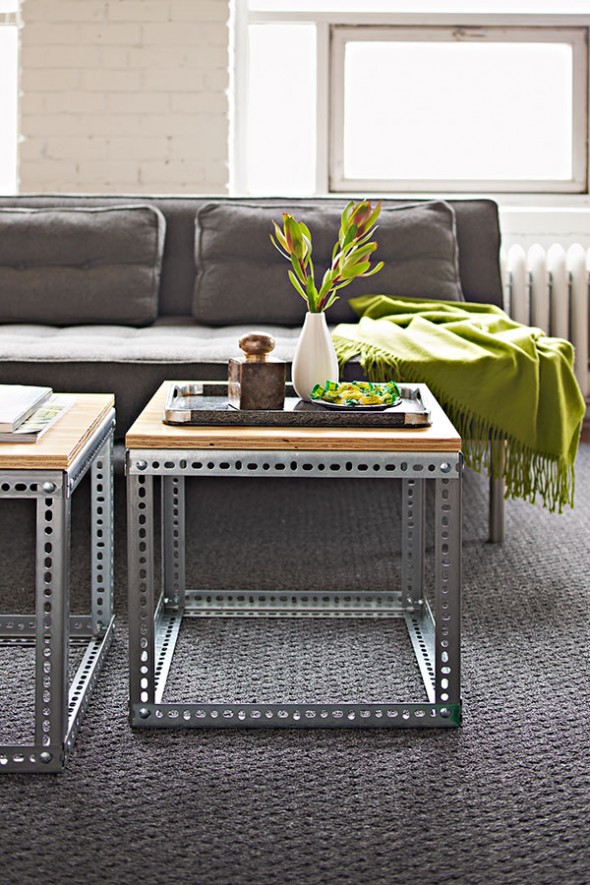
 Industrial Racks
Simple and made elegant by adding a wooden top, these racks are easy to handle and clean.
Industrial Racks
Simple and made elegant by adding a wooden top, these racks are easy to handle and clean.
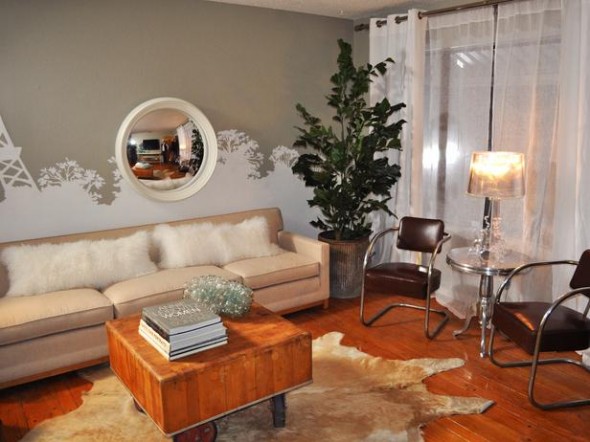
 Factory Carts
Block style cart makes a wonderful contrast to its modern surroundings.
Factory Carts
Block style cart makes a wonderful contrast to its modern surroundings.
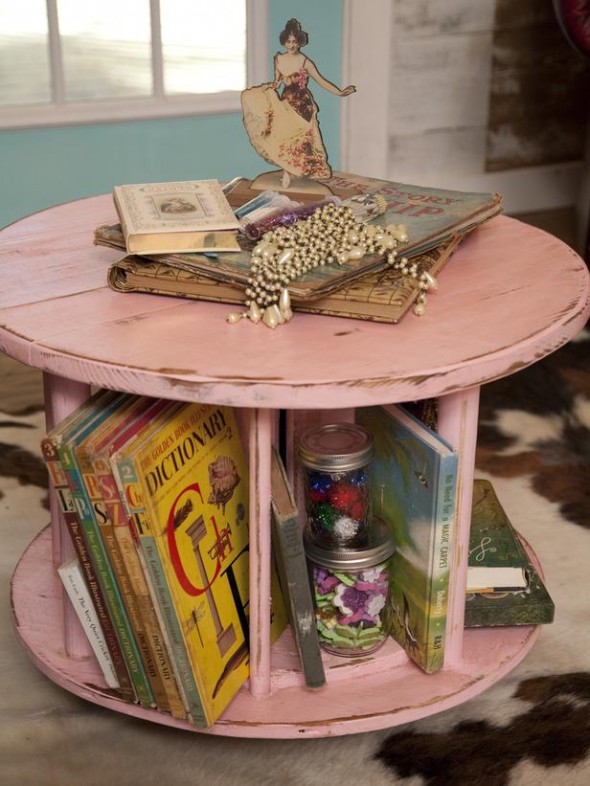
 Wire Spindle
Wire spindle can be beautifully converted into coffee table and book rack with help of little paint.
Wire Spindle
Wire spindle can be beautifully converted into coffee table and book rack with help of little paint.
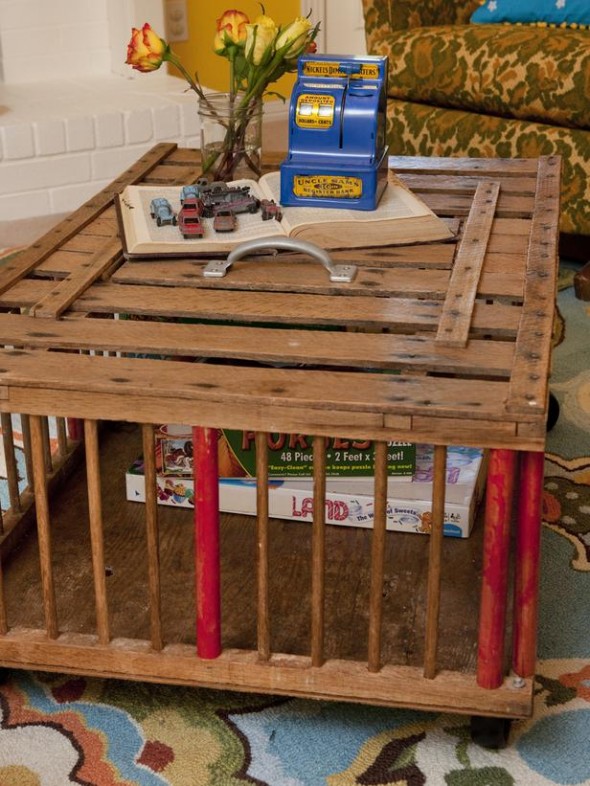
 Poultry Crates
Poultry crate can be converted into storage cum coffee table. Paint in vibrant colors to add a charm to the surroundings.
Poultry Crates
Poultry crate can be converted into storage cum coffee table. Paint in vibrant colors to add a charm to the surroundings.
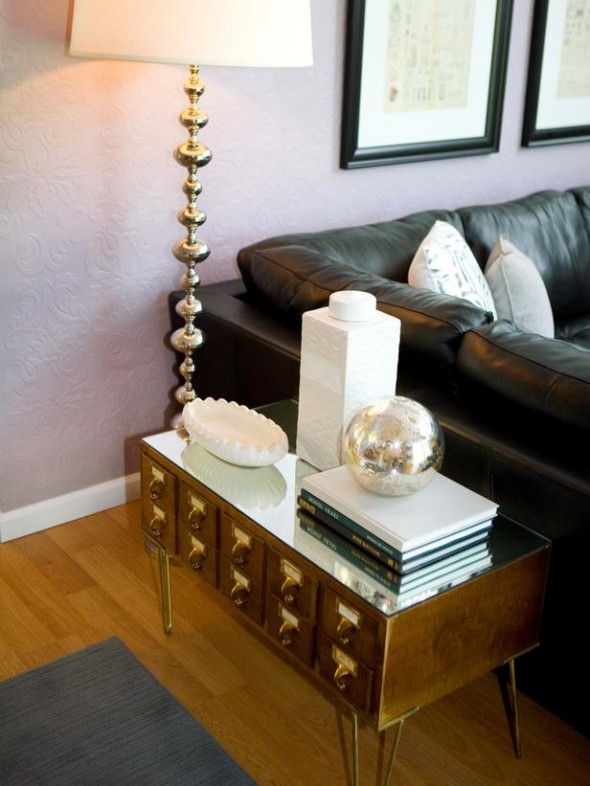
 Decimal Table
Experiment is the key, this library card catalog holder found new look by adding metal legs to it.
Decimal Table
Experiment is the key, this library card catalog holder found new look by adding metal legs to it.
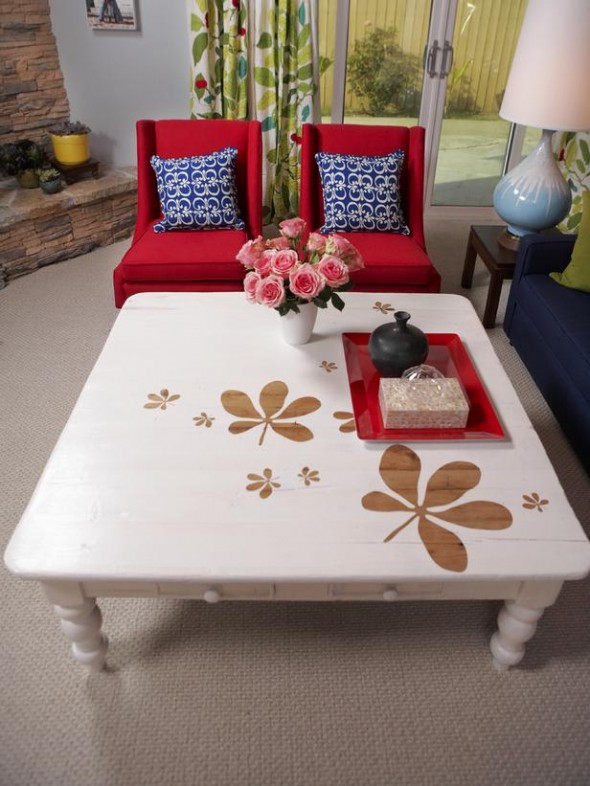
 Reverse Stencil
Floral print on white base brings new life to an old original wood finish.
Reverse Stencil
Floral print on white base brings new life to an old original wood finish.
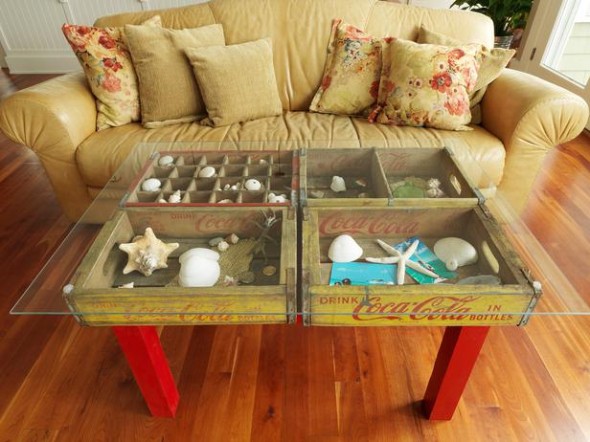
 Wood Soda Crates
Four old soda crates attached to make a combination of coffee table and shadow box. Fits for both outdoor and indoor use.
Wood Soda Crates
Four old soda crates attached to make a combination of coffee table and shadow box. Fits for both outdoor and indoor use.
 Courtesy(designs & pictures): DIY Network
Height, Span, and Finish: the Three Things to Get Right
Height comes first, and it is measured from the sofa, not from a catalogue. Sit down, press the cushion as your weight would, and measure floor to cushion top; then build your table to within an inch or two of that number, which for most sofas puts the finished top somewhere around 16 to 18 inches. Slightly lower than the seat looks relaxed and reads well; noticeably higher looks like a desk and gets in the way of sightlines. Remember to add the thickness of the top and any casters into that total before you cut legs, because wheels can easily add three inches you did not plan for.
Proportion and clearance come next. A table roughly two-thirds the length of the sofa looks deliberate, while a small square in front of a long sofa looks stranded. Leave about 16 to 18 inches between the sofa edge and the table so legs can pass and people can stand up without a shin barked, and keep around 30 inches of walking room on the open sides. If the piece is a repurposed cart or crate, check that its depth still lets you reach the middle of the table from the sofa.
Then deal with structure, which is where upcycled projects usually fail. A three-quarter-inch solid wood or plywood top will visibly flex once the unsupported span passes roughly 30 to 32 inches, so add an apron beneath the edges, screw cleats to the underside, or fit a center support or stretcher between the legs. Stretchers also stop the frame from racking, which is the wobble that appears a month after assembly. Fasten with screws and glue rather than nails and hope, drill pilot holes near the ends of boards so nothing splits, and if you are adding casters, buy a set whose rated load comfortably exceeds anything you plan to pile on. Any glass top should be tempered with polished edges, never plain glass.
Finish for the way the table will really be used. Several thin coats of a hard clear finish, sanded lightly between coats, resist water rings and mug heat far better than a single thick coat. Oil and wax finishes look beautiful and are the easiest to repair, but they mark from water and heat, so keep coasters nearby. Let the finish cure fully rather than just dry, which can take several days, before setting anything on it. One safety note on salvage: paint on anything made before the late 1970s may contain lead, so do not sand or strip it. Test it or seal and skip the sanding.
Frequently Asked Questions
What height should a coffee table be?
Roughly the height of your sofa seat, give or take an inch or two, which usually falls between 16 and 18 inches. Measure the cushion while sitting on it so you account for compression. Err slightly low rather than high, since a table taller than the seat looks bulky and blocks sightlines across the room.
How long should a coffee table be compared with the sofa?
About two-thirds of the sofa's length is the reliable proportion, so a seven-foot sofa suits a table somewhere near four and a half feet. Much shorter and the table looks stranded in the middle of the seating. Leave 16 to 18 inches between the sofa and the table for legs and easy standing.
What finish protects a coffee table from drinks and heat?
A hard clear film finish built up in several thin coats gives the best resistance to water rings and warm mugs. Oil and wax finishes look lovely and repair easily but mark readily, so they suit tables that get coasters. Whichever you choose, let it cure fully for several days before real use.
How thick does a coffee table top need to be?
Three-quarter-inch stock is fine for spans up to roughly 30 inches, and beyond that it needs help. Add an apron around the edges, cleats underneath, or a center support rather than simply going thicker. Thickness alone is an expensive way to solve a problem that a well-placed support fixes.
Is it safe to reuse old painted wood for furniture?
Painted wood from before the late 1970s may carry lead paint, and sanding or stripping it releases lead dust, which is especially dangerous around children and pregnant women. Do not sand it. Either test the paint first, or leave the surface intact and seal it under a clear topcoat, choosing unpainted salvage when you want to sand.
Related Posts

Creative DIY Lights
A plain guide to layering ambient, task and accent light, choosing colour temperature in Kelvin room by room, and getting LED dimming to behave.
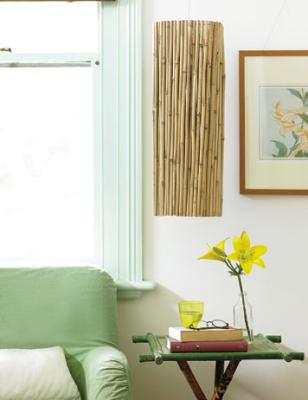
DIY Lampshades
How lampshade shape and liner colour change the light in a room, the difference between drum, empire and cone shades, fitter types and bulb clearance.
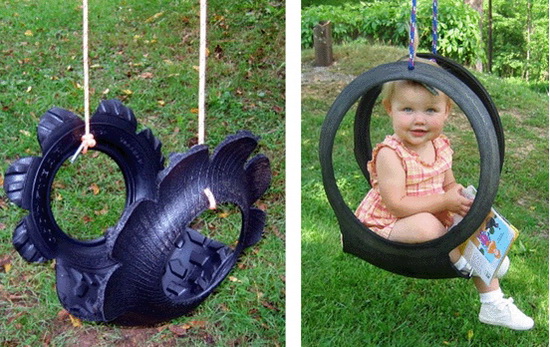
Outdoor Swing Ideas: Easy DIY Projects
Preparing Your Yard for Entertaining Guests
5 Ways To Improve Your Outdoor Space
Comments (0)
No comments yet. Be the first to comment!