
Creative Indoor Swings for Kids

✨ Updated July 2026 — reviewed for accuracy and freshness.
An indoor swing is really two decisions: the swing itself, and whatever it hangs from. This guide leans hard on the second half, because that is the part that has to be right. Below is what to settle before anything goes into a ceiling, how much empty floor a swinging child needs, and the supervision rules that come with active play indoors.
Key Takeaways
- Structure only — hang a swing from a structural joist or a manufacturer-rated mounting kit.
- Get help — ceiling mounting is work for a qualified contractor, not a weekend guess.
- Clear the zone — leave several feet of empty floor ahead, behind and either side of the seat.
- Always supervised — indoor swings are for watched play, never unattended or overnight use.
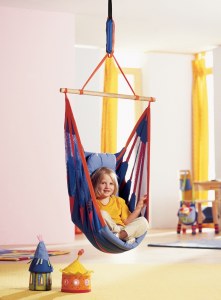
 Easy to place and can be used outdoors as well. Link
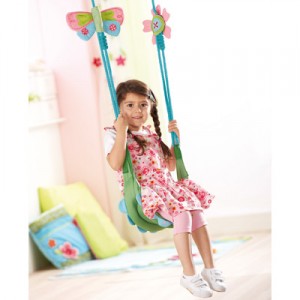
 Cute butterfly swing, for girls. Link
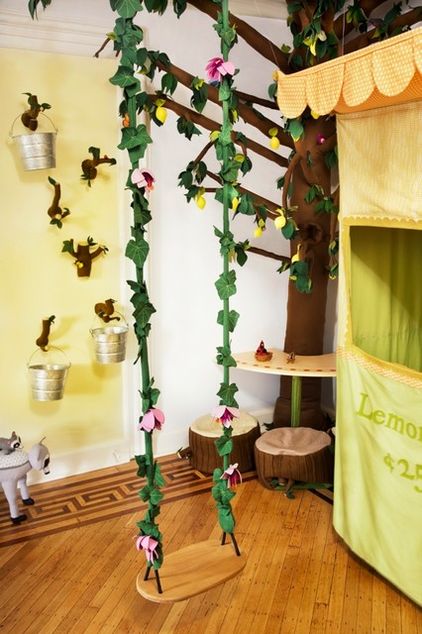
 If your child is nature lover, this tree and swing combination will be the best gift this season. Link
 If you have space constraint, this pressure mounted support bar swing will suit your needs. Link
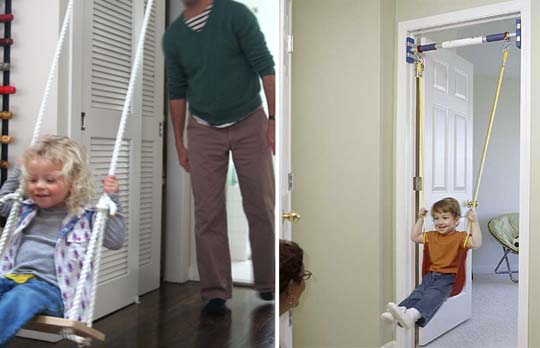 Easy to make and looks stylish. You can buy the plans online to create these cool swings. Link
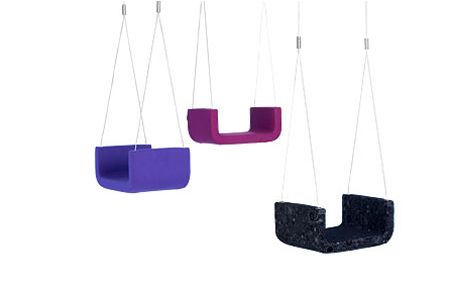 Minimalist and modern decor, good music and huge windows that let in a ton of natural light, this play area is best gift for your kids this winter season. Link
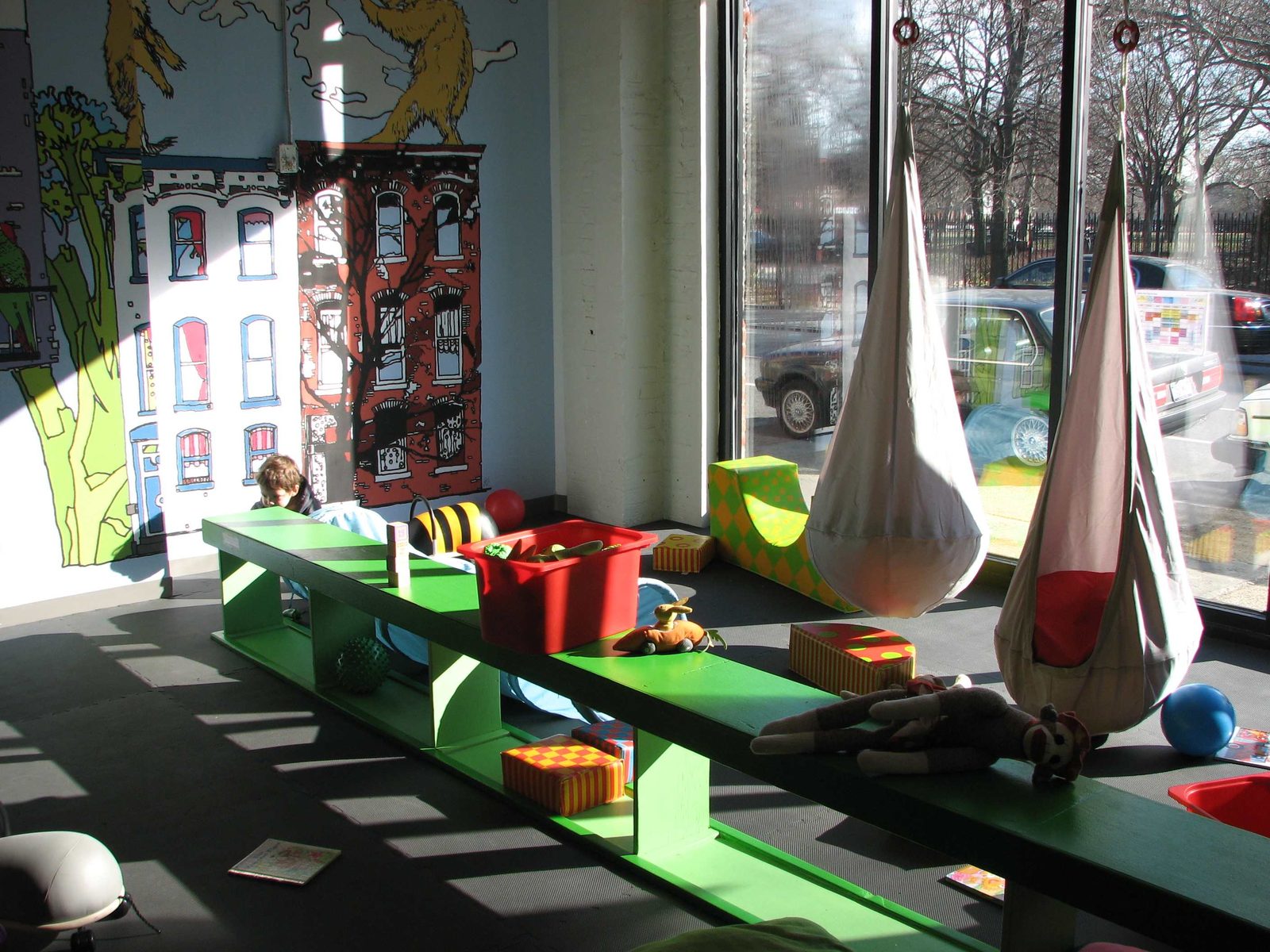
What to Sort Out Before an Indoor Swing Goes Up
The hard part of an indoor swing is not the seat, it is the anchor point. Drywall, plaster, a decorative beam or a suspended ceiling panel cannot carry a swinging child, because the load in motion is several times the child's standing weight and it arrives as repeated shock rather than steady pressure. A hanging swing needs a genuine structural ceiling joist, or a freestanding or doorway frame the manufacturer rates for swinging. Because getting this wrong is dangerous, treat ceiling installation as work for a licensed contractor or carpenter who can confirm what the framing will take, which is why this guide gives no drilling steps.
Whatever goes up, use hardware sold and rated for the job. A proper swing hanger kit states a working load limit and usually includes a bearing or swivel so ropes do not chew through the fixing, and the rope or webbing carries its own rating. Follow the manufacturer's instructions rather than mixing parts from different kits, stay inside the stated weight limit, and inspect for fraying rope, loosening bolts, worn stitching and cracked plastic. Anything questionable comes down until it is replaced.
Clearance is the thing people underestimate. A swing needs a genuinely empty travel path, which in practice means several feet of clear floor in front of and behind the seat and at least a couple of feet either side. Nothing hard should be within reach of a swinging body: no glass, table corners, radiators, television stands, stair openings or low light fittings. Check ceiling height too, and set the seat so a smaller child's feet clear the floor. A rug softens ordinary tumbles, but no flooring makes a fall from a swing safe.
Doorway bars and pressure-mounted supports look convenient, but they hold by friction against the frame and usually carry modest load ratings. Only use one for swinging if the manufacturer explicitly says it is rated for that, and stay within the limit, since a door casing is often trim rather than structure. A freestanding indoor frame sidesteps the ceiling question and is worth considering where the footprint fits.
Then set the rules. An adult stays in the room while the swing is in use, one child at a time, seated rather than standing, no twisting the ropes into a coil, no hard pushes indoors, and siblings stay out of the travel path. Take the swing down or hook it up out of the way afterwards so nobody walks into it, and never treat a hanging seat or hammock chair as somewhere to nap. Stick to the maker's age and weight range, and reassess as your child grows.
Frequently Asked Questions
Can you hang an indoor swing from a drywall ceiling?
No. Drywall and plaster cannot carry the dynamic load of a swinging child no matter which anchor is used, and a fixing that pulls out overhead is a serious injury risk. The swing must go into structural framing or onto a frame the manufacturer rates for swinging, and confirming what sits above your ceiling is a job for a qualified contractor.
How much space do you need around an indoor swing?
Plan for several feet of completely clear floor in the direction of travel, both forward and back, and a couple of feet to each side. Keep glass, furniture corners, heaters, stair openings and hanging light fittings well outside that zone. If the only available spot is a busy walkway or a crowded room, the room is not right for a swing.
Are doorway pressure-mounted swing bars safe for swinging?
Only if the manufacturer states the bar is rated for a swing rather than for gymnastics rings, curtains or general hanging, and only within its stated weight limit. These bars hold by friction against the frame, and door casings are sometimes trim rather than structure. Read the load rating before anything is attached, and stop using it if the bar shifts at all.
What age can a child start using an indoor swing?
Follow the age and weight range printed on the specific swing, since designs range from supported seats to open platforms for older children. Whatever the label says, an adult should be present for the whole session. Reassess the setup as a child gets heavier and swings with more force, because both increase the load on the mounting.
How often should indoor swing hardware be checked?
A quick visual and hand check before each session plus a closer look monthly is a reasonable habit, and more often if the swing is used daily. Look for fraying rope or webbing, loosening bolts, worn stitching, rust and any cracking in plastic parts. Take the swing out of use until anything worn is replaced with the correct rated part.
Related Posts

10 Creative Bookshelves
Bookshelf basics that matter: how far a shelf can span before it sags, anchoring tall units into wall studs, load ratings, and styling books against objects.
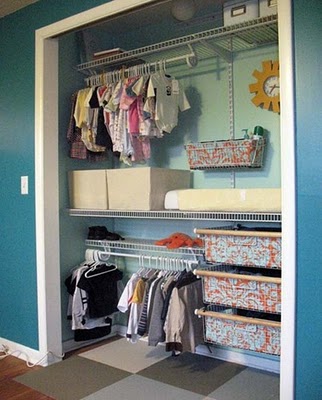
Creative Closet Ideas for Kids
Kids closet ideas built around reach: hanging rod heights by age, rotating seasonal clothes, and simple labels that help children dress themselves.
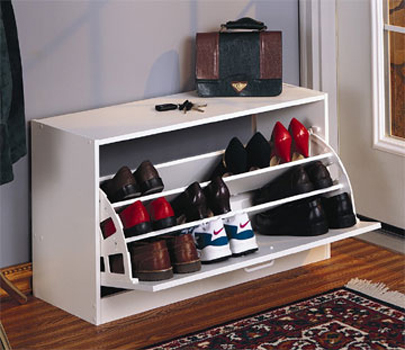
Organizing Ideas- Shoe Storage Ideas
Entryway shoe storage that holds: how many pairs to plan for, airflow that stops odour, bench height and depth, and when to hide shoes or leave them open.
Benefits of Reverse Osmosis Water
Vinyl and Metal Sidings
Comments (0)
No comments yet. Be the first to comment!