
Creative Closet Ideas for Kids

✨ Updated July 2026 — reviewed for accuracy and freshness.
A closet only works if the child can actually use it. The ideas below are organised around reachability: where the rod sits, what lives at eye level, and how to rotate clothes so only the current season is in play. Get those three things right and the daily hunt for a matching sock mostly disappears.
Key Takeaways
- Hang it low — a rod at roughly 30 to 40 inches lets a preschooler choose and hang clothes.
- Rotate by season — keeping only the current season within reach halves the visual clutter.
- Label with pictures — image tags work before reading does, so pair each word with a symbol.
- Anchor tall units — freestanding wardrobes and dressers must be strapped to the wall.
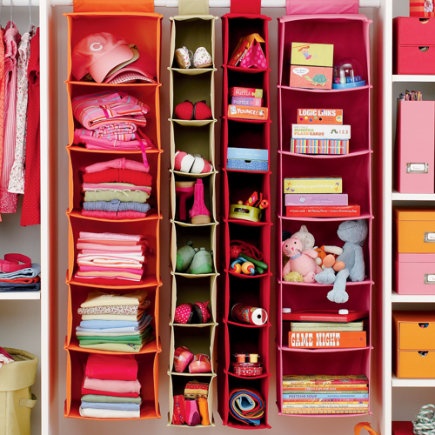
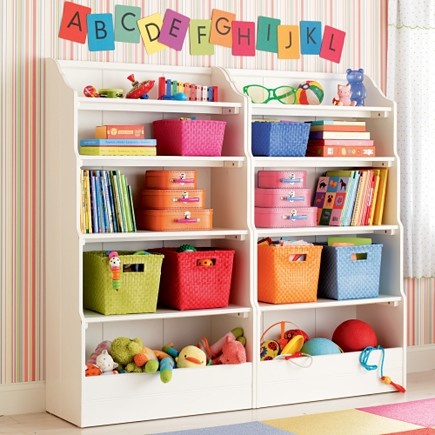
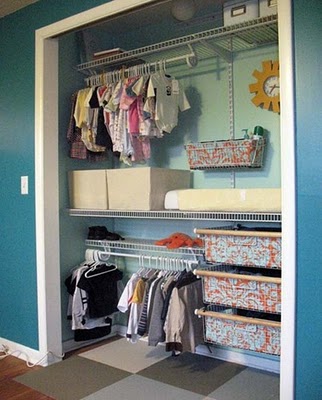 You can mix n match open storage with drawers, it gives a clean look and easy to manage.
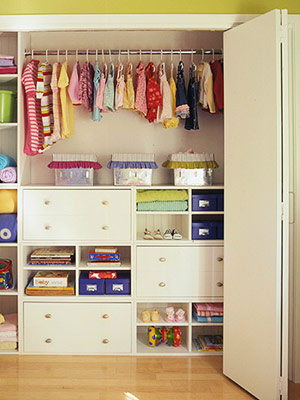 Labeling, adding tags to every storage bin makes it easy for kids to arrange their belongings.
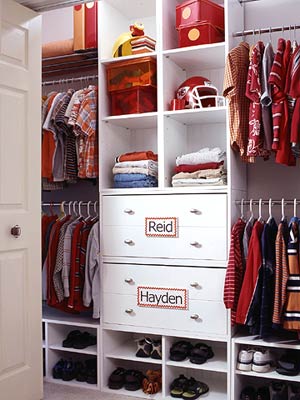 You can experiment by using plastic tubs, storage bins (without lid), handy canvas cubbies. Try 'n' make space look colorful, not only it attract kids but will also match with interiors.
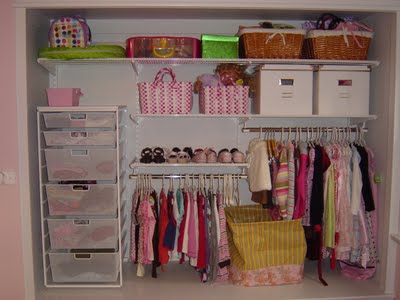
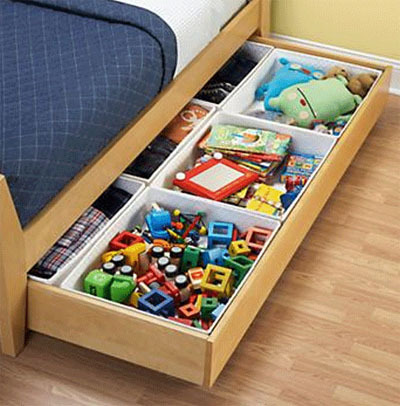
 Kids are going to shove their stuff under the bed anyway, so you might as well encourage that kind of behaviour with proper storage under there.
How to Set Up a Closet a Child Can Actually Reach
The single change that turns a closet from your job into theirs is rod height. Measure your child rather than guessing from age: a rod they can reach flat-handed sits around 30 to 40 inches from the floor for most preschoolers, 42 to 48 inches through the early school years, and only reaches the adult standard of 60 to 66 inches in the teens. A double-rod setup gives you both at once, with an adult rod above at roughly 65 to 70 inches. Shelves about 12 to 14 inches deep hold folded clothes without swallowing them.
Then zone by height. Everything below about 40 inches is the child's territory: today's clothes, shoes, the bags they grab themselves. From 40 to 55 inches goes weekly rather than daily use, and above that is adult-managed storage. Keep high bins light and dull, because a closet reads as a climbing frame to a determined four-year-old. Any freestanding wardrobe, shelf unit or dresser in or beside the closet should be secured to a wall stud with the restraint kit supplied, and step stools stored flat.
Seasonal rotation is what keeps the low zone usable. Twice a year, empty the closet and sort into three piles: current season, next season, outgrown. Only the current pile goes back within reach. Be honest about quantity while you are in there, since between laundry days most children need something like seven tops, five bottoms and a couple of warm layers rather than twenty of each. Fewer well-fitting options in front of them means faster mornings and less on the floor.
Labels close the loop. Put a picture and the word on every bin so the system works before reading does, and keep one category per bin rather than a general dumping tub. Open bins beat lidded boxes for children, because a lid is one more step between them and putting something away. Hooks at roughly 36 to 44 inches handle coats and backpacks better than hangers, and child-sized hangers of about 10 to 12 inches stop shoulders drooping off adult ones.
Finally, make it easy to maintain. Put a small laundry basket inside the closet so dirty clothes have a home in the same place clean ones live, leave about a fifth of the space empty for growth, and expect to reset the whole system a few times a year. A closet that is reachable and 80 percent full stays tidy; one packed to the rails never does.
Frequently Asked Questions
How high should a closet rod be for a child?
Aim for a height your child can reach with a flat hand rather than on tiptoe, which is often around 30 to 40 inches from the floor for preschoolers and 42 to 48 inches for early school age. Raise it as they grow, or fit a second rod above so the closet serves both of you. Measure the child rather than working from age alone, since heights vary widely.
Should a kids closet have doors or stay open?
Open closets and curtains make clothes visible, which genuinely helps younger children choose and put things away, but they also put every mess on display. Hinged doors need about nine square feet of swing clearance, so sliding panels or a curtain often suit a small bedroom better. Many families keep the low child zone open and hide the upper adult storage behind a curtain.
How many clothes does a child really need in the closet?
For a typical laundry cycle, something like seven tops, five bottoms and a couple of warm layers per season is plenty within reach. Extra sets can live above the child zone and come down as things wear out. Keeping the visible selection small reduces decision-making in the morning and makes tidying up realistic.
What is the best way to store clothes a child has outgrown?
Sort by size rather than season, label the outside of the container with the size band, and store it well away from the child zone so it does not creep back into daily use. Wash everything before it goes away, since stains set over time. Breathable containers in a dry, temperature-stable spot keep fabrics in better shape than sealed bins in a damp basement.
At what age can a child hang up their own clothes?
Many children can hang a shirt on a low rod somewhere in the preschool years if the hanger is child-sized and the rod is within easy reach, though it looks nothing like adult folding at first. Hooks and open bins usually come first, with hangers added once the coordination is there. Expect the system to need resetting by an adult regularly for several years.
Related Posts
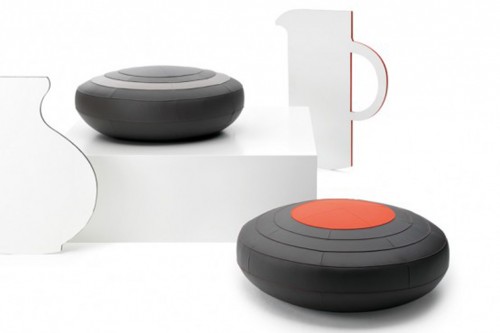
Creative Footstool Collection
How to pick a footstool or ottoman that works: matching seat height, upholstery that survives shoes, storage-lid safety, and using one as a coffee table.

Creative Vases
Which vase shape suits which stems: narrow necks for single blooms, wide mouths for garden bunches, plus keeping water fresh and glass clear.
Hallway Design Ideas
What is the difference between hard and soft water?

Will Streaming Services Ever Overtake Traditional TV?
Comments (0)
No comments yet. Be the first to comment!