
Cute Cribs and Cradles for Your Baby: Creating the Perfect Sleep Haven in 2025

✨ Updated June 2026 — reviewed for accuracy and freshness.
Key Takeaways
- Cribs, cradles and bassinets each suit a different stage of your baby's first year.
- Bassinets and cradles are best for newborns; a full-size crib lasts into toddlerhood.
- Safety first: a firm flat mattress, no loose bedding, and current safety-standard certification.
- Match the style to your nursery — but never trade safety for looks.
Your Baby Deserves the Absolute Cutest Sleep Space – And We're Here to Make It Happen
Okay, let's be real for a second. Creating your baby's nursery is basically like designing a tiny palace for the most important little human in your life. And if you're anything like most Gen Z parents, you want that space to be absolutely chef's kiss – cute, safe, Instagram-worthy, but also practical enough to survive those 3 AM diaper changes and feeding sessions. The centerpiece of this magical kingdom? The perfect crib or cradle that'll make both you and your baby fall in love at first sight.
Whether you're team minimalist aesthetics or all about those maximalist vibes, choosing the right sleeping space for your little one goes way beyond just picking something that looks cute (though let's be honest, that matters too). In this comprehensive guide, we're diving deep into everything you need to know about baby cribs and cradles – from safety standards that'll give you peace of mind to the latest 2026 trends that'll have your nursery looking like it belongs in a design magazine.
Understanding the Difference: Baby Cribs vs. Cradles vs. Bassinets
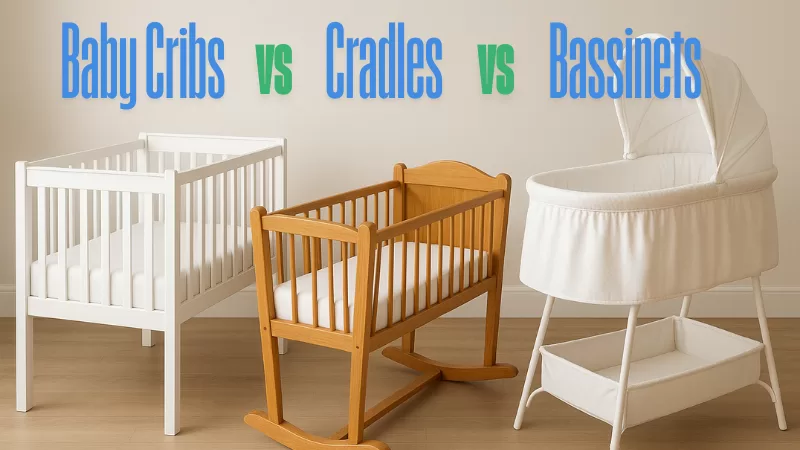
Before we jump into the cute factor, let's clear up some confusion. Many new parents find themselves wondering about the differences between cribs, cradles, and bassinets. Understanding these distinctions will help you make the best choice for your family's needs and budget.
Baby Cribs: The Long-Term Investment
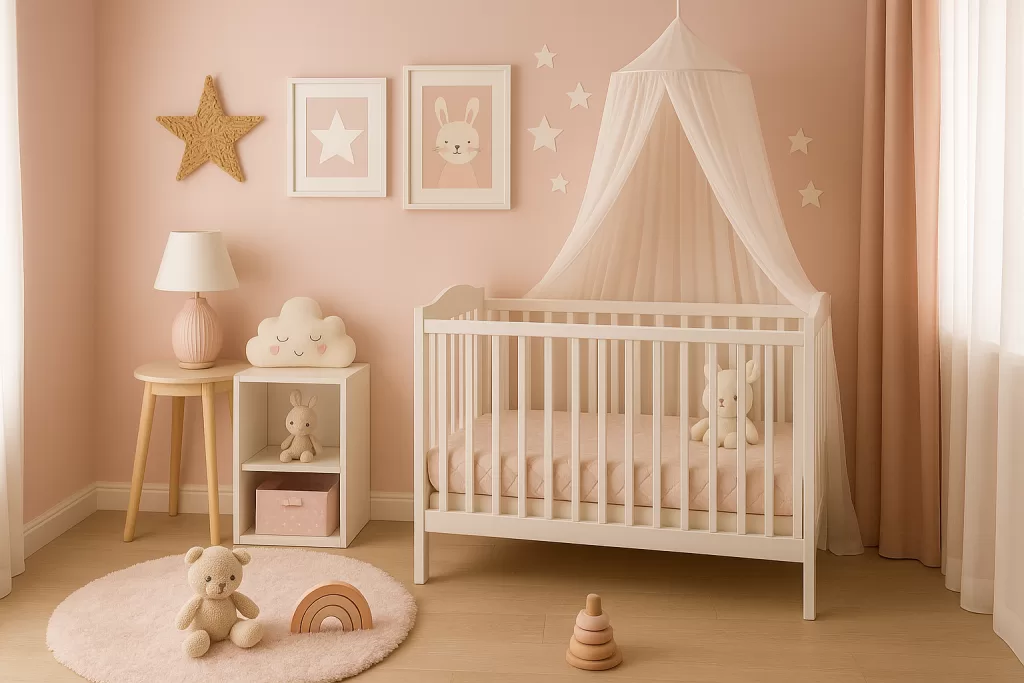
Baby cribs are the most common and versatile sleeping option for infants and toddlers. These larger sleep spaces are designed to grow with your child, often serving them from birth until they're ready for a toddler bed (typically around 2-3 years old).
Key Features of Baby Cribs:
- Standard dimensions: approximately 28 x 52 inches for the sleeping surface
- Adjustable mattress heights for safety as baby grows
- Sturdy construction with slats no more than 2 3/8 inches apart
- Many models are convertible, transforming into toddler beds or even full-size beds
- Available in various styles from modern to traditional designs
Pros:
- Longest usability period
- Most cost-effective per year of use
- Widest selection of styles and features
- Safest option for mobile babies and toddlers
- Compatible with standard crib mattresses and sheets
Cons:
- Larger footprint requires more nursery space
- Higher upfront cost
- Not portable for room-to-room movement
Cradles: The Traditional Choice with Modern Appeal
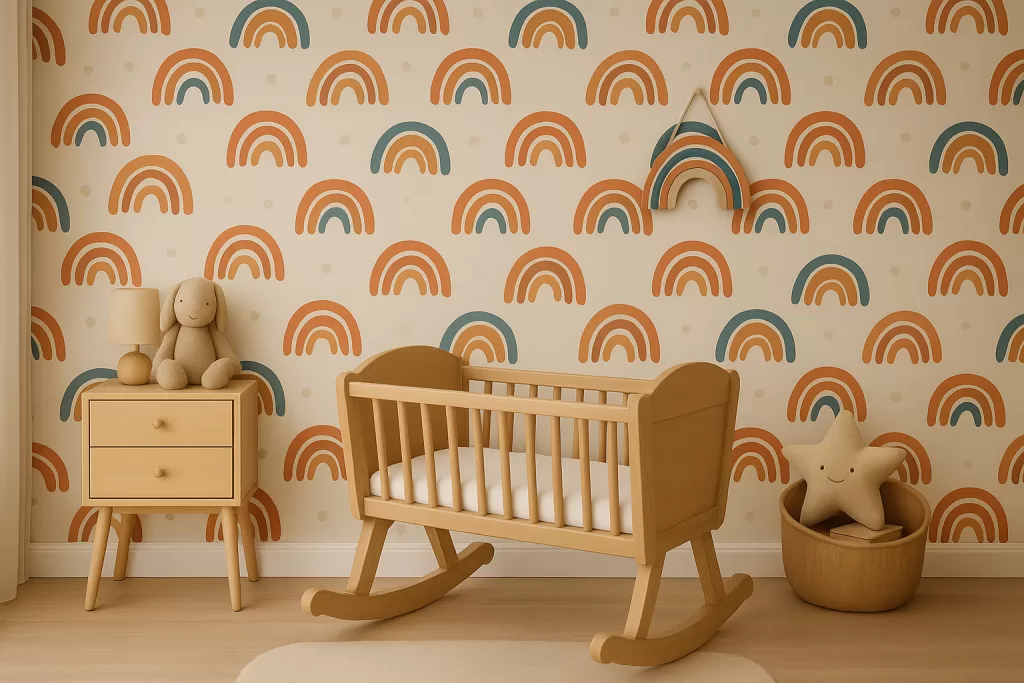
Cradles offer a charming middle ground between bassinets and full-size cribs. These smaller sleeping spaces often feature the signature rocking motion that has soothed babies for generations.
Key Features of Cradles:
- Smaller than cribs but larger than most bassinets
- Often feature gentle rocking or swaying motion
- Traditional wooden construction with slats
- Suitable for babies up to about 4-6 months or 25 pounds
- Nostalgic appeal that many families treasure
Pros:
- Soothing rocking motion helps babies sleep
- Compact size perfect for smaller spaces
- Often become family heirlooms
- Easier to move than full-size cribs
- Lower initial cost than convertible cribs
Cons:
- Limited use period (outgrown quickly)
- Need to purchase a crib later
- May require special-sized bedding
- Not suitable once baby can sit up or roll over
Bassinets: The Newborn Specialists
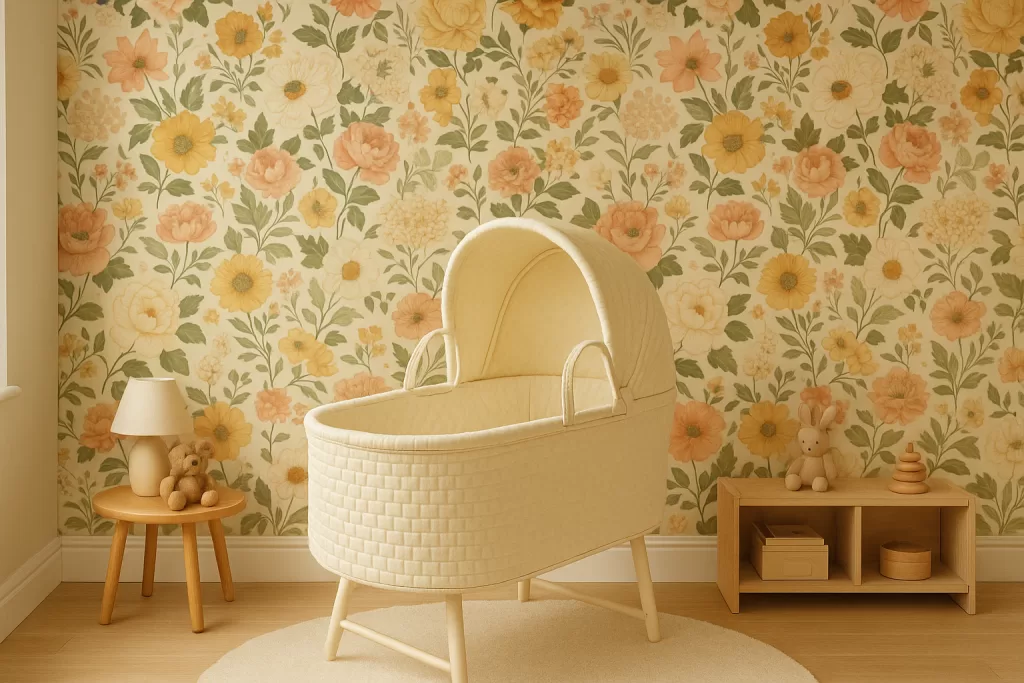
Bassinets are the smallest option, designed specifically for newborns during their first few months of life.
Key Features of Bassinets:
- Smallest sleeping space option
- Often portable with wheels or carrying handles
- Suitable for babies up to about 3-4 months
- Perfect for bedside sleeping
- Many fold for easy storage
Pros:
- Most portable option
- Perfect for keeping baby close during early weeks
- Often less expensive than cribs
- Space-saving design
- Many models include storage
Cons:
- Shortest use period
- Definitely need to purchase crib later
- Limited weight capacity
- May not be suitable for larger babies
Safety First: Non-Negotiable Standards for Baby Sleep Furniture
When it comes to your baby's sleep space, safety isn't just important – it's absolutely critical. The Consumer Product Safety Commission (CPSC) has established strict standards that all baby sleep furniture must meet, and understanding these requirements will help you make informed decisions.
Current CPSC Safety Requirements
All cribs manufactured after June 28, 2011, must meet the current federal safety standards. Here are the key requirements you should know:
Slat Spacing: Crib slats must be no more than 2 3/8 inches apart (about the width of a soda can). This prevents babies from getting their heads stuck between slats.
Mattress Support: The crib must have a sturdy mattress support system that won't sag or break under your baby's weight.
Hardware Quality: All screws, bolts, and hardware must be secure and regularly checked for tightness.
Height Requirements: The top of the crib rail must be at least 26 inches above the mattress support when set at its lowest position.
No Cutouts: Headboards and footboards should not have decorative cutouts where a baby's head could become trapped.
Drop-Side Ban: Traditional drop-side cribs have been banned since 2011 due to safety concerns. All crib sides must be stationary.
Essential Safety Features to Look For
Adjustable Mattress Height: This feature allows you to start with the mattress at its highest setting for easy access with newborns, then lower it as your baby becomes more mobile.
Greenguard Gold Certification: This certification ensures the crib has been tested for over 10,000 chemical emissions and VOCs, providing cleaner indoor air.
Sturdy Construction: The crib should feel solid and not wobble when you shake it gently.
Smooth Finish: All surfaces should be smooth with no sharp edges, splinters, or rough spots that could injure your baby.
No Small Parts: Avoid cribs with small decorative elements that could become choking hazards if they come loose.
What to Avoid for Safety
Vintage or Used Cribs: While heirloom cribs might seem charming, they often don't meet current safety standards and may have lead paint or unsafe construction.
Crib Bumpers: These have been banned in many states due to suffocation risks. Stick to the "bare is best" rule.
Decorative Elements: Avoid cribs with ribbons, bows, or other decorative elements that could pose strangulation hazards.
Corner Posts: Corner posts higher than 1/16 inch can catch clothing and create safety hazards.
The Cutest Crib and Cradle Trends for 2026
Now for the fun part – let's talk about what's trending in baby furniture design for 2026. This year's nursery trends are all about creating warm, inviting spaces that reflect personality while maintaining that Instagram-worthy aesthetic that modern parents love.
Color Trends Making Waves
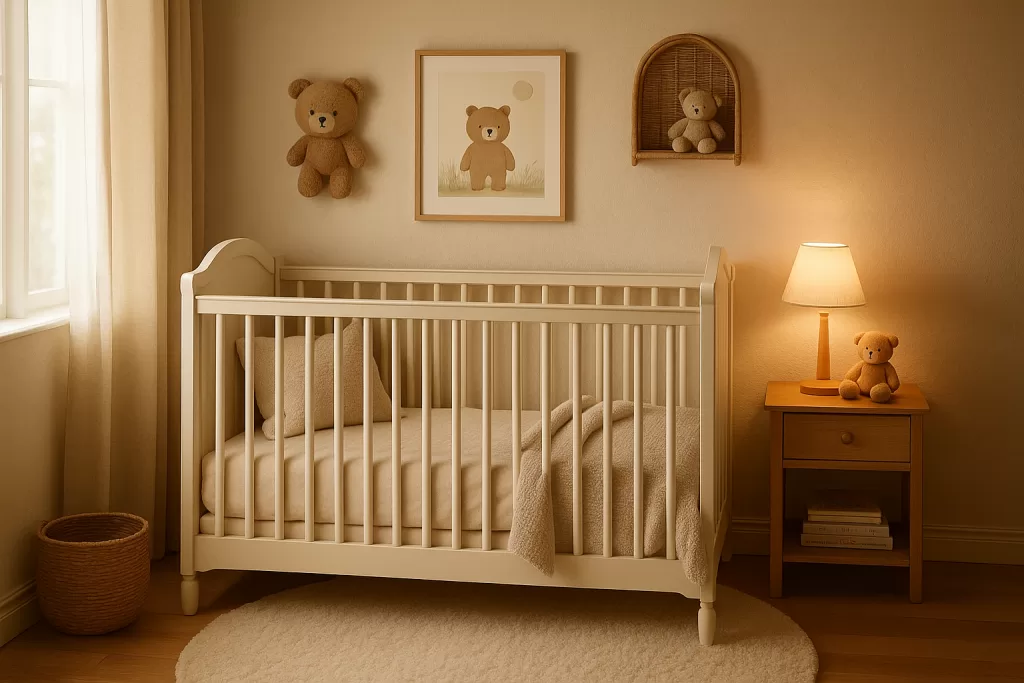
Warm Earthy Tones: Gone are the days of stark white nurseries. 2026 is all about embracing warmer, more sophisticated color palettes. Think deep sage greens, warm chocolate browns, and creamy off-whites that create a cozy, inviting atmosphere.
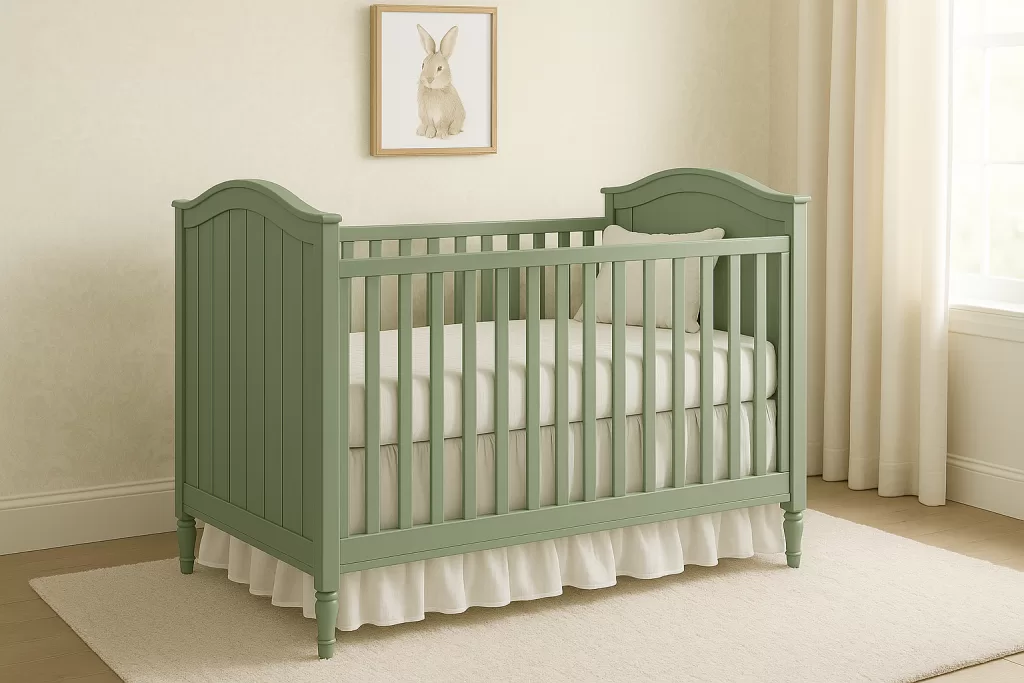
Bold Statement Colors: Don't be afraid of color! Green cribs are having a major moment, from emerald to sage. These nature-inspired hues create stunning focal points while remaining gender-neutral.
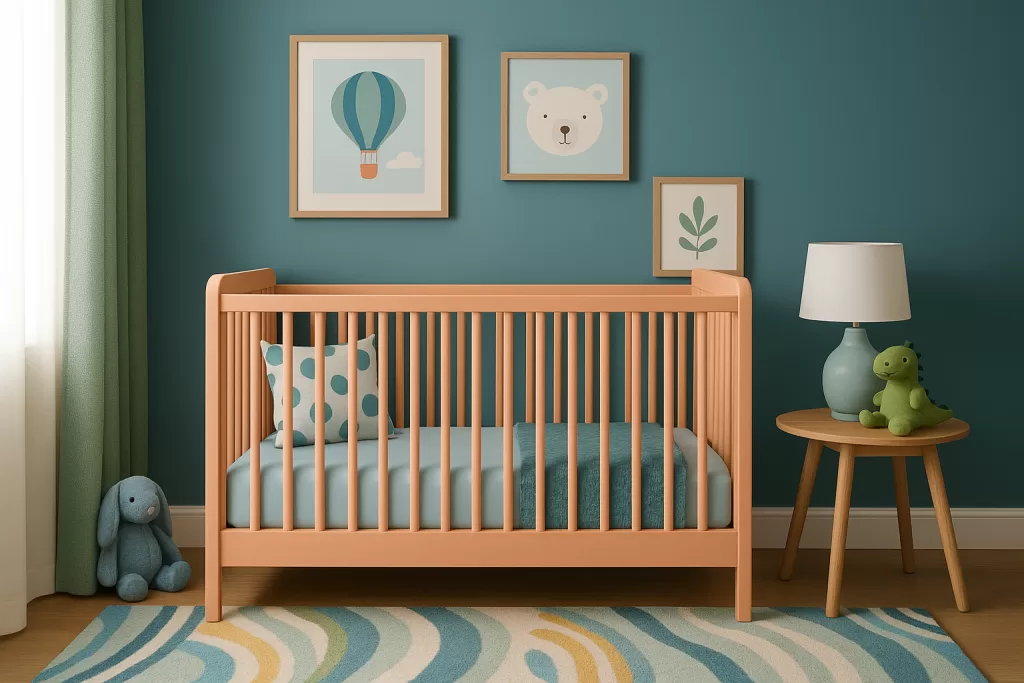
Soft Peach and Apricot: These gentle, peachy tones paired with blues and greens create a fresh, modern look that's both calming and stylish.
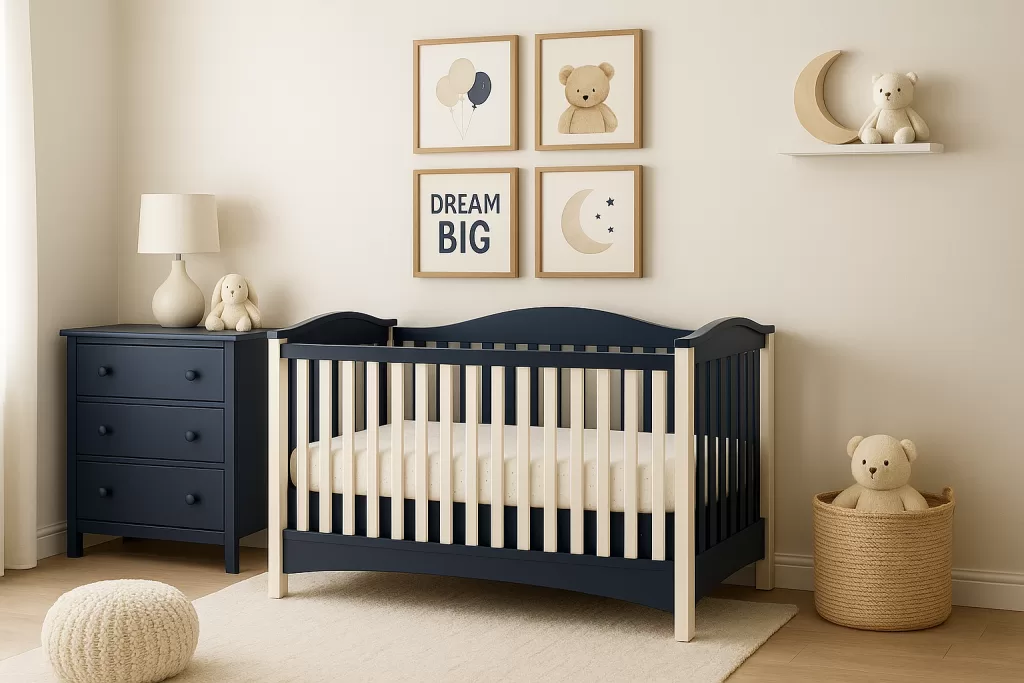
Classic Navy and Cream: This timeless combination is making a comeback, offering sophistication that works beautifully in traditional and modern nurseries alike.
Design Styles Taking Center Stage
French Countryside Chic: This trend embraces elegant, refined aesthetics with feminine bows, toile prints, and antique-inspired accessories. Think timeless luxury with a modern twist.
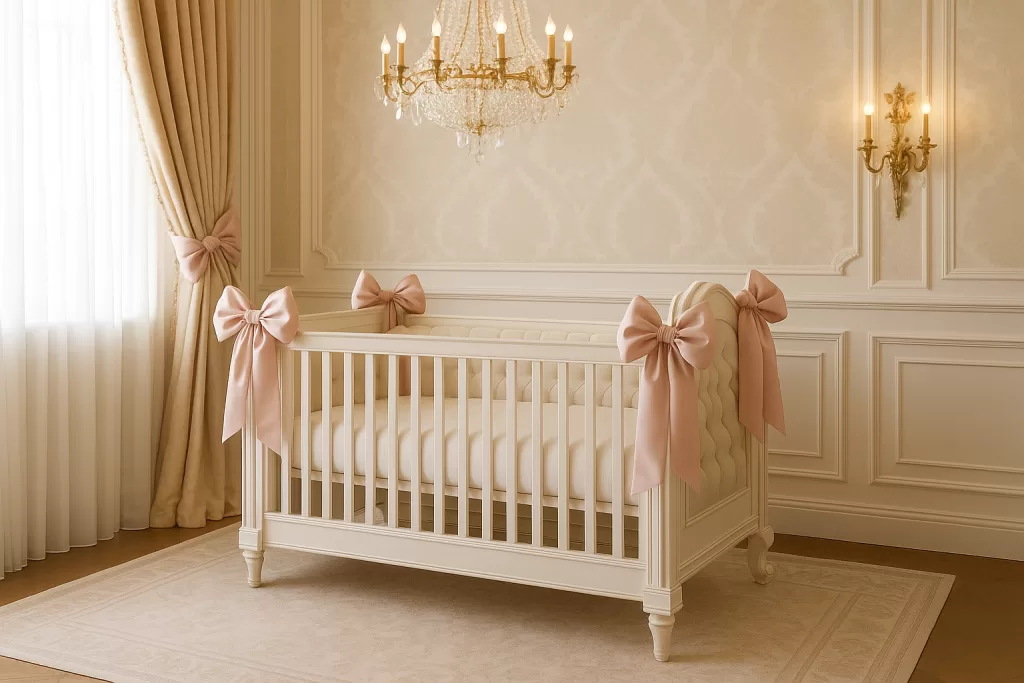
Modern Farmhouse: Clean lines meet rustic charm in this popular style. Look for cribs with shiplap details, natural wood finishes, and simple hardware.
Mid-Century Modern: Sleek lines, tapered legs, and walnut finishes characterize this sophisticated style that's perfect for design-forward parents.
Grandmillennial Style: This trend celebrates traditional elements with a fresh perspective. Think heirloom-quality pieces, vintage-inspired details, and family treasures mixed with modern safety standards.

Maximalist Wonder: For parents who love bold statements, this trend embraces bright colors, playful patterns, and whimsical details that create magical nursery spaces.
Material and Finish Trends
Natural Wood Finishes: Walnut, oak, and other natural wood finishes are trending over painted options, bringing warmth and organic beauty to nurseries.
Two-Tone Designs: Cribs featuring contrasting colors or finishes add visual interest without overwhelming the space.
Cane and Rattan Details: These natural materials add texture and boho charm to modern cribs and furniture pieces.
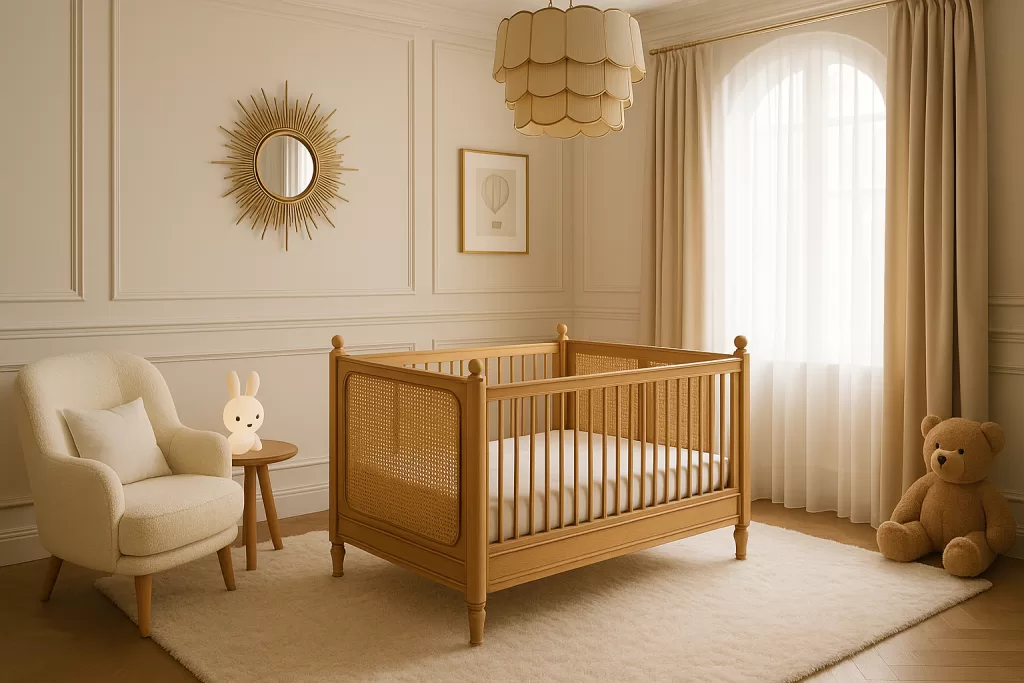
Curved and Rounded Edges: Soft, curved lines inspired by Art Deco design are replacing sharp, angular styles for a more organic feel.
Types of Cribs: Finding Your Perfect Match
Understanding the different types of cribs available will help you choose the option that best fits your family's needs, space, and budget.
Standard Full-Size Cribs
These are the most popular choice for good reason. Standard cribs offer the longest usability period and the widest selection of styles and features.
Best For: Families who want a long-term investment and have adequate nursery space.
Features to Look For:
- Adjustable mattress heights (typically 3-4 positions)
- Solid wood construction
- Greenguard Gold certification
- Matching furniture collections available
Popular Styles:
- Traditional sleigh beds
- Modern platform designs
- Farmhouse-inspired shiplap details
- Mid-century modern with tapered legs
Convertible Cribs: The Ultimate Investment
Convertible cribs transform as your child grows, potentially serving them from birth through their teenage years.
3-in-1 Convertible Cribs: Convert from crib to toddler bed to daybed 4-in-1 Convertible Cribs: Add a full-size bed option 5-in-1 and 6-in-1 Options: May include additional configurations like twin beds
Pros:
- Excellent long-term value
- Reduces furniture purchases over time
- Often high-quality construction
- Grows with your child
Cons:
- Higher upfront cost
- Conversion kits sold separately
- May need new mattress for bed conversions
Mini Cribs: Big Style in Small Spaces
Perfect for apartments, smaller nurseries, or families who travel frequently.
Dimensions: Typically smaller than standard cribs (approximately 24 x 38 inches)
Best For:
- Small living spaces
- Second cribs for grandparents' homes
- Families who move frequently
- Twins or multiples (space-saving)
Consider: Your baby may outgrow a mini crib sooner than a standard crib, requiring an earlier transition to a toddler bed.
Portable and Travel Cribs
These lightweight, foldable options are perfect for families on the go.
Types:
- Folding wooden cribs: Sturdy yet portable
- Pack 'n plays: Mesh-sided, ultra-portable
- Travel cribs: Compact, lightweight designs
Best For:
- Frequent travelers
- Temporary sleeping arrangements
- Grandparents' homes
- Camping or vacation use
Round and Oval Cribs
These unique shapes create stunning focal points in nurseries.
Pros:
- Dramatic visual impact
- Often convertible to toddler beds
- No sharp corners
- Luxurious appearance
Cons:
- Limited bedding options
- Higher cost
- May not fit in smaller spaces
- Special mattress required
Smart Cribs: The Future of Baby Sleep
Technology is revolutionizing baby sleep, with smart cribs offering features that would have seemed impossible just a few years ago.
Popular Smart Crib Features
Automatic Rocking: Sensors detect when baby stirs and gently rock them back to sleep Sleep Tracking: Monitor sleep patterns and duration through smartphone apps Built-in Sound Machines: White noise and lullabies controlled via app Baby Monitoring: Integrated cameras and sensors for peace of mind Breathing Monitoring: Advanced sensors track baby's breathing patterns
Leading Smart Crib Brands
Cradlewise: Offers an all-in-one bassinet that converts to a crib with automatic bouncing motion SNOO: The original smart bassinet with responsive rocking and swaddling Newton Baby: Focuses on breathable mattresses with smart monitoring features
Considerations for Smart Cribs
Cost: Smart cribs typically cost significantly more than traditional options Technology Dependence: Consider backup plans if technology fails Privacy: Research data collection and privacy policies Longevity: Ensure the product will receive software updates and support
Cradle Styles That Steal Hearts
Cradles offer timeless charm combined with modern safety standards. Here are the most popular styles that are capturing parents' hearts in 2026.
Traditional Wooden Cradles
These classic designs never go out of style and often become treasured family heirlooms.
Features:
- Solid wood construction (often oak, maple, or cherry)
- Hand-carved details
- Natural rocking motion
- Heirloom quality craftsmanship
Popular Finishes:
- Natural wood stains
- Painted whites and creams
- Two-tone combinations
- Distressed vintage looks
Modern Minimalist Cradles
Clean lines and simple designs appeal to contemporary parents who prefer understated elegance.
Characteristics:
- Sleek, geometric shapes
- Minimal ornamentation
- Neutral color palettes
- Mixed materials (wood, metal, fabric)
Rocking vs. Stationary Cradles
Rocking Cradles:
- Traditional gentle rocking motion
- Helps soothe fussy babies
- Often preferred for colicky infants
- Requires stable placement
Stationary Cradles:
- Fixed position for safety-conscious parents
- Often include wheels for portability
- May have other soothing features (vibration, music)
- Easier to place safely in any location
Bassinet-Style Cradles
These hybrid designs combine the portability of bassinets with the charm of traditional cradles.
Features:
- Lightweight construction
- Often include wheels or carrying handles
- Removable baskets for easy transport
- Modern safety standards
Budget-Friendly Options That Don't Compromise on Cute
Creating a beautiful nursery doesn't have to break the bank. Here are strategies for finding adorable cribs and cradles at every price point.
Budget Ranges and What to Expect
Under $200:
- Basic but safe designs
- Simple finishes
- Limited features
- Often require assembly
$200-$400:
- Mid-tier quality
- More style options
- Some convertible features
- Better hardware and finishes
$400-$800:
- High-quality construction
- Designer collaborations
- Premium finishes
- Convertible options with longevity
$800+:
- Luxury materials and craftsmanship
- Unique designs
- Smart features
- Heirloom quality
Money-Saving Strategies
Shop End-of-Season Sales: Retailers often discount nursery furniture during late summer and winter months.
Consider Floor Models: Many stores offer discounts on display models that may have minor cosmetic imperfections.
Bundle Deals: Some retailers offer package deals when you purchase crib, mattress, and bedding together.
Look for Convertible Options: While more expensive upfront, convertible cribs save money long-term.
Check for Coupons and Discounts: Many baby stores offer first-time parent discounts or registry completion bonuses.
Affordable Brands with Style
Graco: Offers reliable, budget-friendly options with safety certifications Delta Children: Known for stylish designs at accessible price points Dream On Me: Provides convertible options at competitive prices Storkcraft: Combines quality construction with reasonable pricing Davinci: Offers Greenguard Gold certified cribs in various price ranges
Eco-Friendly and Sustainable Choices
More parents than ever are prioritizing environmental responsibility when choosing baby furniture. Here's how to make eco-conscious choices without sacrificing style or safety.
Sustainable Materials to Look For
FSC-Certified Wood: Ensures wood comes from responsibly managed forests Solid Wood vs. Particle Board: Solid wood lasts longer and off-gasses fewer chemicals Water-Based Finishes: Safer for baby and better for the environment Organic Materials: When available, choose organic cotton padding and covers
Eco-Friendly Certifications
Greenguard Gold: Tests for over 10,000 chemicals and ensures low chemical emissions CARB Phase 2 Compliant: Meets California's strict formaldehyde emission standards ASTM International Standards: Ensures safety testing has been completed CertiPUR-US: For foam components, ensures no harmful chemicals
Brands Leading in Sustainability
Babyletto: Known for eco-friendly designs and sustainable practices Nursery Works: Uses sustainable materials and non-toxic finishes Oeuf: Emphasizes sustainable design and fair trade practices Million Dollar Baby Classic: Offers Greenguard Gold certified options
Tips for Sustainable Nursery Planning
Buy Quality Over Quantity: Invest in well-made pieces that will last Choose Timeless Designs: Avoid trendy pieces that may look dated quickly Consider Multi-Functional Furniture: Pieces that serve multiple purposes reduce overall consumption Plan for Longevity: Convertible options reduce future furniture needs
Styling Your Nursery Around Your Crib Choice
Your crib or cradle will likely be the centerpiece of your nursery, so it's important to plan your overall design around this key piece.
Creating Cohesive Color Schemes
Monochromatic Palettes: Use varying shades of the same color for sophisticated, calming spaces Complementary Colors: Choose colors opposite on the color wheel for vibrant, energetic rooms Analogous Schemes: Select colors next to each other on the color wheel for harmonious, peaceful environments Neutral Bases with Pops of Color: Use neutral foundations with colorful accessories that can be easily changed
Coordinating Furniture Pieces
Matching Collections: Many brands offer complete nursery sets with coordinating pieces Mixed Materials: Combine wood tones, painted finishes, and metal accents for interest Scale Considerations: Ensure furniture pieces are proportionate to your crib and room size Functional Layout: Plan furniture placement for easy navigation during nighttime care
Window Treatments and Lighting
Blackout Curtains: Essential for good baby sleep, available in every style imaginable Layered Lighting: Combine overhead lighting, task lighting, and ambient lighting Natural Light: Position crib away from direct sunlight while maximizing room brightness Safety Considerations: Keep all cords and strings away from crib areas
Wall Decor and Art
Gallery Walls: Create collections of family photos, baby art, and meaningful prints Statement Wallpaper: Use removable wallpaper for dramatic accent walls Functional Decor: Choose pieces that serve dual purposes, like decorative storage Height Considerations: Place delicate items high enough to be safe from curious toddlers
Regional Considerations for US Parents
Different regions of the United States may have varying considerations when choosing baby furniture.
Climate Considerations
Humid Climates (Southeast, Gulf Coast):
- Choose furniture with finishes that resist moisture damage
- Consider ventilation around crib placement
- Look for mold and mildew resistant materials
Dry Climates (Southwest, Mountain States):
- Opt for finishes that won't crack in low humidity
- Consider furniture that won't be damaged by heating systems
- Look for static-resistant materials
Variable Climates (Midwest, Northeast):
- Choose furniture that can handle temperature fluctuations
- Consider seasonal humidity changes
- Look for durable finishes that withstand varied conditions
Space Considerations by Region
Urban Areas (NYC, San Francisco, Boston):
- Prioritize space-saving designs like mini cribs
- Consider multi-functional furniture
- Look for pieces that can be easily moved up stairs
Suburban Areas:
- More space allows for larger, statement pieces
- Consider room for growth and additional children
- Plan for long-term furniture arrangements
Rural Areas:
- Consider delivery logistics and assembly requirements
- Look for durable construction that can handle more rustic environments
- Plan for potential future moves to different home styles
Local Shopping Considerations
Regional Retailers: Many areas have local baby boutiques with unique selections Delivery Services: Consider shipping costs and delivery time frames Assembly Services: Research local handyperson services if needed Return Policies: Understand return logistics for large furniture pieces
Safety Maintenance and Long-Term Care
Proper maintenance ensures your crib or cradle remains safe and beautiful throughout its use.
Regular Safety Checks
Monthly Inspections:
- Check all hardware for tightness
- Examine slats for cracks or damage
- Inspect mattress support for sagging
- Look for paint chips or finish damage
As Baby Grows:
- Lower mattress as baby becomes mobile
- Remove any toys or items baby could use to climb out
- Ensure crib height remains appropriate
- Check weight limits regularly
Cleaning and Maintenance
Regular Cleaning:
- Dust weekly with soft, dry cloth
- Use mild soap and water for deeper cleaning
- Avoid harsh chemicals that could be harmful to baby
- Clean spills immediately to prevent staining
Protecting Finishes:
- Use coasters under any items placed on furniture
- Avoid direct sunlight that could fade finishes
- Control humidity levels to prevent wood damage
- Touch up small scratches promptly
When to Replace or Upgrade
Safety Concerns:
- Any structural damage or instability
- Missing or broken hardware that can't be replaced
- Significant wear that affects safety features
- Recalls that can't be remedied
Growth Considerations:
- Baby consistently climbing out despite lowered mattress
- Weight limits exceeded
- Baby seems cramped or uncomfortable
- Time for transition to toddler bed
Shopping Timeline and Planning
Planning your crib purchase strategically can help you get the best deals and ensure everything arrives on time.
Ideal Shopping Timeline
Second Trimester (Weeks 14-27):
- Begin researching styles and brands
- Visit stores to see pieces in person
- Create wish lists and compare prices
- Register for baby shower gifts
Early Third Trimester (Weeks 28-32):
- Make final decisions and place orders
- Ensure delivery timing works with your schedule
- Order mattresses and bedding
- Plan nursery layout
Mid Third Trimester (Weeks 33-36):
- Receive and inspect all items
- Assemble furniture or schedule assembly
- Complete nursery setup
- Perform final safety checks
Where to Shop
Traditional Baby Stores:
- Pottery Barn Kids
- Buy Buy Baby
- Babies"R"Us
- Local baby boutiques
Online Retailers:
- Amazon
- Wayfair
- Overstock
- Direct from manufacturer websites
General Retailers:
- Target
- Walmart
- Costco
- IKEA
Questions to Ask Before Buying
- What safety certifications does this crib have?
- What is the warranty coverage and duration?
- Are replacement parts available if needed?
- What are the return and exchange policies?
- Is assembly included or available for additional cost?
- How long is the estimated delivery time?
- Are there any current promotions or discounts available?
Assembly and Setup Tips
Whether you're assembling the crib yourself or hiring professionals, proper setup is crucial for safety.
DIY Assembly Tips
Before You Start:
- Read instructions completely before beginning
- Organize all pieces and hardware
- Ensure you have necessary tools
- Plan for 2-3 hours of assembly time
During Assembly:
- Follow instructions exactly as written
- Don't skip steps or take shortcuts
- Double-check all connections
- Have someone help with lifting and positioning
After Assembly:
- Test all moving parts and adjustments
- Verify all hardware is tight
- Place crib in final position before adding mattress
- Perform final safety inspection
Professional Assembly Services
When to Consider Professional Help:
- Complex convertible cribs with many pieces
- Lack of time or tools for DIY assembly
- Physical limitations that make assembly difficult
- Peace of mind for safety-critical furniture
What to Expect:
- Service typically costs $75-150
- Professional assembly usually includes basic testing
- Many services offer warranties on their work
- Assembly time is typically 1-2 hours
Final Setup Considerations
Room Preparation:
- Clear pathways for delivery and assembly
- Protect flooring during assembly
- Ensure adequate lighting for detailed work
- Have measurement tools available for final positioning
Safety Final Check:
- Verify mattress fits snugly with no gaps
- Test all adjustable features
- Confirm crib is level and stable
- Remove all packaging materials and tools from nursery
Popular Brands and Their Specialties
Understanding different brand strengths can help you choose the best option for your specific needs and preferences.
Premium Brands
Pottery Barn Kids:
- Known for: Timeless, sophisticated designs
- Specialties: Coordinating collections, high-quality materials
- Price Range: $800-2,000+
- Best For: Parents wanting heirloom-quality pieces
Nursery Works:
- Known for: Modern, artistic designs
- Specialties: Unique shapes, sustainable materials
- Price Range: $1,000-3,000+
- Best For: Design-forward parents with larger budgets
Million Dollar Baby Classic:
- Known for: Luxury construction, safety focus
- Specialties: Convertible options, premium finishes
- Price Range: $500-1,500
- Best For: Quality-conscious parents wanting longevity
Mid-Range Favorites
Babyletto:
- Known for: Modern designs, eco-friendly practices
- Specialties: Convertible cribs, Greenguard Gold certification
- Price Range: $300-800
- Best For: Style-conscious parents with environmental concerns
DaVinci:
- Known for: Safety, quality construction
- Specialties: Wide range of styles, affordable convertibles
- Price Range: $200-600
- Best For: Budget-conscious parents not wanting to compromise on safety
Storkcraft:
- Known for: Classic designs, reliable construction
- Specialties: Traditional styles, good value
- Price Range: $200-500
- Best For: Parents preferring timeless, understated designs
Budget-Friendly Options
Delta Children:
- Known for: Affordable style, licensed character themes
- Specialties: Trendy designs at accessible prices
- Price Range: $150-400
- Best For: First-time parents or those on tight budgets
Graco:
- Known for: Safety focus, practical designs
- Specialties: Travel systems, multi-functional pieces
- Price Range: $150-350
- Best For: Practical parents prioritizing function over form
Dream On Me:
- Known for: Basic safety, simple designs
- Specialties: Mini cribs, portable options
- Price Range: $100-300
- Best For: Parents needing temporary or secondary sleeping options
Creating Instagram-Worthy Nursery Photos
Let's be honest – you're going to want to capture and share your beautiful nursery setup. Here are tips for photographing your cute crib and nursery design.
Lighting Tips
Natural Light is King:
- Photograph during golden hour (just after sunrise or before sunset)
- Use window light as your primary source
- Avoid harsh midday sunlight that creates strong shadows
- Consider sheer curtains to diffuse bright light
Artificial Lighting:
- Use multiple light sources to avoid harsh shadows
- Warm white bulbs (2700K-3000K) create cozy atmosphere
- Add table lamps or floor lamps for ambient lighting
- Avoid overhead-only lighting that can look flat
Composition and Styling
Rule of Thirds:
- Place your crib slightly off-center for more dynamic photos
- Use ceiling lines and wall features to create natural gridlines
- Include interesting foreground elements like plants or toys
Styling Details:
- Add fresh flowers or plants for color and life
- Include meaningful books or family photos
- Layer textures with blankets, pillows, and rugs
- Remove clutter and distracting elements
Angles and Perspectives
Wide Shots:
- Show the entire nursery layout and how pieces work together
- Include architectural details like windows, doors, and ceiling features
- Capture the room's flow and how it connects to other spaces
Detail Shots:
- Focus on beautiful hardware, carved details, or unique finishes
- Capture styling vignettes on nearby surfaces
- Show texture details in fabrics and materials
Lifestyle Photos:
- Include yourselves interacting with the nursery
- Show scale by including people in the shots
- Capture emotion and connection with the space
Conclusion: Sweet Dreams Start with the Perfect Choice
Choosing the perfect crib or cradle for your baby is one of the most important and exciting decisions you'll make as a new parent. It's where your little one will spend countless hours sleeping, growing, and creating the foundation for healthy sleep habits that will last a lifetime.
Remember that the "perfect" choice is the one that fits your family's specific needs, space, and budget while meeting all current safety standards. Whether you fall in love with a modern convertible crib that will grow with your child, a charming traditional cradle that rocks your baby to sleep, or a space-saving mini crib perfect for your urban apartment, the most important thing is that it provides a safe, comfortable sleep environment for your precious little one.
As you embark on this exciting journey of creating your baby's first bedroom, trust your instincts, prioritize safety above all else, and don't be afraid to choose something that makes your heart happy every time you look at it. After all, you'll be spending plenty of time in that nursery during those early months, and having a space that brings you joy will make those late-night feedings and diaper changes just a little bit easier.
Sweet dreams start with thoughtful choices, and with all the information in this guide, you're well-equipped to create the perfect sleep haven for your baby. Here's to beautiful nurseries, peaceful nights, and the incredible journey of parenthood that lies ahead!
Frequently Asked Questions
Q: When should I start shopping for a crib? A: Most parents begin shopping during the second trimester (weeks 14-27) and make their final purchase by weeks 28-32 to ensure delivery before baby arrives.
Q: Are convertible cribs worth the extra cost? A: Convertible cribs can offer excellent long-term value if you plan to use them through your child's toddler and possibly teenage years. Calculate the cost per year of use to determine if the investment makes sense for your family.
Q: How do I know if a crib meets current safety standards? A: Look for cribs manufactured after June 28, 2011, which must meet current CPSC standards. Check for certifications like Greenguard Gold and ASTM International compliance.
Q: What's the difference between a crib and a cradle? A: Cribs are larger, designed for longer use (birth to 2-3 years), and offer more features. Cradles are smaller, often rock, and are typically used only for the first 4-6 months.
Q: Can I use a vintage family heirloom crib? A: While sentimental, vintage cribs often don't meet current safety standards and may contain lead paint or unsafe construction features. It's recommended to purchase a new crib that meets current safety requirements.
Q: How much should I expect to spend on a quality crib? A: Quality cribs range from $200-800, with premium and smart options costing more. Remember to factor in the cost of a mattress ($100-300) and bedding when budgeting.
Q: Do I need a special mattress for my crib? A: Yes, always use a firm, well-fitting mattress specifically designed for your crib model. The mattress should fit snugly with no gaps larger than two fingers between the mattress and crib sides.
Frequently Asked Questions
What is the difference between a crib, a cradle and a bassinet?
A bassinet is a small, portable bed for newborns; a cradle rocks gently and also suits the first few months; a crib is a larger, longer-lasting bed that works from birth into toddlerhood.
How do I choose a safe baby crib?
Look for a current safety-standard certification (such as JPMA/ASTM), a firm flat mattress that fits snugly, fixed (non-drop) sides, and slats no more than 2-3/8 inches apart. Avoid drop-side cribs.
When should I move my baby from a bassinet to a crib?
Move your baby to a crib once they reach the bassinet's weight limit or start to roll, push up or sit — usually around 4–6 months.
What should go inside a baby’s crib?
Just a firm, fitted mattress sheet. Keep pillows, blankets, bumpers and soft toys out of the sleep space to reduce the risk of suffocation and SIDS.
Related Posts
10 Refreshing & Healthy Smoothies You Must Try This Summer
The Major Foods Making You Fat A Lot
Effective Tips to Lose Belly Fat
4 Indoor Plants That Can Improve Your Home’s Air Quality
Dining Room Ideas
Dining room ideas that get the details right: matching table shape to room shape, chair clearance, pendant height above the table, and how to use a sideboard.
Comments (0)
No comments yet. Be the first to comment!