
Creative Kids Room Furniture Ideas

✨ Updated July 2026 — reviewed for accuracy and freshness.
Kids room furniture is the part of the room you buy least often and live with longest, so it pays to think in years rather than in one shopping trip. This guide is about the big pieces: what earns extra money, what to buy cheaply and replace, how bed transitions usually go, and the stability checks that come with tall furniture.
Key Takeaways
- Buy the bed well — the frame and mattress get the most hours, so spend there first.
- Skip the theme — character and novelty pieces date faster than a child outgrows them.
- Anchor anything tall — dressers, bookcases and wardrobes must be strapped to the wall.
- Plan transitions — leaving a crib usually follows climbing, not a particular birthday.
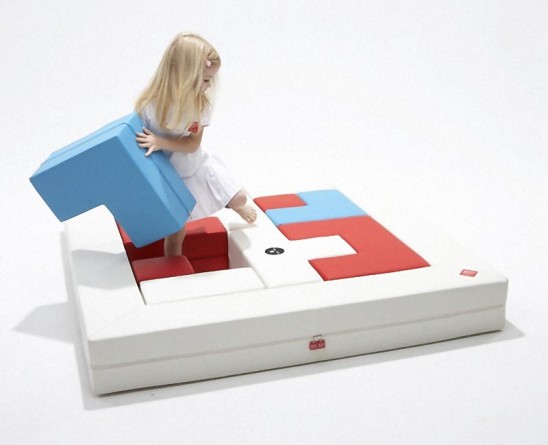
 Puzzle Sofa
An excellent way to put kids mind to work. It looks great and feels comfortable.
Puzzle Sofa
An excellent way to put kids mind to work. It looks great and feels comfortable.
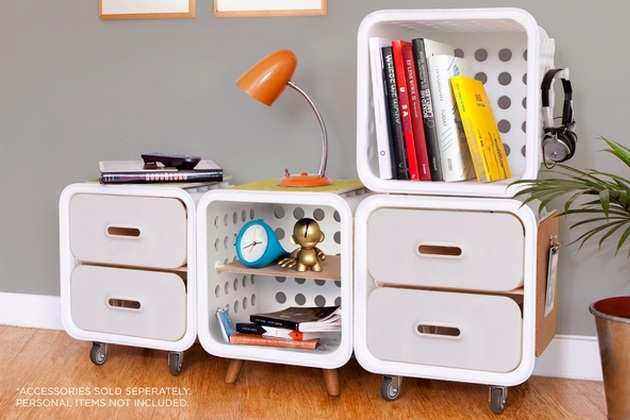
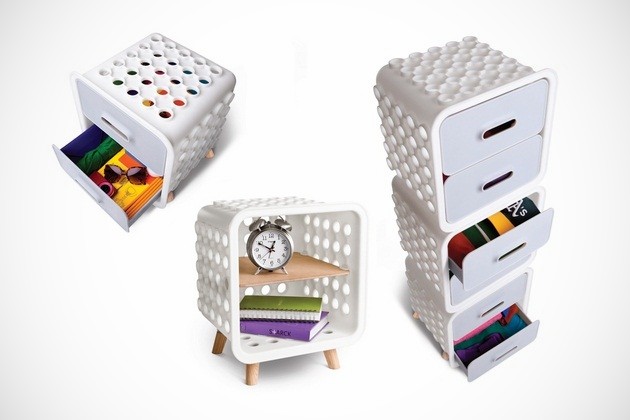
 Crate Drawer
Creative storage space with flexibility to place the crates horizontally or vertically as per space availability.
Crate Drawer
Creative storage space with flexibility to place the crates horizontally or vertically as per space availability.
 Creative Seating
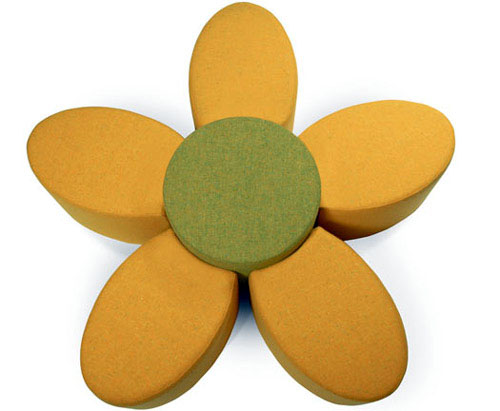
Creative flower seating arrangement by Arconas. Looks great and can be attached or detached easily.
Creative Seating
Creative flower seating arrangement by Arconas. Looks great and can be attached or detached easily.
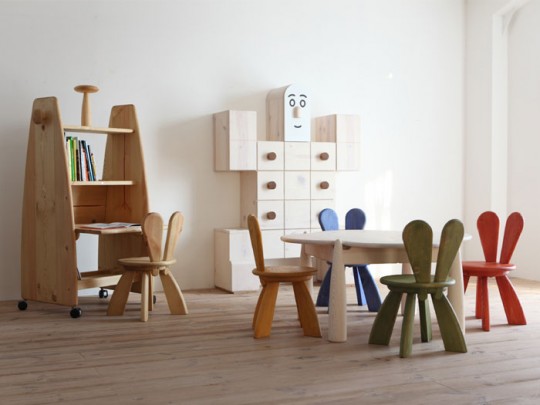
 Bunny ear themed furniture by Japanese company Hiromatsu.
 Book Shelf
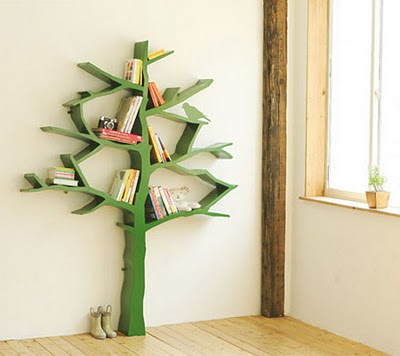
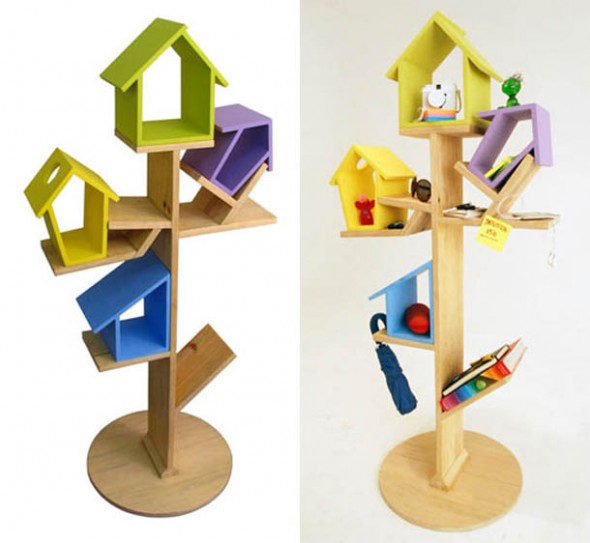
These designer book shelves not only make a dull space look bright but also relate to your child's psychic. If your little one is fan of National Geographic or like birds and trees these two designs should be your first choice.
Book Shelf
These designer book shelves not only make a dull space look bright but also relate to your child's psychic. If your little one is fan of National Geographic or like birds and trees these two designs should be your first choice.
Buying the Big Pieces for More Than One Year
Think in stages rather than one purchase. The early years need a crib, a low dresser and a changing surface; the preschool years a bed, open storage and a small table; the school years a desk, a bookcase and a wardrobe with a rod that suits hangers; and the teens are essentially adult furniture. The lowest cost per year comes from pieces that cross those boundaries untouched: a plain twin or full frame in a neutral finish, a dresser that still reads as a dresser at fifteen, and shelving with movable shelves.
Bed transitions cause the most questions. For infants, stick to well-established guidance: a firm, flat mattress that fits the crib snugly, and nothing loose inside, which means no pillows, no loose blankets and no bumpers. The move out of a crib is usually triggered by climbing out or reaching the manufacturer's stated height limit, commonly around 35 inches, rather than by an age. Some families use a low toddler bed, others go straight to a twin with a guardrail. For bunks, safety bodies generally advise the top bunk for age six and over, with guardrails both sides and a mattress thin enough that the rail still stands several inches above it.
Where the money goes matters more than the total. Spend on the mattress, on a frame with bolted or dowelled joints rather than staples, on drawers with real boxes and metal glides, and on a wardrobe that will not rack under a full rail. Signs of longevity include solid wood or thick plywood, replaceable hardware and properly banded edges. Save on decor, wall art, novelty seating, toy bins, bedding and anything printed with a character, since that is the layer you swap when tastes change.
Stability is not optional with tall furniture. Anchor every dresser, bookcase and wardrobe to a wall stud with the restraint supplied, load the heaviest contents into the bottom drawers, and keep televisions and favourite toys off the top surface. Prefer chests with an interlock that stops more than one drawer opening at once. Be cautious with heavy hinged-lid toy boxes unless the lid has a slow-close support and the box is ventilated.
Finally, measure before buying anything large. A twin mattress runs about 38 by 75 inches, a twin extra long about 38 by 80, and a full about 54 by 75. Leave roughly 24 to 30 inches beside or at the foot of a bed so it can be made, and keep walkways at 30 to 36 inches. Check the doorway and stair turn before ordering a wardrobe, and note whether a flat-pack piece survives being taken apart for a move.
Frequently Asked Questions
What kids furniture is worth spending more on?
The mattress and bed frame come first, since they take the most hours and the most abuse, followed by any chest of drawers used daily and a wardrobe that has to hold real clothes. Look for bolted or dowelled joints, metal drawer glides and replaceable hardware. Decor, bedding and novelty seating are the layer to buy cheaply and change.
When should a child move from a crib to a bed?
The usual triggers are the child climbing out or reaching the crib manufacturer's stated height limit, often around 35 inches, rather than hitting a specific age. Until that point a crib with a firm flat mattress and nothing loose inside remains the safer option. When the move happens, a low bed with a guardrail and a clear floor beside it eases the transition.
Is a convertible crib worth the extra cost?
Only if you will actually convert it and the conversion parts are included rather than sold separately later. Some designs make a genuinely good toddler bed and then a headboard; others leave you with an awkward frame you replace anyway. Check the full parts list and the stated size of the final bed before paying the premium.
How do you stop a dresser from tipping over?
Fix it to a wall stud with the anti-tip restraint that came with it, using a real stud rather than a plasterboard plug. Put the heaviest items in the lowest drawers, keep the top clear of anything a child would climb for, and prefer chests with a drawer interlock. Re-check the fixing whenever the furniture is moved.
What size bed should I buy for a growing child?
A standard twin at about 38 by 75 inches fits most children well into the teens, and a twin extra long at about 38 by 80 buys extra length for a tall child. A full bed at roughly 54 by 75 works if the room can spare the floor, since it doubles as a guest bed later. Measure the walkway and the space needed to make the bed before deciding.
Related Posts
10 Creative Reuse & Upcycling Ideas to Repurpose Old Stuff (2026)
10 creative reuse and upcycling ideas for 2026 — turn light bulbs, tin cans, old sinks and t-shirts into functional, stylish decor while cutting waste.
Creative Living Room Design for Small Spaces
Small living room ideas that actually add space: right-scale furniture, raised legs, low sightlines, double-duty pieces and mirrors hung where they work.
Must-Have Kitchen Tools
DIY Outdoor Furniture
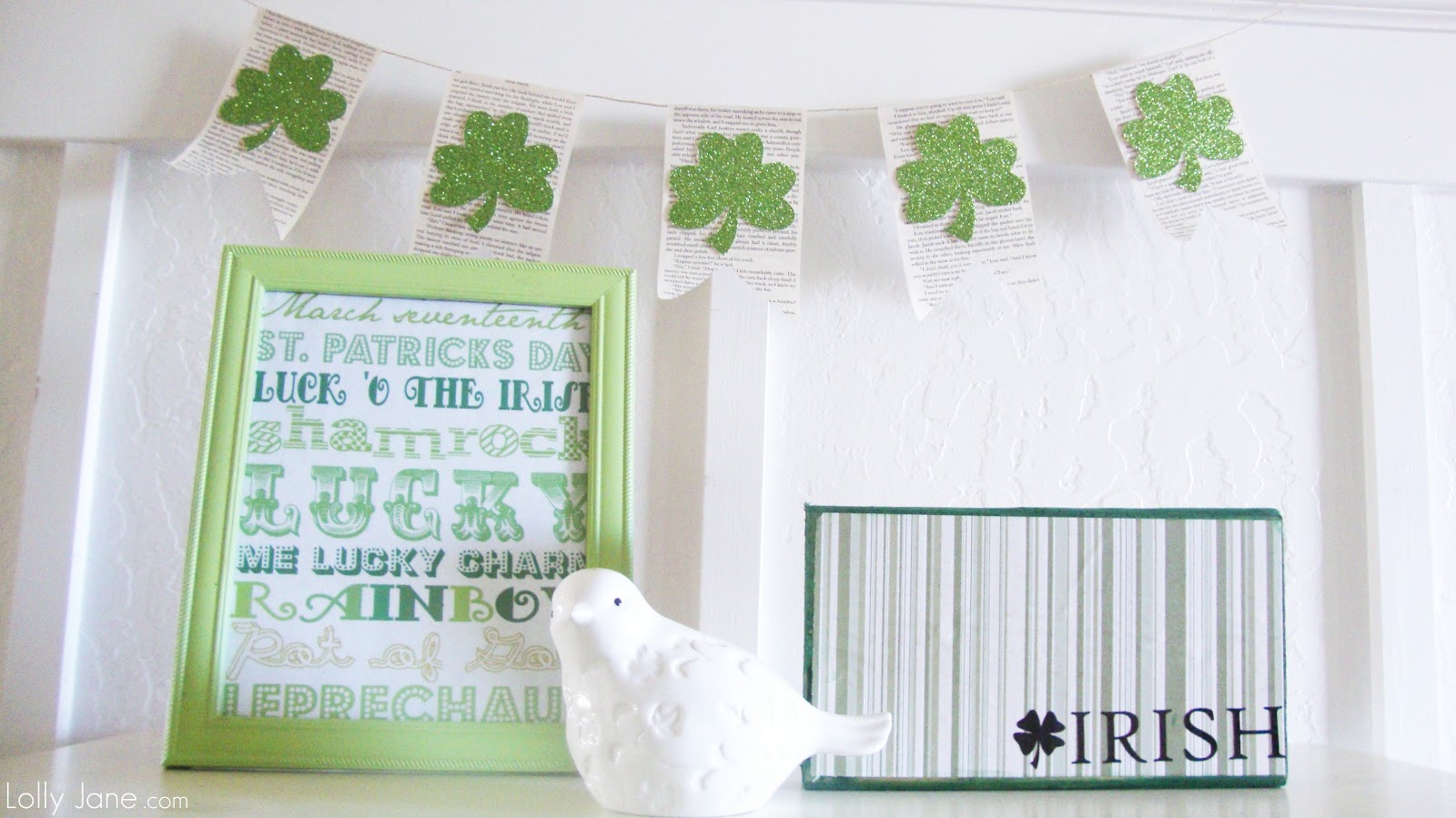
Decorating Ideas - St. Patrick's Day
Comments (0)
No comments yet. Be the first to comment!