
Creative Living Room Design for Small Spaces
✨ Updated July 2026 — reviewed for accuracy and freshness.
Small living rooms usually fail on scale rather than square footage. A room of 11 by 12 feet can seat four people in comfort if the furniture is the right depth, stands on visible legs, and stops blocking the view across the space. These ideas focus on the choices that buy back floor without leaving the room bare.
Key Takeaways
- Scale beats quantity — one correctly sized sofa reads roomier than two undersized ones.
- Show the floor — legs, open arms and glass tops let the eye travel further.
- Keep sightlines low — pieces below window height make the walls feel further away.
- One piece, two jobs — storage ottomans and nesting tables earn their footprint twice.
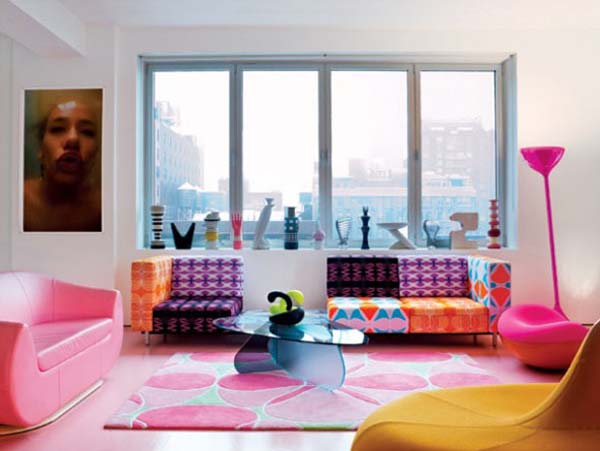
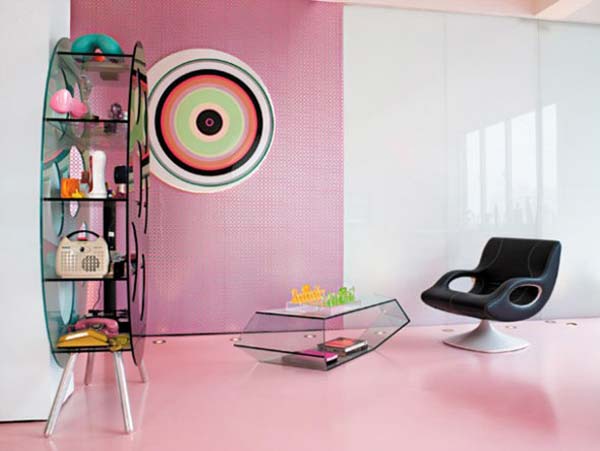 Putting a partition in room going along with the theme and adding your favorite pictures in large frames can change the tone and makes space look more welcoming and lively.
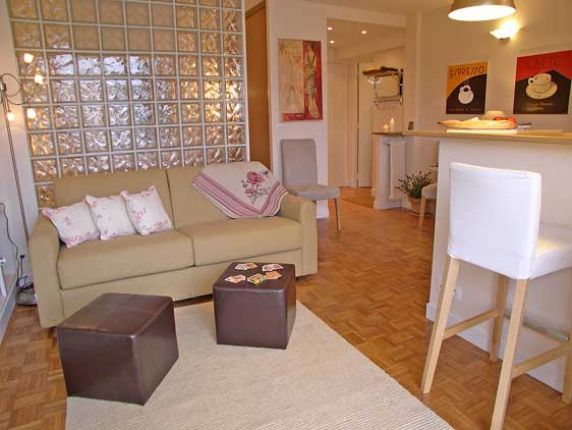 Make sure you have enough light source in the room, you can try the classic combination of light wall colors with dark shade furniture. Furniture should not be too heavy or big as compared to the space equation. Sofa adjusted to the wall combined with small table and low seating can be fun idea.
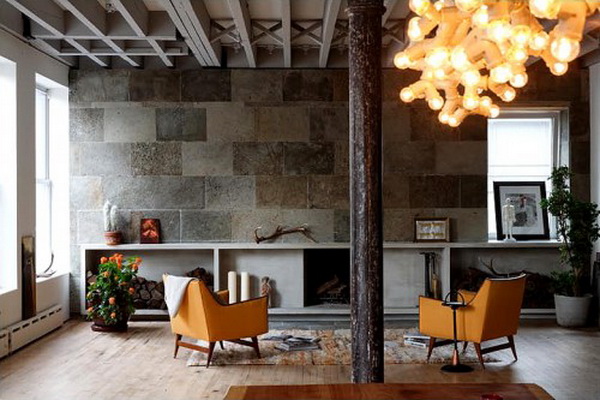
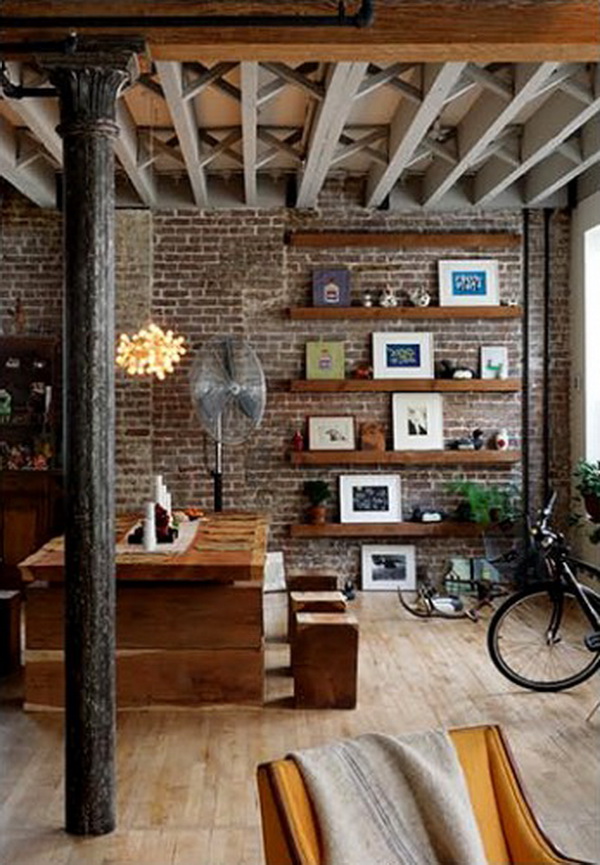
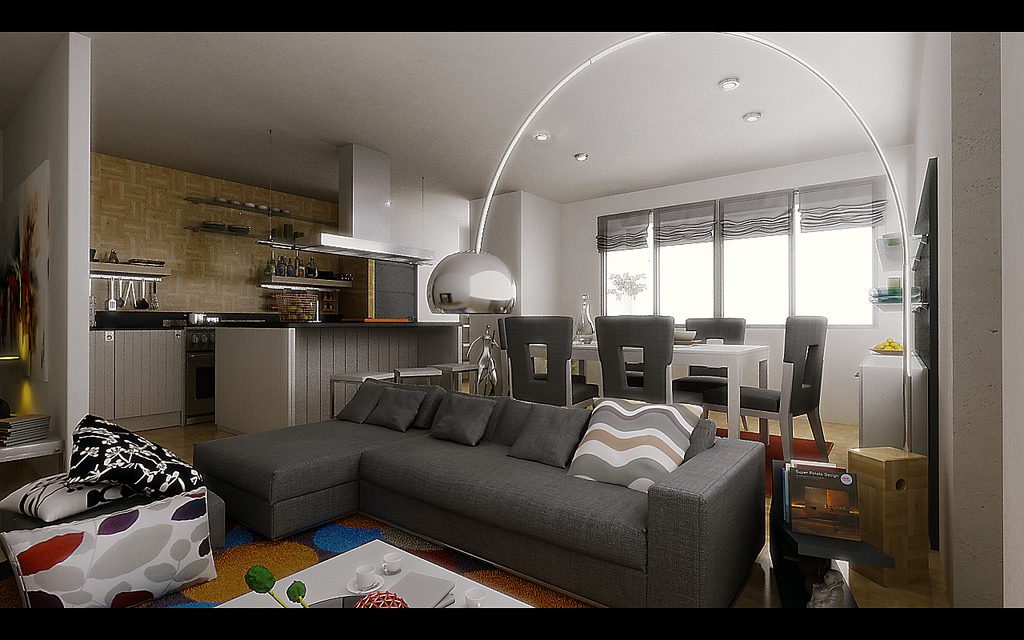 Rustic theme combined with bold colored furniture and classic lights will definitely make a style statement. Wood and iron always compliment each other well.
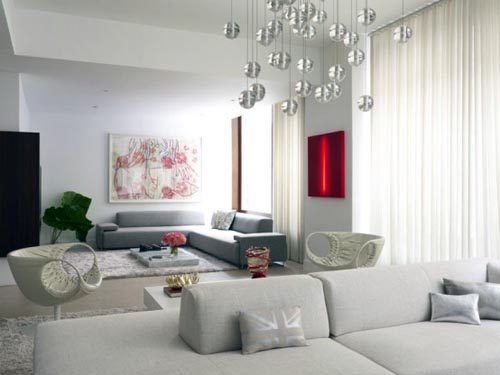
 Who says luxury is not possible in small space, white colored wall and floors combined with same colored furniture and lights makes look it sleek and stylish. Little creativity along with right accessories make any place welcoming.
Making a Small Living Room Feel Bigger Without Emptying It
Depth matters more than length. A sofa 32 to 34 inches deep seats an adult perfectly well and gives back six to eight inches of walkway compared with a deep lounge model, which in a tight room is the difference between passing comfortably and shuffling. Before buying anything, tape the footprint onto the floor with painter's tape and live with it for a day. Two undersized loveseats almost always look more cramped than one properly scaled sofa, because the eye counts objects, not inches.
Then reduce visual weight. Furniture on exposed legs, chairs with open arms, a glass or acrylic side table and a skirtless sofa all let you see the floor continuing underneath, and the amount of visible floor is what the brain reads as room size. A skirted sofa sitting flat on the rug blocks that read completely. The same logic applies to a coffee table: an open-frame or clear one disappears where a solid block does not.
Guard your sightlines. Keep most pieces around the perimeter below window-sill height so you can see the walls and the light unbroken, and put the one tall element — bookcase, cabinet, gallery wall — on a single wall rather than spreading storage all round. When you do go tall, go all the way to the ceiling; a bookcase stopping a foot short draws attention to the lack of height, while one that meets the ceiling makes the wall look intentional.
Make every piece work twice. An ottoman with a hollow interior holds throws and becomes extra seating or a footstool. Nesting tables pull out for guests and vanish afterwards. A narrow console behind the sofa serves as a drinks ledge and a desk. Wall-mounted lights free the surface a table lamp would have eaten, and a drop-leaf or demilune table folds against the wall between uses. Aim for one extra job per piece rather than one clever gadget.
Mirrors help, but placement decides it. A mirror needs something worth reflecting — hang it where it doubles a window, a view, or a lit lamp, not where it stares at a blank wall or a doorway. Hanging curtains higher and wider than the window frame does something similar: the glass looks larger and the wall looks taller, and when the panels stack outside the frame you gain the full daylight the room badly needs.
Frequently Asked Questions
What size sofa fits in a small living room?
Look at depth before length: 32 to 34 inches deep is comfortable and forgiving in a tight room, while 40-inch-deep models eat the walkway. A sofa about two-thirds the length of its wall usually looks right, and one full-size sofa beats two small ones.
Do mirrors really make a small room look bigger?
They help when they reflect something with depth, such as a window, a lit lamp or a view through a doorway. A mirror facing a blank wall just adds a bright rectangle. One large mirror does more than several small ones.
Can you use dark paint in a small living room?
Yes, and it often works better than pale paint, because deep color blurs where the walls stop and hides the corners that give a small room away. Carry the color onto the trim and keep the ceiling light, and make sure you have enough lamp light to enjoy it.
Where should the TV go in a small living room?
On the wall your seating already faces, ideally the one without a window behind it to avoid glare, and wall-mounted rather than on a console to save the floor. Keep the screen center around 42 inches from the floor so it lines up with seated eye level.
Is a sectional a mistake in a small living room?
Not always. A compact sectional with a chaise on one side can seat more people in less floor area than a sofa plus two chairs, as long as it is shallow and on legs. It becomes a mistake when it blocks a doorway or leaves no route across the room.
Related Posts
Comments (0)
No comments yet. Be the first to comment!