
Attic Bedroom Ideas
By Jaspal••6 min read

✦ Reviewed & updated June 2026 by the Living Impressive editors
Key Takeaways
- What it is: turning a sloped-ceiling attic or loft into a cozy, light-filled bedroom or guest retreat.
- Why it works: it reclaims wasted square footage, and the angled ceilings create a charming, tucked-away feel.
- Smart moves: low or built-in furniture under the slopes, skylights or dormer windows, light paint and under-eaves storage.
- Watch-outs: check headroom, insulation, ventilation and safe egress before converting.
- Budget: cosmetic refreshes are affordable; structural work like windows and insulation is the bigger cost.

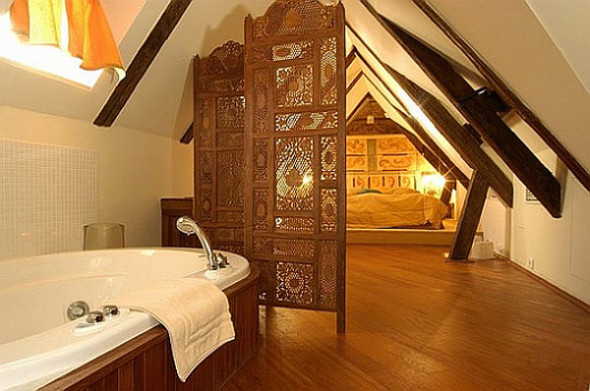
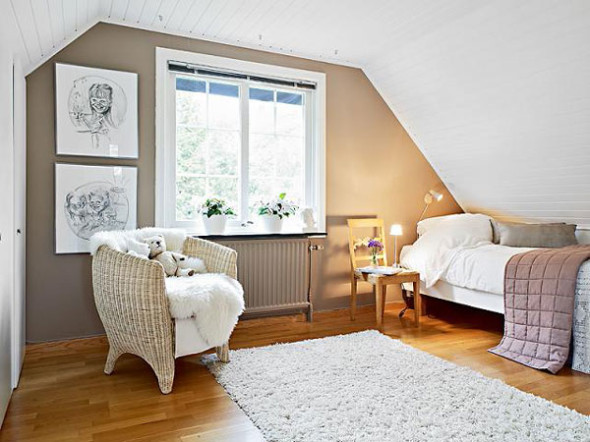 Create an accent wall: Select a vertical wall, preferably one of the two tallest ones where the slanted ceiling panels meet. Paint it with a bold color or use a metallic finish to reflect light and draw the eye. Painting all the walls with a bright color or finish can make the space seem "loud" and crowded. Create a mural or a pattern on your wall. Simple stripes can heighten or elongate a room, depending on how you position them, and floral prints can create a whimsical, sophisticated getaway. This is another good way to balance openness and bright color in a small attic room.
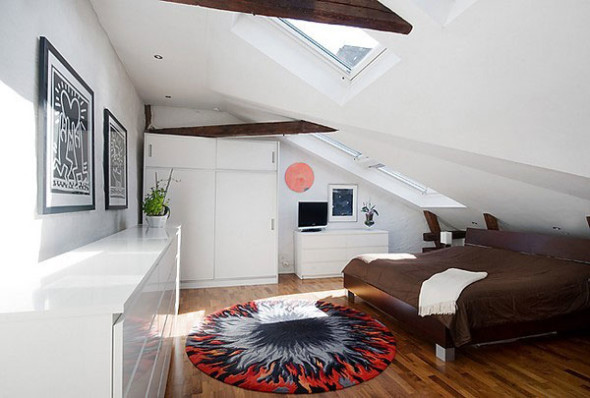
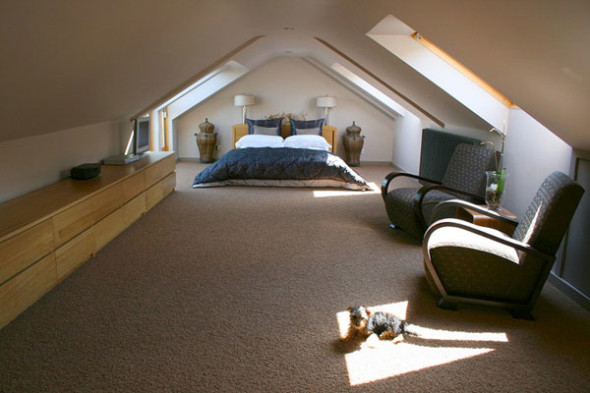 Keep your furniture to a minimum: Since many attics are such small spaces, the last thing you want to do is clutter the room up with unnecessary furnishings. Opt for smaller pieces, such as a full-sized bed instead of a king, and only include what you need to make the space comfortable. Match your furniture color to the walls to create more openness. This works especially well if you have white walls and opt for white or beige furniture.
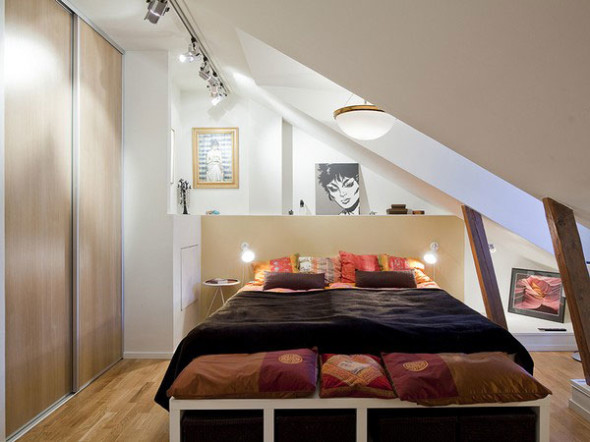
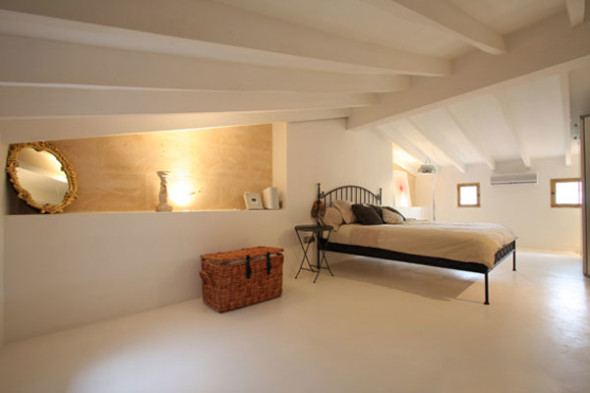 Old-fashioned cottage ambiance: Attic bedrooms have a naturally quaint appeal, which makes cottage-style decorations appropriate for the space. Opt for door style shutters instead of drapes, it also add noticeable horizontal lines contrasting nicely against the high angular lines of the ceiling.
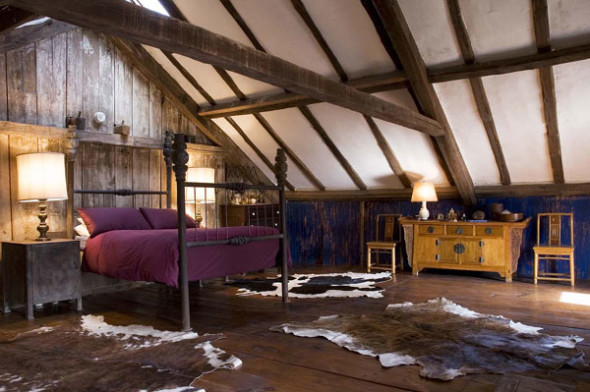
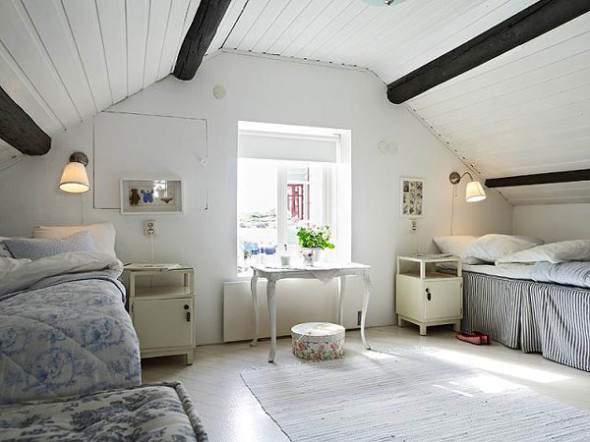 Use light prints to create a whimsical space: Look for patterned bedspreads, armchairs and drapes. These patterns add visual interests to the room in a subtle, enchanting manner.
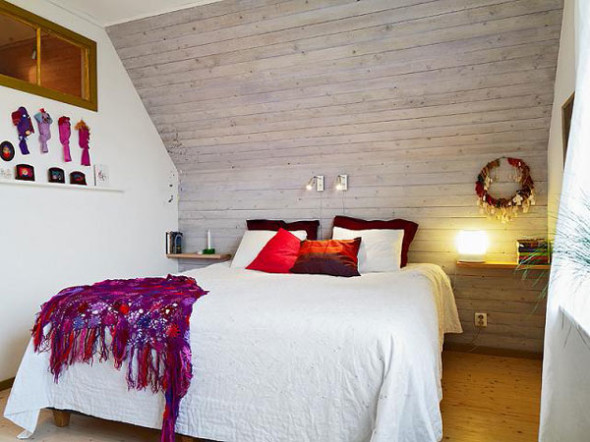 Built-in storage space: Use furniture which doubles decorative and functional. Install a window bench that doubles as drawer space or look for a bed frame with drawer space built underneath. Add seating to turn the room into a cozy getaway spot. If your attic has enough ceiling, you can draw attention to this height with a canopy bed.
 Lets Live Impressive!!
Frequently Asked Questions
How do you make an attic bedroom feel bigger?
Use light, cohesive paint, low-profile furniture under the eaves, skylights for natural light, and built-in storage to keep the floor clear.
What furniture works best under sloped ceilings?
Low beds, built-ins and short dressers placed where the ceiling is lowest, leaving the full-height zone for standing and walkways.
Do attic bedrooms need special windows?
Skylights or dormer windows are ideal for light and air, and many areas legally require a safe egress window for a room to count as a bedroom.
How do you keep an attic bedroom comfortable year-round?
Good insulation and ventilation are essential, since attics gain and lose heat fastest; ceiling fans or a mini-split help regulate temperature.
Keep styling your space
Categories:Home & Decor
Share:
Related Posts

Comments (0)
No comments yet. Be the first to comment!