
Creative Footstool Collection

✨ Updated July 2026 — reviewed for accuracy and freshness.
A footstool looks like a small decision until you live with the wrong one, and then it is the piece you keep nudging out of the way. What separates a stool you actually put your feet on from a decorative lump is height relative to your seat, upholstery that shrugs off shoes, and knowing whether you want the version that opens up for storage. Here is how to read those things before you fall for a shape.
Key Takeaways
- Height rules — the stool should sit level with your compressed seat cushion or slightly lower.
- Upholstery takes abuse — tight weaves and leather outlast loose boucle where heels land.
- Storage lids need support — pick a hinge that holds the lid open so it cannot drop on fingers.
- As a coffee table — match the sofa seat height and keep the top firm, with a rigid tray.
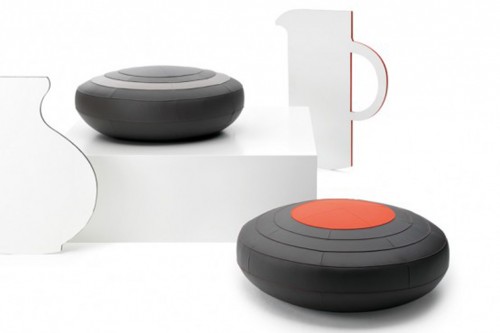 Creative enough? This comfortable rooster footstool will compliment both indoor and outdoor settings.
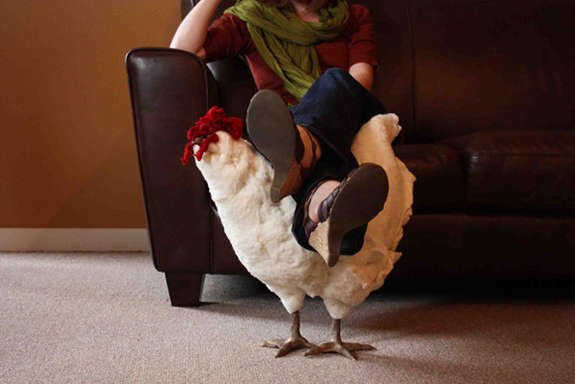 Cute designs for kids, they can play with these functional pieces and also can use them as seating. Link
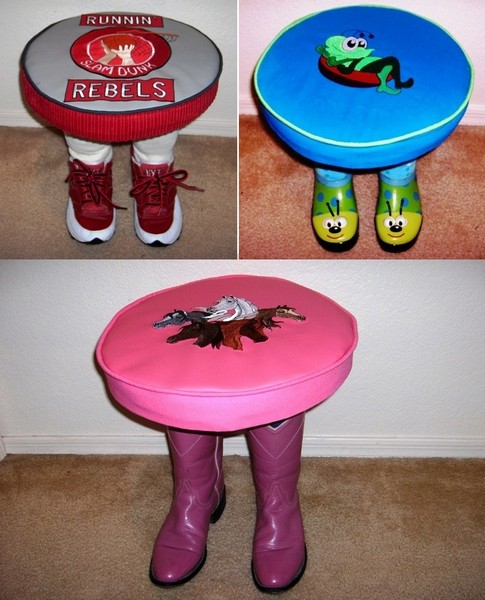 Dog-shaped footstool, by Ko Verzuu for ADO
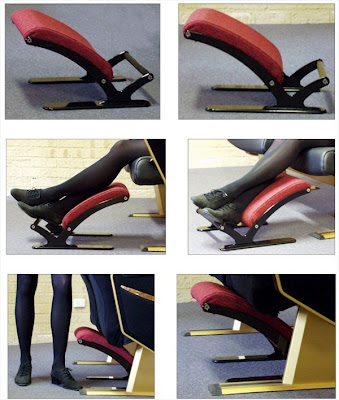
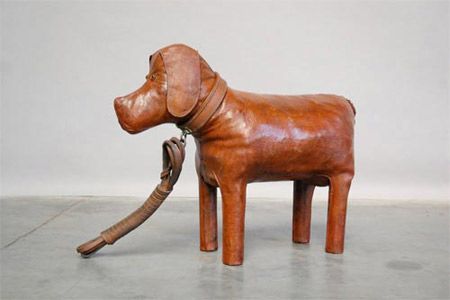 This is dream for any working person, comfort right at your steps while you are tired of day's work.
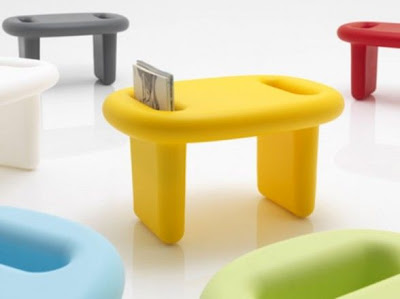
 Footstool with a pocket to make storage easy.
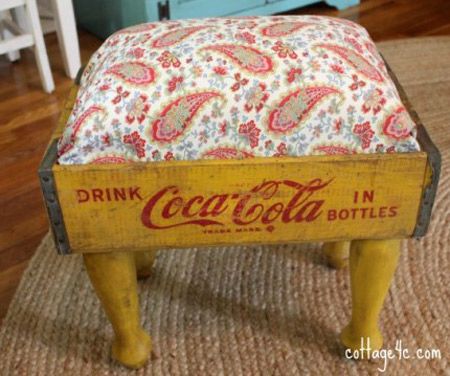
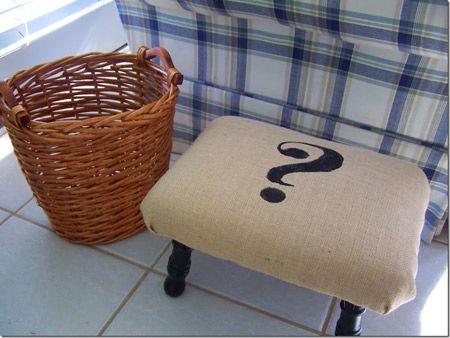
 Creative way of using an old crate/sack and put in good use.
How to Choose a Footstool or Ottoman That Earns Its Space
Start with height, because it decides whether the stool feels restful or awkward. Aim for a top surface level with the front edge of your seat cushion or an inch or two below it, which for most lounge chairs and sofas lands somewhere between 15 and 18 inches. Measure the cushion while you are sitting on it rather than trusting the empty chair, since a soft cushion gives up an inch or more under your weight. Too tall and your knees lock straight and your heels take all the pressure; too short and your thighs hang unsupported, which is the version people quietly stop using.
Then think about what the surface has to survive. A footstool absorbs more contact than almost anything else in a room: shoes, heels, a knee when someone climbs over it, a dog who has decided it is his. Tight weaves in wool, heavy cotton canvas, a performance polyester, or full-grain leather all cope well. Loose open weaves and fluffy boucle look wonderful and snag on the first heel. If the maker publishes an abrasion rating in double rubs, lean toward the heavier end of the range, and check whether the cover is removable and washable, because that single feature adds years to a light-colored piece.
Storage versions are genuinely useful, with two cautions. Measure the interior, not the outside, because a thickly padded shell can swallow four inches of usable depth, and think about what you will really keep in there: blankets and games, yes, damp shoes or anything that needs airflow, no. On the hardware side, choose a lid with a stay or soft-close hinge that holds itself open. A heavy unsupported lid falling shut on a child's fingers is a common household injury, and it is entirely designed out by better hardware. Do not treat a latching lid as a toy box.
Using one as a coffee table works beautifully if you respect a few proportions. Keep the top roughly level with the sofa seat, give or take an inch or two, and aim for about two-thirds the sofa's length so it reads as deliberate rather than undersized. Leave roughly 16 to 18 inches between the sofa edge and the ottoman so legs and feet can pass, and about 30 inches of walking room on the open sides. Add a firm tray for drinks, pick a tight top rather than a pillowy one, and confirm the manufacturer's weight rating before anyone treats it as extra seating.
Frequently Asked Questions
What is the right height for a footstool?
Match the top of the stool to the front edge of your seat cushion once you are sitting on it, or go an inch or two lower. For most chairs and sofas that works out around 15 to 18 inches. Anything taller straightens your knees and puts pressure on your heels instead of supporting your calves.
Is an ottoman comfortable enough to use as a coffee table?
Yes, as long as the top is firm rather than puffy and you keep a rigid tray on it for glasses and mugs. Upholstered tops are also more forgiving than wood or glass in a room with toddlers. The trade-off is spills, so favor a removable cover or a treated performance fabric.
How do I keep a fabric footstool from looking worn?
Choose a tight weave with a high abrasion rating, and rotate the stool a quarter turn every few weeks so one face does not take every heel. Vacuum the top with a brush attachment to lift crushed pile, and blot spills instead of rubbing them in. A removable, washable cover is the single best insurance on a pale fabric.
Can you sit on a storage ottoman?
Only if the manufacturer rates it for seating, since a hollow box with a hinged lid is built very differently from a solid frame. Look for a lid that sits in a rim rather than resting on thin edges, and internal corner blocks. If no weight rating is listed, treat it as a footrest and a storage box, not a spare chair.
What is the difference between a footstool, an ottoman, and a pouf?
A footstool is small and usually legged, meant purely for feet. An ottoman is larger, often the same width as a chair or a good portion of a sofa, and frequently includes storage or doubles as a table. A pouf is soft and unframed, light enough for a child to drag around, and comfortable underfoot but too unstable to hold a drink.
Related Posts
Creative Vases
Which vase shape suits which stems: narrow necks for single blooms, wide mouths for garden bunches, plus keeping water fresh and glass clear.
Must Have Garden Tools
Napkin Rings for Impressive Place Setting
Poppins Potential - 6 Things to Keep in Mind When Becoming a Nanny
What Should You Choose as Your Next Home?
Comments (0)
No comments yet. Be the first to comment!