
Creative Vases

✨ Updated July 2026 — reviewed for accuracy and freshness.
A vase is a piece of engineering as much as a piece of decor, and its opening decides what will actually stand up in it. Below the gallery we look at four common shapes and the stems each one holds well, then cover the unglamorous half of the job: water changes, trimming, and getting the cloudy film off the inside of glass.
Key Takeaways
- Narrow necks hold single stems — one bloom or slim branch stays upright with no support.
- Wide mouths suit garden bunches — loose mixed stems fan out and keep their own shape.
- Cylinders carry branches — straight sides steady tall woody stems that topple elsewhere.
- Fresh water does the real work — change it every day or two and recut the stem ends.
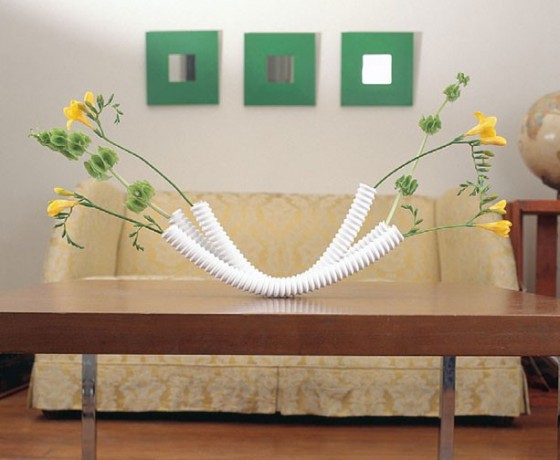
 Curved vases are not so ordinarily available but follow the tutorial and you can make this modern macroni vase at home. Link
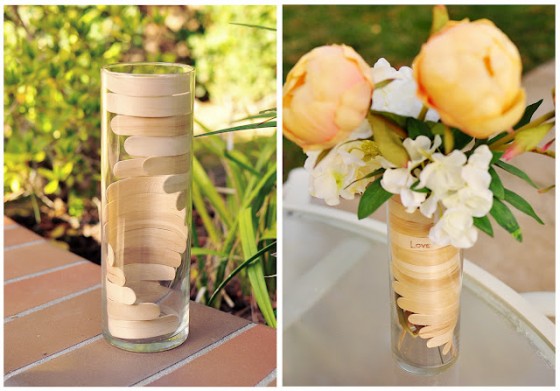
 Creative way to use pop- sickle sticks and look delightful. Link
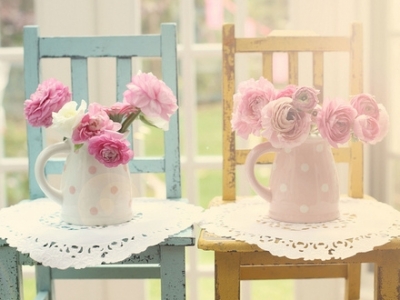
 Simplest way to arrange flowers on a windowsill. Link
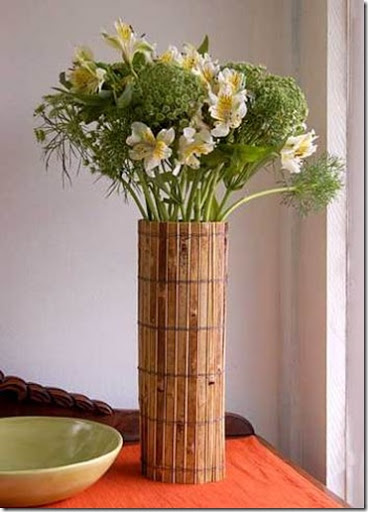
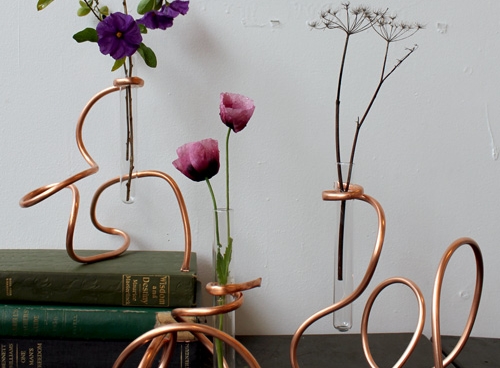 Innovative way to reuse old natural-fiber place mat around a cylindrical vase. Link
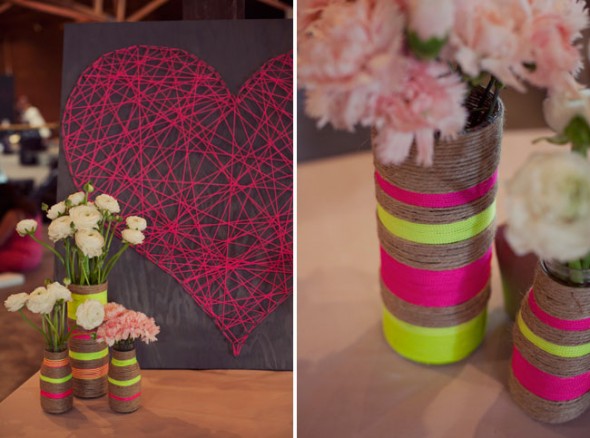
 Super easy and inexpensive fun vases to use for any wedding or party arrangement. Link
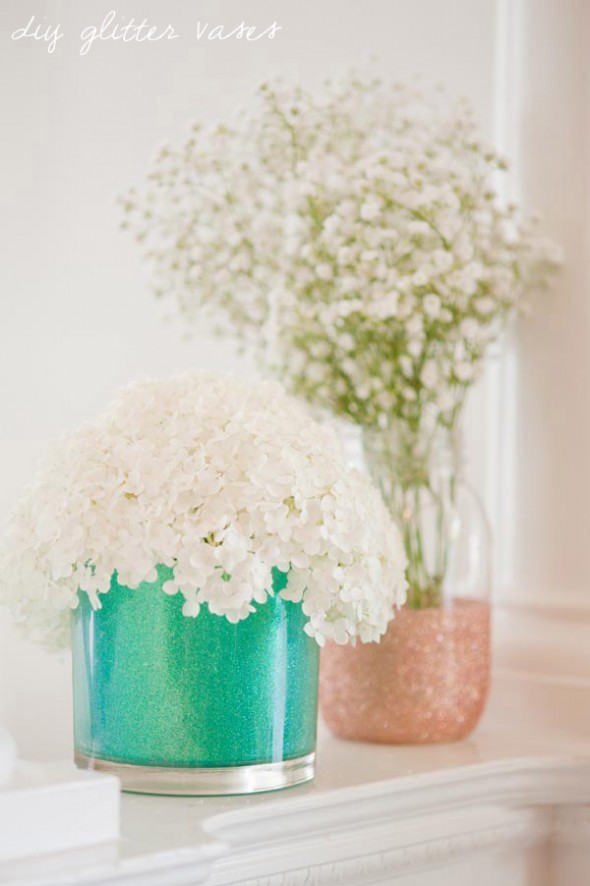
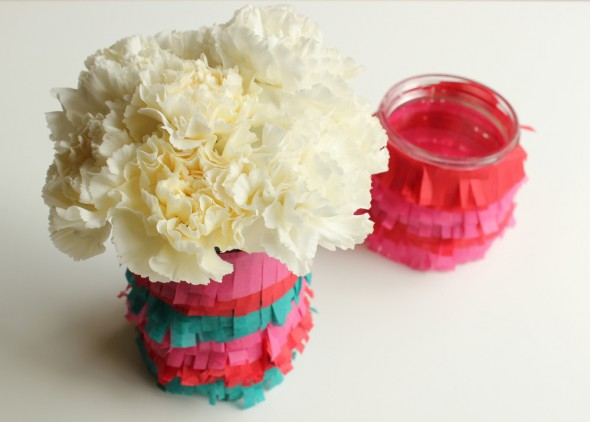
 Touch of sparkle or frill to mason jars can make beautiful centerpieces for any special dining occasions. Link
 Sculptural pieces look dramatic and never go out of style. Link
 Genius piece of hourglass shaped-savvy plastic can be turned into pretty vases. Link
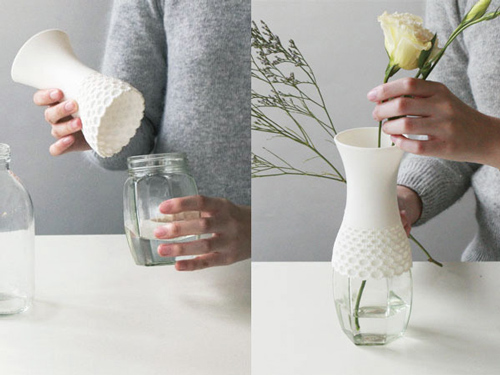
Matching the Vase Shape to the Stems
Before colour or finish, look at the opening. The width of the mouth relative to the body is what holds stems in position, and it is the reason a supermarket bunch that looked lovely in the shop wrapper collapses into a ring the moment it hits a wide bowl. Four shapes cover most of what you will ever need.
A narrow neck is a natural stem-holder. Anything with a mouth of roughly an inch or two will grip one to three stems and keep them vertical, which makes it the right home for a single peony, a stem of ranunculus, or one branch of blossom. Bud vases work the same way at small scale, and they look best in groups rather than alone: three or five in mixed heights on a small tray or along a windowsill reads as a considered arrangement, where one lonely bud vase reads as leftovers.
A wide mouth is for loose, informal garden bunches with plenty of foliage — the stems lean on each other and on the rim, and the arrangement spreads sideways the way it wants to. If the bunch is thin, give it something to sit in: a grid of clear tape across the mouth, or a loose ball of chicken wire tucked inside, both invisible once the foliage fills in. A straight-sided cylinder does a different job again. Because the walls do not taper, they support tall structural stems from base to rim, which suits magnolia, willow, curly hazel, eucalyptus, or a few architectural leaves. Add a handful of clean pebbles for ballast if the branches are top-heavy.
Water care matters more than any of it. Strip every leaf that will sit below the waterline, because submerged foliage rots quickly and is the main reason water turns cloudy and starts to smell. Fill soft stems two-thirds deep and woody stems only a few inches, then change the water every one to two days, recutting about half an inch off each stem at an angle when you do. Stems seal over and stop drinking, so the recut is not optional busywork.
Wash a vase with warm soapy water as soon as it is empty rather than leaving it to dry out. For the chalky ring inside glass, fill with a solution of white vinegar and warm water and leave it an hour, then swirl a spoon of coarse salt or uncooked rice to scrub necks a brush cannot reach. Rinse, drain upside down, then store upright so no damp is trapped inside.
Frequently Asked Questions
What kind of vase is best for a single flower?
A vase with a narrow neck, roughly an inch or two across, will hold one stem upright without any extra support. Bud vases are made for exactly this, and they look far better grouped in threes or fives at different heights than standing on their own.
How do I stop flowers from flopping in a wide vase?
Give the stems something to brace against. A grid of clear tape stretched across the mouth or a loose ball of chicken wire tucked inside both hold stems where you place them and disappear once foliage fills in.
How often should I change the water in a flower vase?
Every one to two days is a good rhythm, and sooner if the water looks cloudy. Trim about half an inch off each stem at an angle when you refill, because cut ends seal over and stop taking up water.
Why does my vase water smell bad so quickly?
Almost always because leaves are sitting below the waterline and rotting. Strip all foliage from the submerged part of the stem before arranging, and rinse the vase properly between bunches rather than topping up old water.
How do you clean the cloudy film inside a narrow vase?
Fill it with warm water and white vinegar and leave it for an hour to loosen the mineral deposit. Then add a spoonful of coarse salt or uncooked rice and swirl it hard, which scours the parts of the neck no brush can reach.
Related Posts
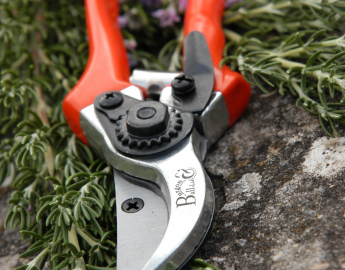
Must Have Garden Tools
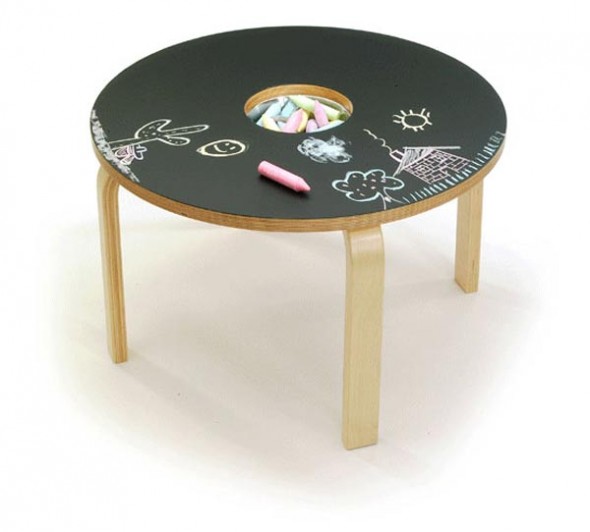
Creative Kids Table
Kids table and chair heights by age, surfaces that survive glue and juice, and how to set one work station up for both craft sessions and everyday meals.

Spring Inspired Window Displays
Janitorial Supplies and Equipment - Getting More Value for Your Dollars
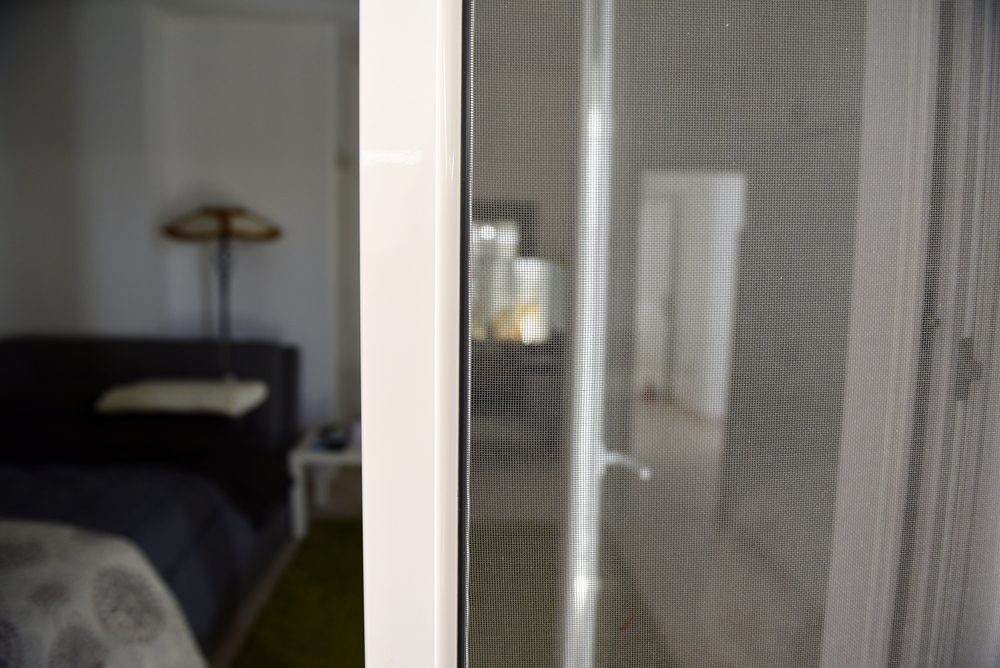
9 Benefits of Having Fly Screens in the Home
Comments (0)
No comments yet. Be the first to comment!