
The Ultimate Guide to Minimalist Living Room Designs: Creating Your Perfect Clean Space in 2025

Okay, let's be real – if you're drowning in stuff and your living room looks like a tornado hit it, you've probably thought about going minimalist. And honestly? You're onto something major. Minimalist living room designs aren't just Instagram-pretty (though they totally are); they're about creating a space that actually makes sense for how you live. Think clean lines, zero clutter, and that "ahh" feeling when you walk through the door. Ready to ditch the chaos and embrace the calm? Let's dive into everything you need to know about creating the perfect minimalist living room that'll have your friends asking for your secret.
What Is Minimalist Living Room Design?
Minimalist living room design is all about the "less is more" philosophy. It's a design style that focuses on simplicity, functionality, and creating open, breathing spaces. Instead of cramming every corner with furniture and decorations, minimalist design emphasizes clean lines, neutral color palettes, and carefully chosen pieces that serve multiple purposes.
The core principles of minimalist interior design include:
- Simplicity: Every item in the room should have a purpose
- Clean lines: Furniture and decor feature straight edges and geometric shapes
- Neutral colors: White, beige, gray, and natural tones dominate the palette
- Open space: Room to breathe and move freely
- Quality over quantity: Fewer, better-made pieces
- Natural light: Maximizing brightness and openness
This design approach originated from Japanese aesthetics and Scandinavian design principles, emphasizing the beauty of empty space and the importance of every chosen element.
Why Choose Minimalist Living Room Designs?
Mental Health Benefits
Living in a minimalist space can significantly improve your mental well-being. Clutter-free environments reduce stress, improve focus, and create a sense of calm. When your living room has clean lines and organized spaces, your mind feels clearer too.
Easy Maintenance
With fewer items to clean around and organize, maintaining a minimalist living room becomes effortless. You'll spend less time tidying up and more time enjoying your space.
Cost-Effective Approach
Minimalist design encourages buying fewer, higher-quality pieces. While you might spend more upfront on a well-made sofa or coffee table, you'll save money by not constantly buying decorative items and accessories.
Timeless Appeal
Minimalist living room ideas never go out of style. Unlike trendy maximalist designs that might look dated in a few years, clean and simple aesthetics remain fresh and modern.
Better Functionality
Every piece in a minimalist living room serves a purpose. Storage solutions are built-in, furniture is multifunctional, and the flow of the room supports daily activities.
Essential Elements of Minimalist Living Room Design
Color Palette: The Foundation of Simplicity
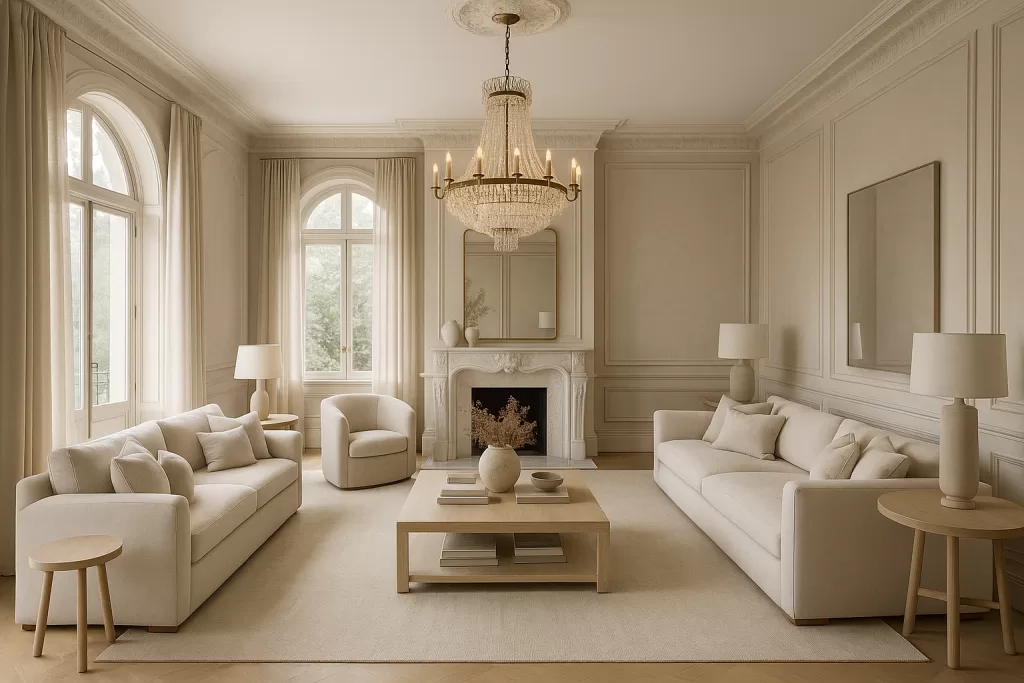
The color scheme forms the backbone of any minimalist living room. Stick to neutral tones that create a cohesive, calming environment:
Primary Colors:
- Pure white for walls and larger surfaces
- Soft gray in various shades
- Warm beige and cream tones
- Natural off-white
Accent Colors:
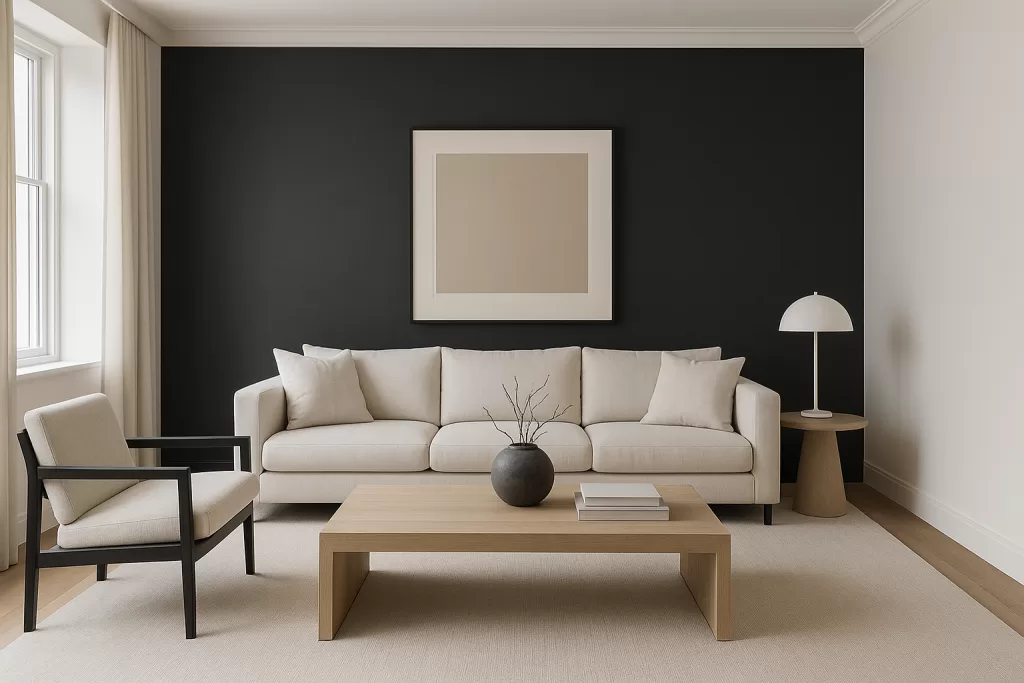
- Charcoal or deep gray for contrast
- Soft black for grounding elements
- Natural wood tones
- Muted earth tones like sage green or soft brown
Pro Tip: Use the 60-30-10 rule – 60% neutral base colors, 30% secondary neutrals, and 10% accent colors for visual interest.
Furniture Selection: Clean Lines and Functionality
Choosing the right furniture is crucial for achieving the minimalist aesthetic:
Sofa Selection:
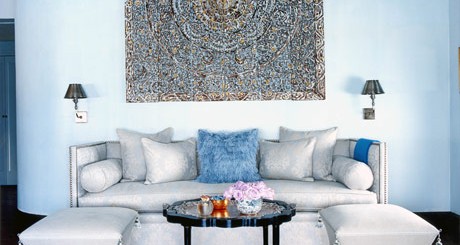
- Low-profile sectionals with clean lines
- Simple upholstery in neutral fabrics
- Avoid ornate details or busy patterns
- Consider modular pieces for flexibility
Coffee Tables:
- Sleek wood or metal designs
- Glass tops for visual lightness
- Storage options hidden underneath
- Simple geometric shapes
Storage Solutions:
- Built-in shelving when possible
- Floating shelves for books and decor
- Ottoman storage for blankets and pillows
- TV stands with closed storage compartments
Seating Options:
- Accent chairs with clean silhouettes
- Floor cushions for flexible seating
- Bench seating along walls
- Swivel chairs for functionality
Lighting: Creating Ambiance
Proper lighting enhances the minimalist aesthetic while providing functionality:
Natural Light:
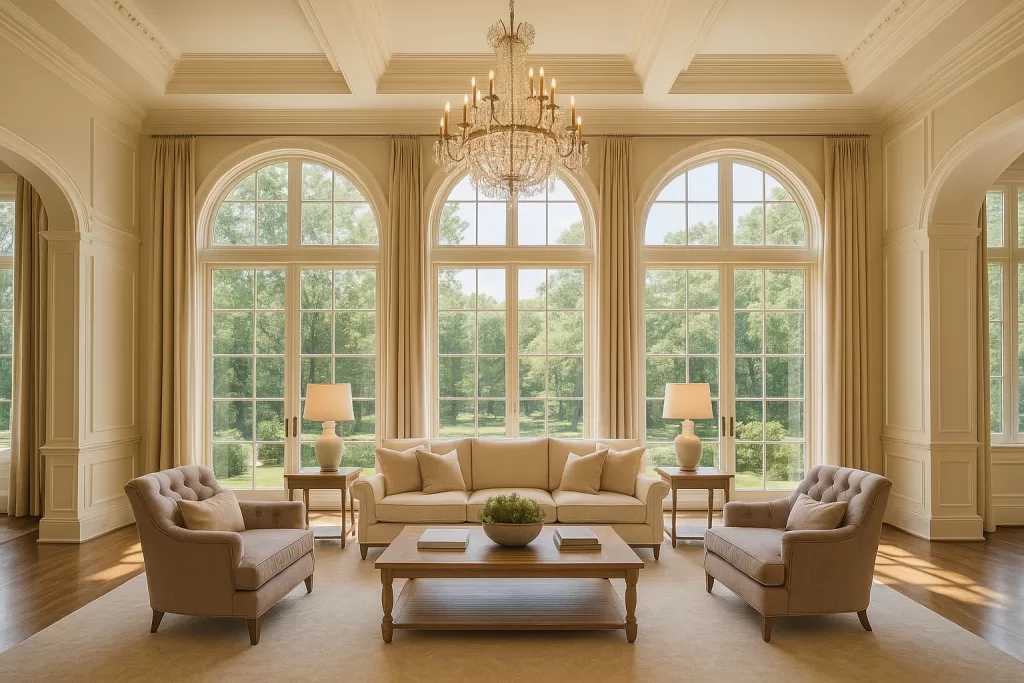
- Keep windows unobstructed
- Use sheer curtains for privacy
- Install large mirrors to reflect light
- Choose light-colored window treatments
Artificial Lighting:
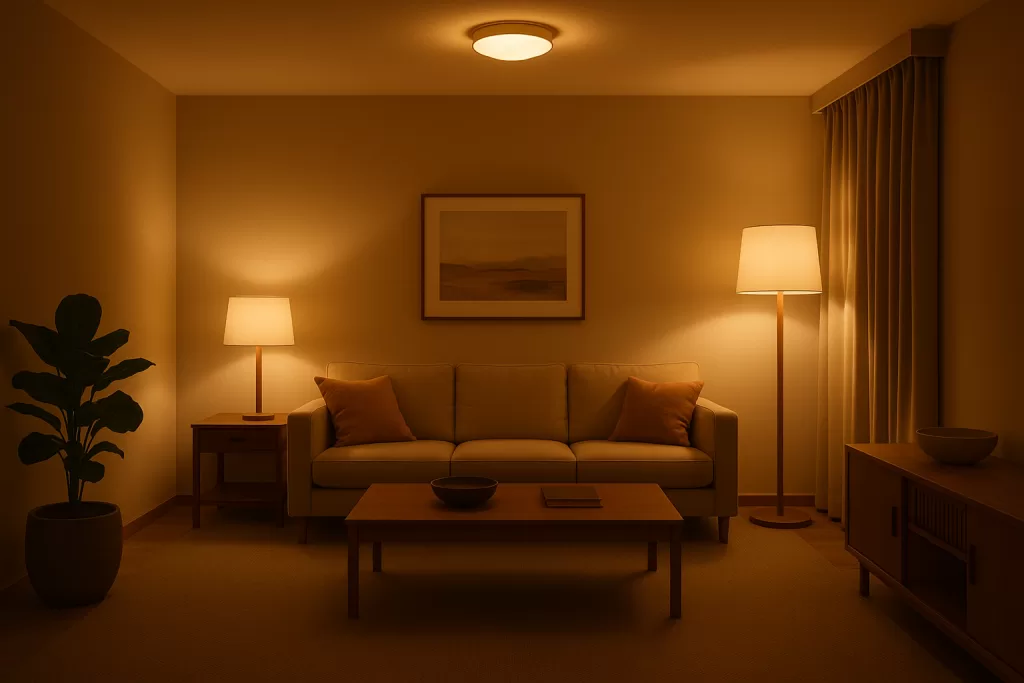
- Floor lamps with simple designs
- Pendant lights with geometric shapes
- Table lamps with clean lines
- Recessed lighting for ambient illumination
Layered Lighting Approach:
- Ambient lighting for overall illumination
- Task lighting for reading and activities
- Accent lighting to highlight features
- Dimmer switches for mood control
Room Layout and Space Planning
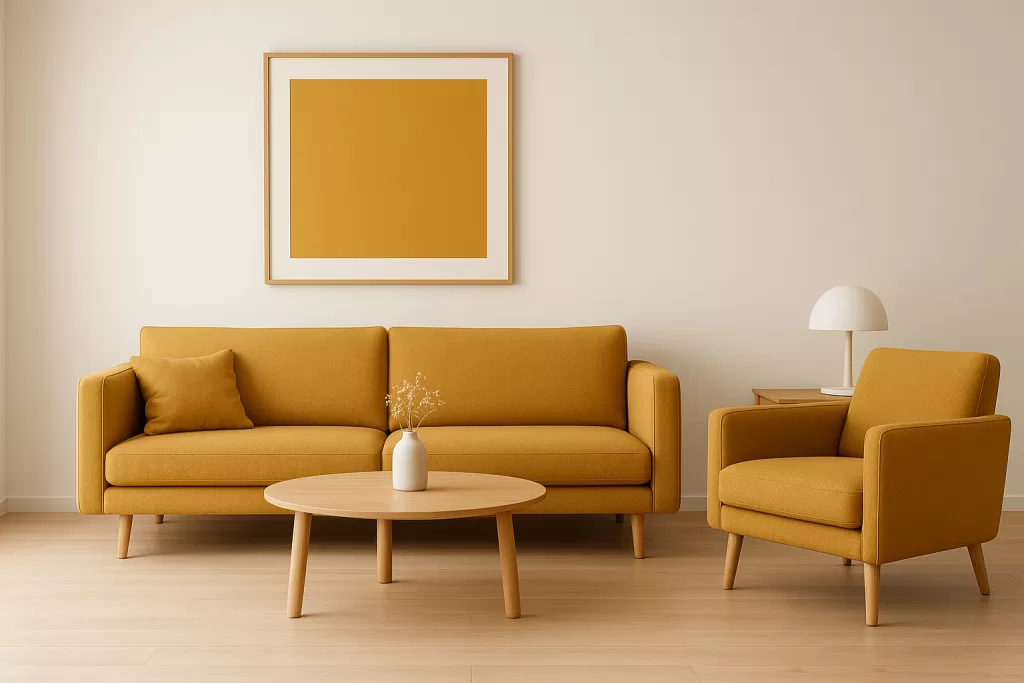
Creating Flow and Movement
A well-planned minimalist living room allows for easy movement and multiple uses:
Traffic Patterns:
- Keep pathways clear and wide
- Position furniture away from high-traffic areas
- Create conversation areas with appropriate spacing
- Ensure easy access to all seating
Furniture Arrangement:
- Use the rule of thirds for balanced placement
- Create intimate seating groups
- Leave adequate space between pieces
- Consider sight lines and focal points
Maximizing Small Spaces
Minimalist design works especially well in smaller living rooms:
Space-Saving Strategies:
- Choose furniture with legs to create visual space underneath
- Use wall-mounted shelving instead of bookcases
- Select nesting tables for flexible surface space
- Incorporate multipurpose furniture pieces
Visual Tricks:
- Paint walls and ceiling the same light color
- Use large mirrors to reflect light and space
- Choose furniture in proportion to room size
- Keep floor space visible to enhance openness
Storage Solutions for Clutter-Free Living
Hidden Storage Options
Effective storage keeps your minimalist living room organized:
Built-In Solutions:
- Custom cabinetry along walls
- Window seat storage
- Entertainment center with concealed components
- Built-in bookshelves with doors
Furniture Storage:
- Storage ottomans for extra seating and organization
- Coffee tables with drawers or compartments
- Side tables with shelving
- Bench seating with lift-up tops
Organization Systems
Daily Item Management:
- Designated spots for remote controls
- Cord management for electronics
- Baskets for quick cleanup
- Drawer organizers for small items
Seasonal Storage:
- Under-sofa storage boxes
- Closet systems for seasonal decor
- Vacuum-sealed bags for textiles
- Clear containers for easy identification
Incorporating Texture and Interest
Natural Materials
Add warmth and texture through natural elements:
Wood Elements:
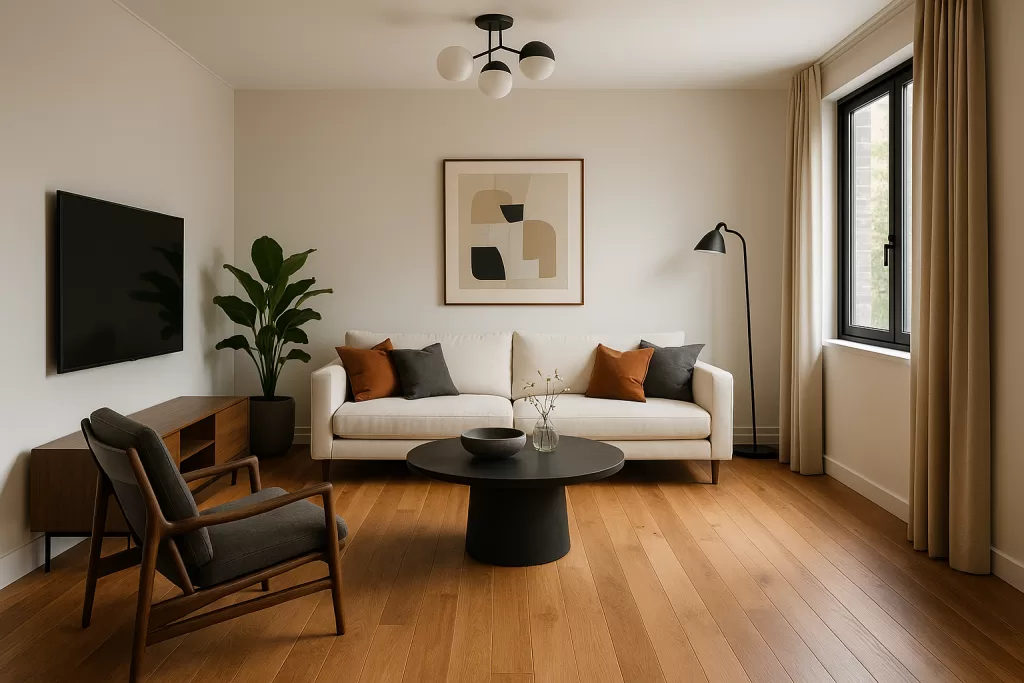
- Reclaimed wood accent walls
- Live-edge coffee tables
- Wooden picture frames
- Natural wood flooring
Stone and Metal:
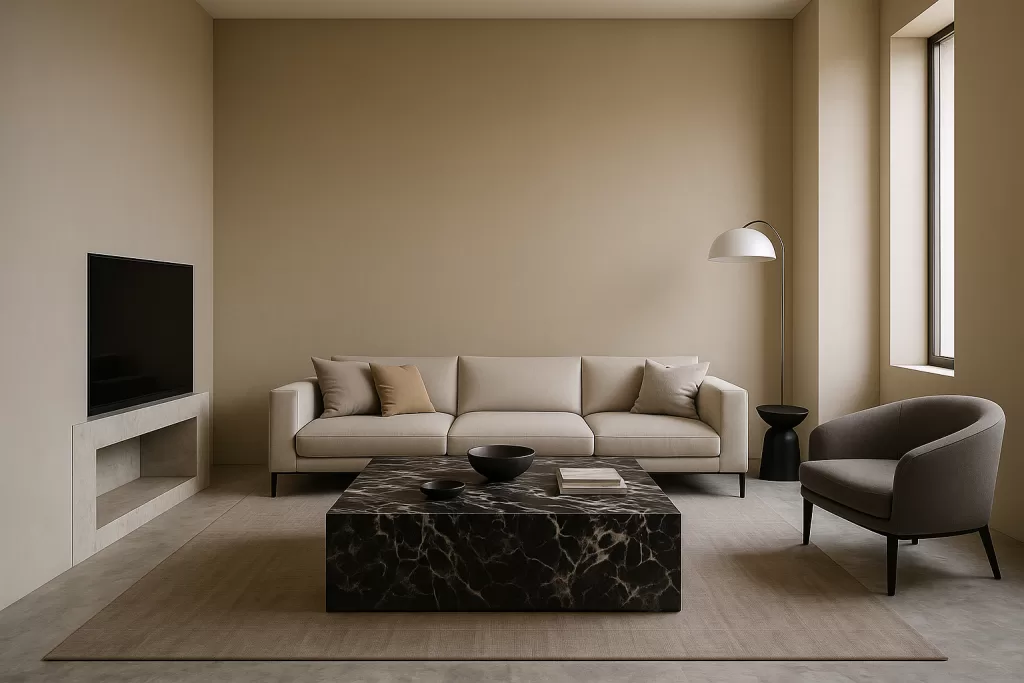
- Marble or granite surfaces
- Metal light fixtures
- Stone decorative objects
- Concrete planters
Textile Textures:
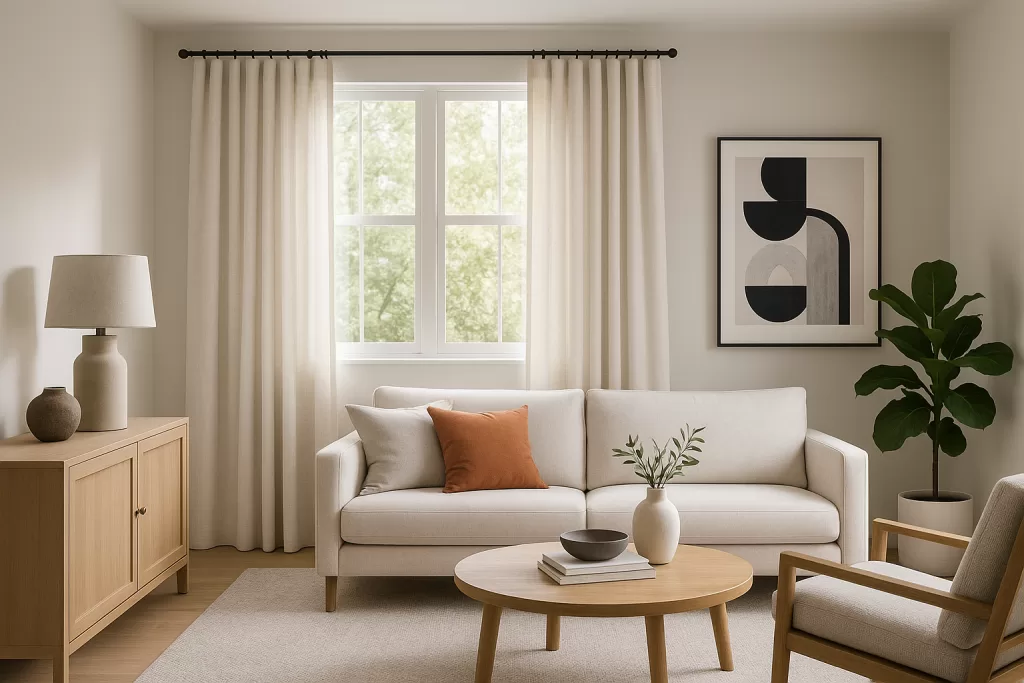
- Linen throw pillows
- Wool area rugs
- Cotton curtains
- Jute or sisal floor coverings
Artistic Elements
Wall Art:
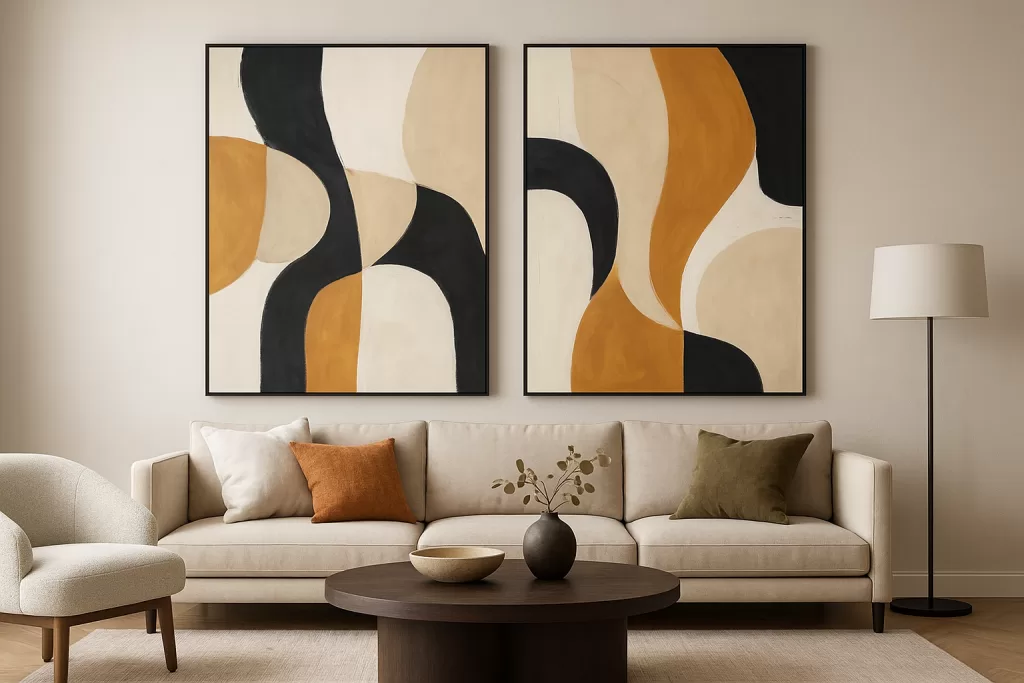
- Large-scale abstract pieces
- Black and white photography
- Simple line drawings
- Geometric prints
Sculptural Objects:
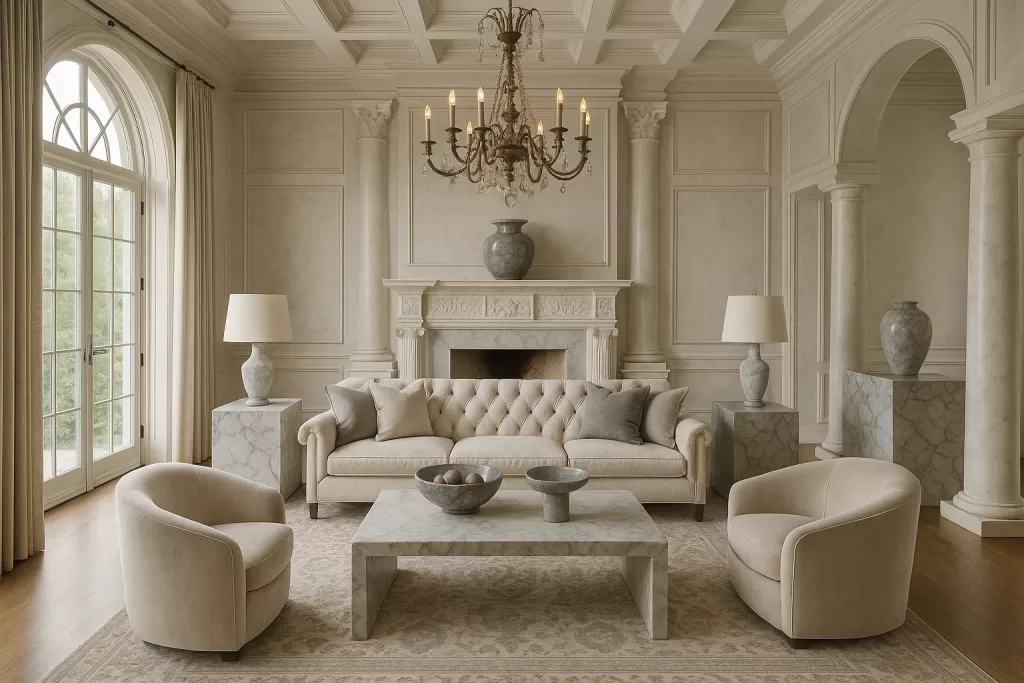
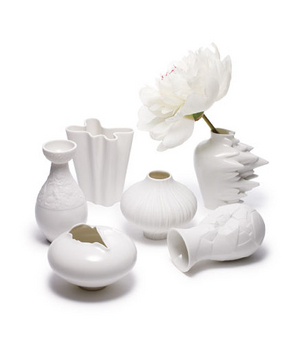
- Ceramic vases in neutral tones
- Wooden bowls and decorative objects
- Metal sculptures with clean lines
- Stone or marble accessories
Plant Integration and Biophilic Design
Choosing the Right Plants
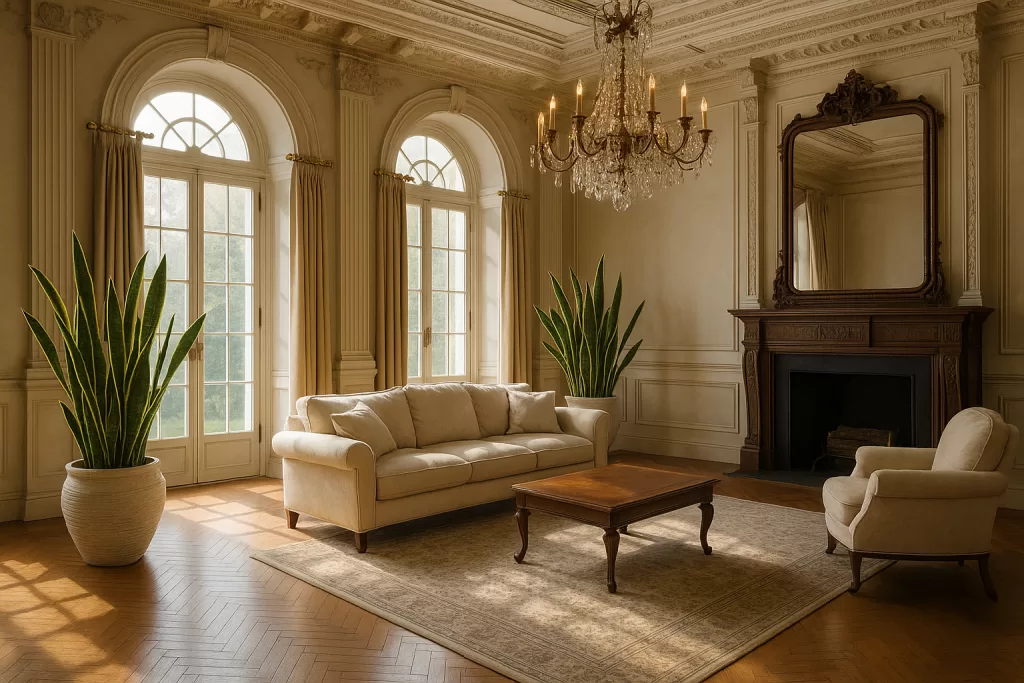
Plants add life and color to minimalist spaces:
Low-Maintenance Options:
- Snake plants for vertical interest
- Monstera deliciosa for dramatic leaves
- Peace lilies for air purification
- Rubber trees for height and presence
Display Methods:
- Simple ceramic planters in neutral colors
- Wall-mounted planters for small spaces
- Floor-standing plants in corners
- Hanging plants from ceiling hooks
Natural Light Considerations
Plant Placement:
- Near windows for optimal light
- Group plants for visual impact
- Use plant stands for varying heights
- Consider artificial plants in low-light areas
Technology Integration
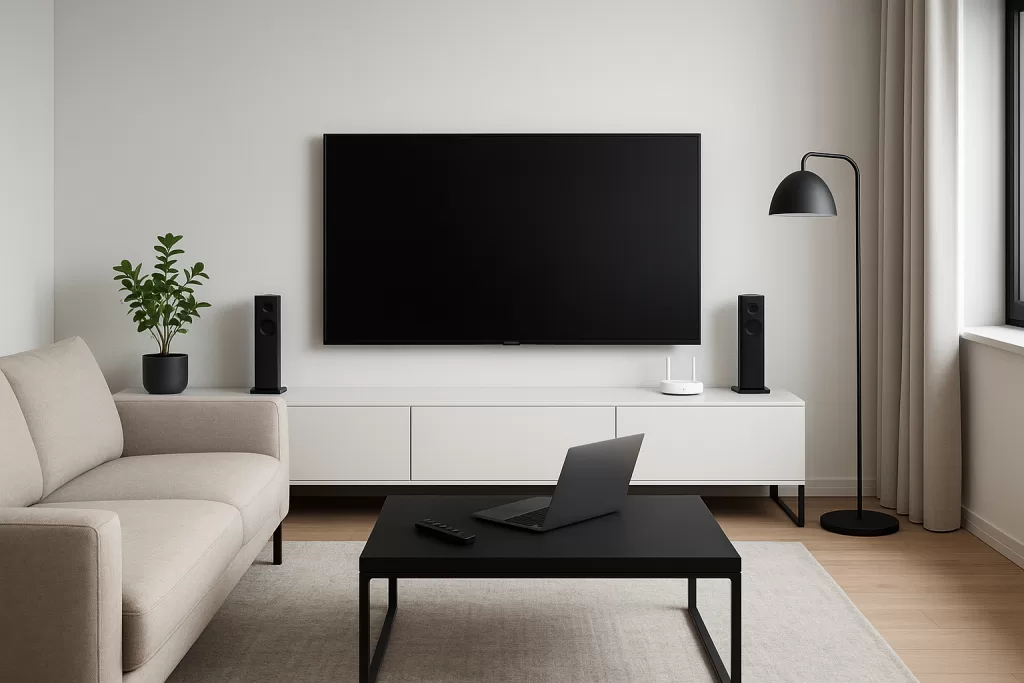
Hiding Electronics
Modern minimalist living rooms must accommodate technology while maintaining clean aesthetics:
TV Integration:
- Wall-mounted flat screens
- Projector systems for hidden entertainment
- TV stands with cord management
- Built-in entertainment centers
Audio Systems:
- Wireless speakers for clean setup
- Built-in sound systems
- Bluetooth connectivity
- Hidden subwoofers
Smart Home Features:
- Automated lighting controls
- Smart thermostats with minimal design
- Voice-controlled assistants
- Wireless charging stations built into furniture
Budget-Friendly Minimalist Design Tips
DIY Solutions
Furniture Modifications:
- Paint existing furniture in neutral colors
- Remove ornate details from traditional pieces
- Add legs to low furniture for visual lightness
- Create custom storage solutions
Decorative Projects:
- Frame simple black and white prints
- Create geometric wall art
- Make your own throw pillows in neutral fabrics
- Build floating shelves
Shopping Strategies
Investment Pieces:
- Quality sofa that will last years
- Solid wood coffee table
- Good lighting fixtures
- High-quality area rug
Budget Finds:
- Thrift store furniture to refinish
- Discount home stores for basic accessories
- Online marketplaces for gently used items
- End-of-season sales for neutral decor
Common Minimalist Design Mistakes to Avoid
Over-Simplification
Balance is Key:
- Don't remove all personality from the space
- Include some texture and visual interest
- Add warmth through materials and lighting
- Maintain comfort alongside simplicity
Ignoring Functionality
Practical Considerations:
- Ensure adequate seating for your needs
- Include sufficient storage for daily items
- Plan for different activities in the space
- Consider the needs of all household members
Poor Quality Choices
Investment Mindset:
- Choose quality over the cheapest option
- Consider longevity when purchasing
- Research brands and materials
- Read reviews before buying
Seasonal Adaptations
Winter Coziness
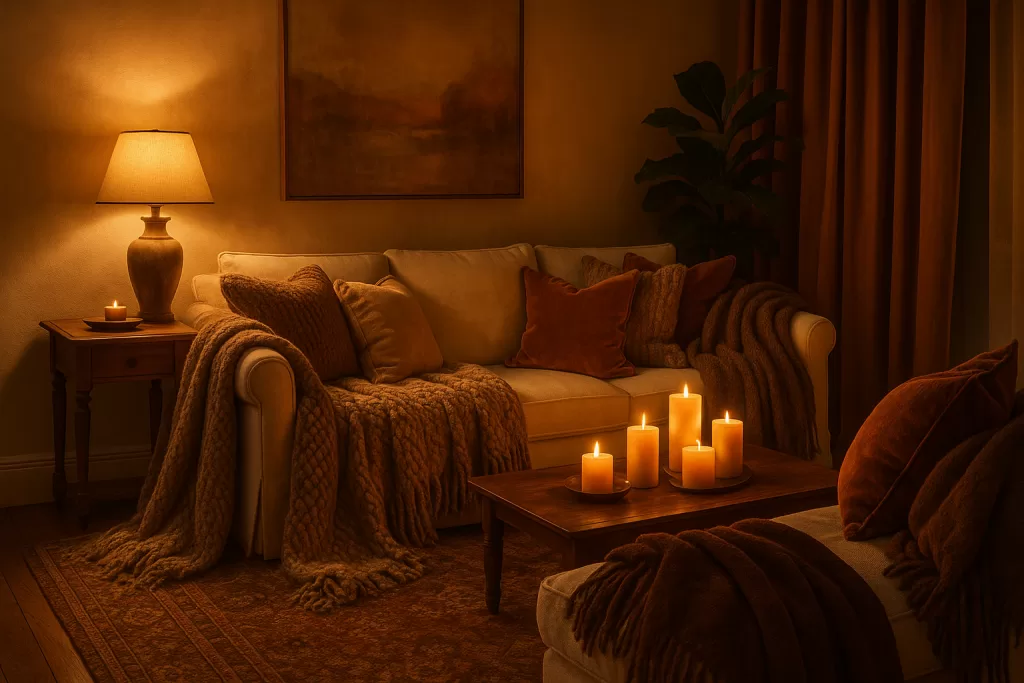
Adding Warmth:
- Layer textiles like throws and pillows
- Use warmer lighting temperatures
- Incorporate rich textures like wool and velvet
- Add candles for ambiance
Summer Freshness
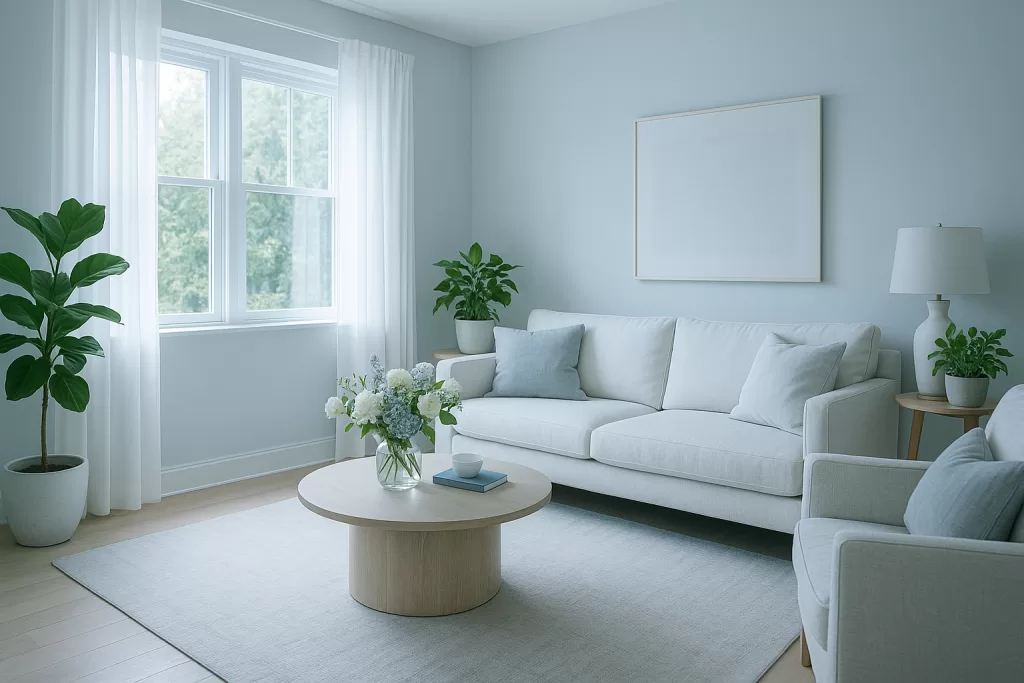
Cooling Elements:
- Switch to lighter fabrics
- Increase natural light
- Add fresh plants and flowers
- Use cooling color temperatures
Maintaining Your Minimalist Living Room
Daily Habits
Clutter Prevention:
- Return items to designated places
- Follow the "one in, one out" rule
- Do a quick tidy-up each evening
- Address messes immediately
Weekly Maintenance
Regular Tasks:
- Dust surfaces and furniture
- Vacuum or sweep floors
- Wash and rotate textiles
- Water plants and trim dead leaves
Monthly Deep Cleaning
Thorough Maintenance:
- Clean windows and mirrors
- Reorganize storage areas
- Assess and declutter as needed
- Check for needed repairs or updates
Future-Proofing Your Minimalist Design
Adaptable Elements
Flexible Furniture:
- Modular seating that can be reconfigured
- Adjustable shelving systems
- Multi-functional pieces
- Neutral pieces that work with changing styles
Timeless Choices
Long-Term Thinking:
- Classic shapes and silhouettes
- Quality construction and materials
- Neutral colors that won't date
- Pieces that can transition between homes
Creating Your Minimalist Living Room Action Plan
Assessment Phase
Current Situation:
- Evaluate your existing space and furniture
- Identify items that fit the minimalist aesthetic
- Determine what needs to be removed or replaced
- Measure your space and create a floor plan
Planning Phase
Design Development:
- Choose your color palette
- Select key furniture pieces
- Plan storage solutions
- Consider lighting needs
Implementation Phase
Step-by-Step Execution:
- Declutter completely
- Paint walls if needed
- Arrange large furniture pieces
- Add lighting
- Include textiles and accessories
- Fine-tune the arrangement
Conclusion: Your Journey to Minimalist Living
Creating a minimalist living room isn't about deprivation – it's about intention. Every piece you choose should bring you joy and serve a purpose. The clean lines, neutral colors, and open spaces create a foundation for living that's both beautiful and functional.
Remember, minimalist design is personal. Your space should reflect your lifestyle and preferences while embracing the principles of simplicity and functionality. Start with the basics – declutter, choose a neutral palette, and focus on quality pieces. As you live in your space, you'll discover what works and what doesn't, allowing you to refine your approach.
The beauty of minimalist living room design lies in its flexibility and timelessness. Whether you're starting fresh or transitioning from a more maximalist approach, take your time to create a space that truly supports how you want to live. Your minimalist living room should be a sanctuary that welcomes you home and provides the perfect backdrop for your daily life.
With these ideas and strategies, you're well-equipped to create a stunning minimalist living room that combines style, function, and serenity. The journey to simpler living starts with a single room – make it count.
Related Posts


Comments (0)
No comments yet. Be the first to comment!