
Modern Rocking Chairs

✨ Updated July 2026 — reviewed for accuracy and freshness.
Rockers and gliders feel almost identical in a showroom and behave very differently at home, because the motion, the footprint, and what they do to your floors are not the same. If you are choosing one for late-night feeding or long evenings with a book, the mechanics matter more than the silhouette. This guide looks at the runners, the clearances, and the armrests.
Key Takeaways
- Runner shape sets the feel — long flat runners glide slowly, tight curves rock fast.
- Leave clearance behind — a rocker travels backward, so keep it well off the wall.
- Gliders suit tight nurseries — the footprint stays fixed, even against a wall.
- Arm height decides comfort — arms just above the seat support your elbows while feeding.
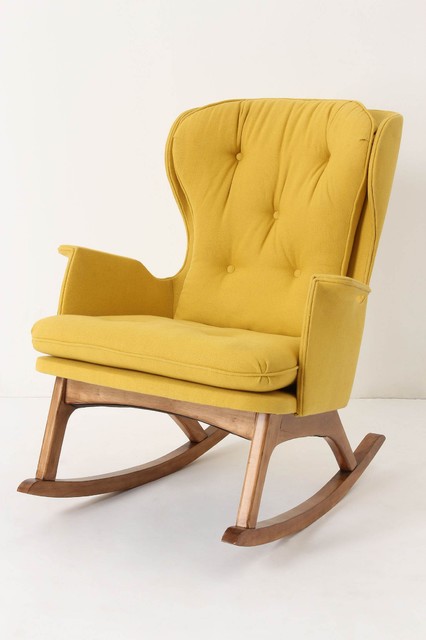 This cute cradle design can be used both indoors or outdoors. Link
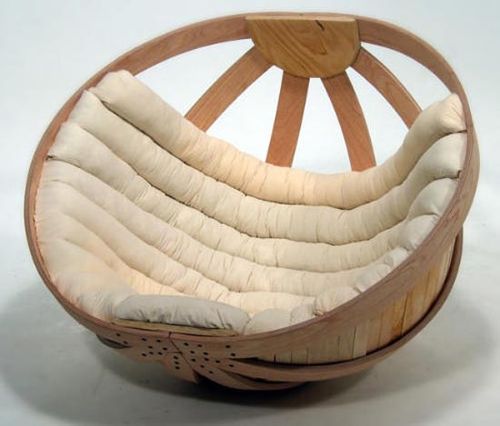 Match this rocking chair from IKEA with your favorite cushions to add a trendy look to your living area. Link
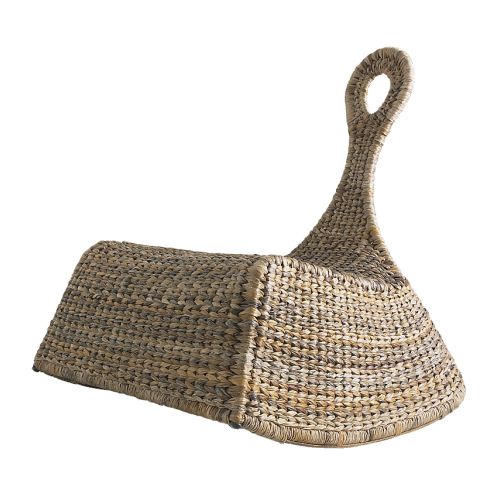 I loved this design! Relax together on this comfortable rocking chair for two. Link
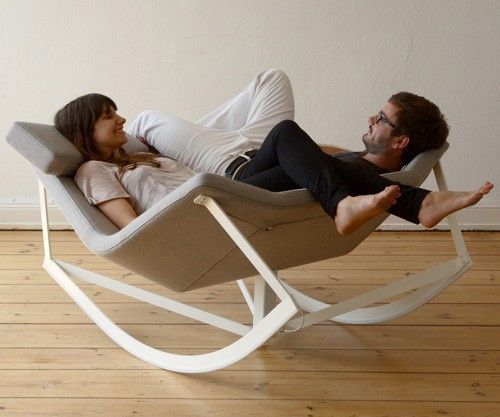 Design by Constance Guisset, this rocking chair from SOL adds color and vibrancy to the room. Link
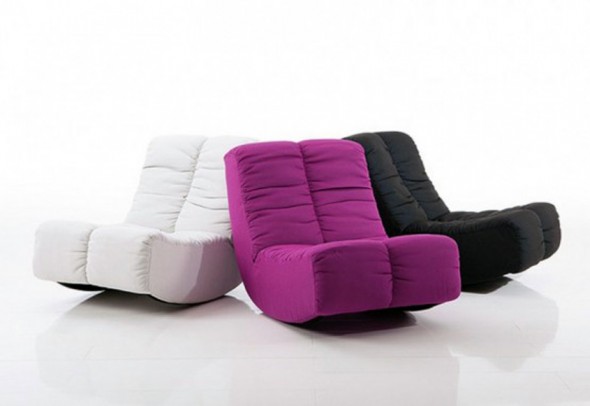
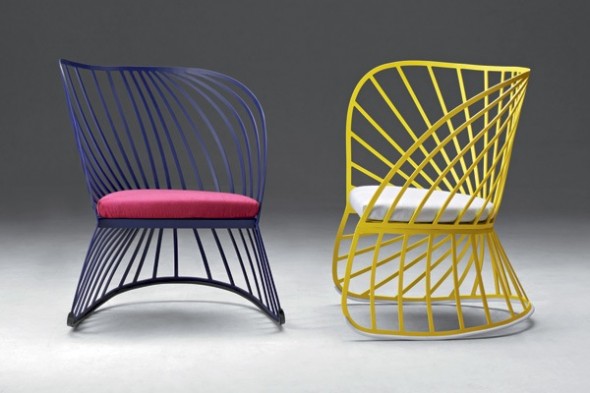 These funky rocking chairs are very striking, creative and luxurious. Link
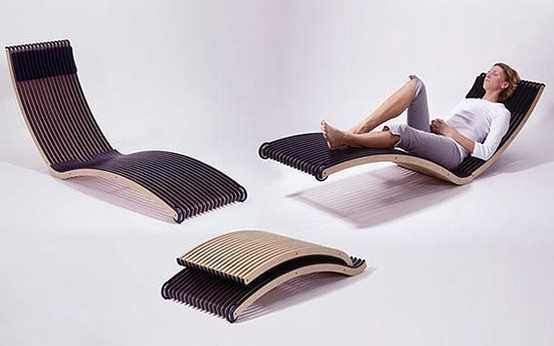
 Now you can carry the style and comfort of rocking chair anywhere with this convertible chair. Link
Rocking and Gliding Mechanics, and What They Mean at Home
The runners under a rocking chair are the whole personality of the piece. A long runner with a shallow, flat curve produces a slow, wide, unhurried motion that is easy to keep going with one foot and easy to sit still in. A short runner with a tight radius tips quickly, gives a faster and shorter arc, and can feel restless if you plan to sit for an hour. Check where the runners end relative to the backrest, too: a chair whose runners stop short at the back can feel like it wants to keep going when you lean, which is unsettling in the dark at three in the morning.
A rocker also needs air behind it. As you lean back, the whole chair travels rearward, so allow generous clearance from the wall, baseboard, and any radiator or window trim, and expect to need more than the chair's footprint suggests. Push the chair back through a full arc before you settle on a spot. Gliders and swivel gliders move on a fixed mechanism instead, so their floor footprint never changes, which is why they win in small nurseries and against a wall. The trade-off is the mechanism itself: glider bases have pinch points that can catch small fingers and toes, so look for an enclosed base and a locking feature, and keep crawling children clear while the chair is in motion.
Floors deserve a moment of thought. Hard wooden runners on hardwood or vinyl will burnish a track over time and can pick up grit that acts like sandpaper, so add felt strips along the runner faces and check them for embedded debris every few months. Rockers are happiest on a hard floor or a low-pile rug; a thick shag will fight the motion and a soft rug can hold the chair at an angle. Deep carpet is one situation where a glider makes life much easier.
Finally, sit in it the way you intend to use it. For feeding, you want arms only a few inches above the compressed seat cushion so your elbows rest naturally while supporting a baby, since arms set too high push your shoulders toward your ears and arms set too low leave you propping yourself on a pillow. A back tall enough to support your head matters more than it sounds when you are nodding off. For reading in a living room, a slightly firmer seat, a shallower recline, and a side table at armrest height do more for comfort than extra padding.
Frequently Asked Questions
How much space does a rocking chair need behind it?
More than the chair's footprint, because the frame travels backward through the arc as you lean. Set it well clear of the wall, baseboard heaters, and window trim, and test the full range of motion before choosing a permanent spot. Gliders are the better answer when you cannot spare that clearance.
Is a glider better than a rocker for a nursery?
A glider keeps a constant footprint and moves smoothly on a fixed track, which suits small rooms and positions against a wall. A rocker is simpler mechanically with nothing to wear out or pinch. If you choose a glider, look for an enclosed base and a lock, and keep small fingers and toes away from the moving parts.
Will a rocking chair damage hardwood floors?
It can, over time, as the runners burnish a track and trap grit that grinds against the finish. Felt strips along the runner faces prevent most of this, provided you check them periodically for embedded debris. A low-pile rug under the chair also works, as long as it is not so thick that it fights the motion.
What arm height works best for feeding a baby?
Arms sitting a few inches above the compressed seat cushion let your elbows rest while you support a baby, which is the position you want at two in the morning. Arms that are too high lift your shoulders; too low and you end up stacking cushions. Sit in the chair holding a bag of similar weight before deciding.
Do rocking chairs work on carpet?
On low-pile carpet, yes, though the motion is slower and takes a little more effort. Thick or plush carpet resists the runners and can tilt the chair, which makes rocking feel like work. In a heavily carpeted room, a glider or a swivel glider delivers the same soothing motion without fighting the floor.
Related Posts



Comments (0)
No comments yet. Be the first to comment!